

Advanced Stage Creosote
The Silent Threat in Your Chimney: Understanding and Combating Advanced Stage Creosote Glazing
The Silent Threat in Your Chimney: Understanding and Combating Advanced Stage Creosote Glazing
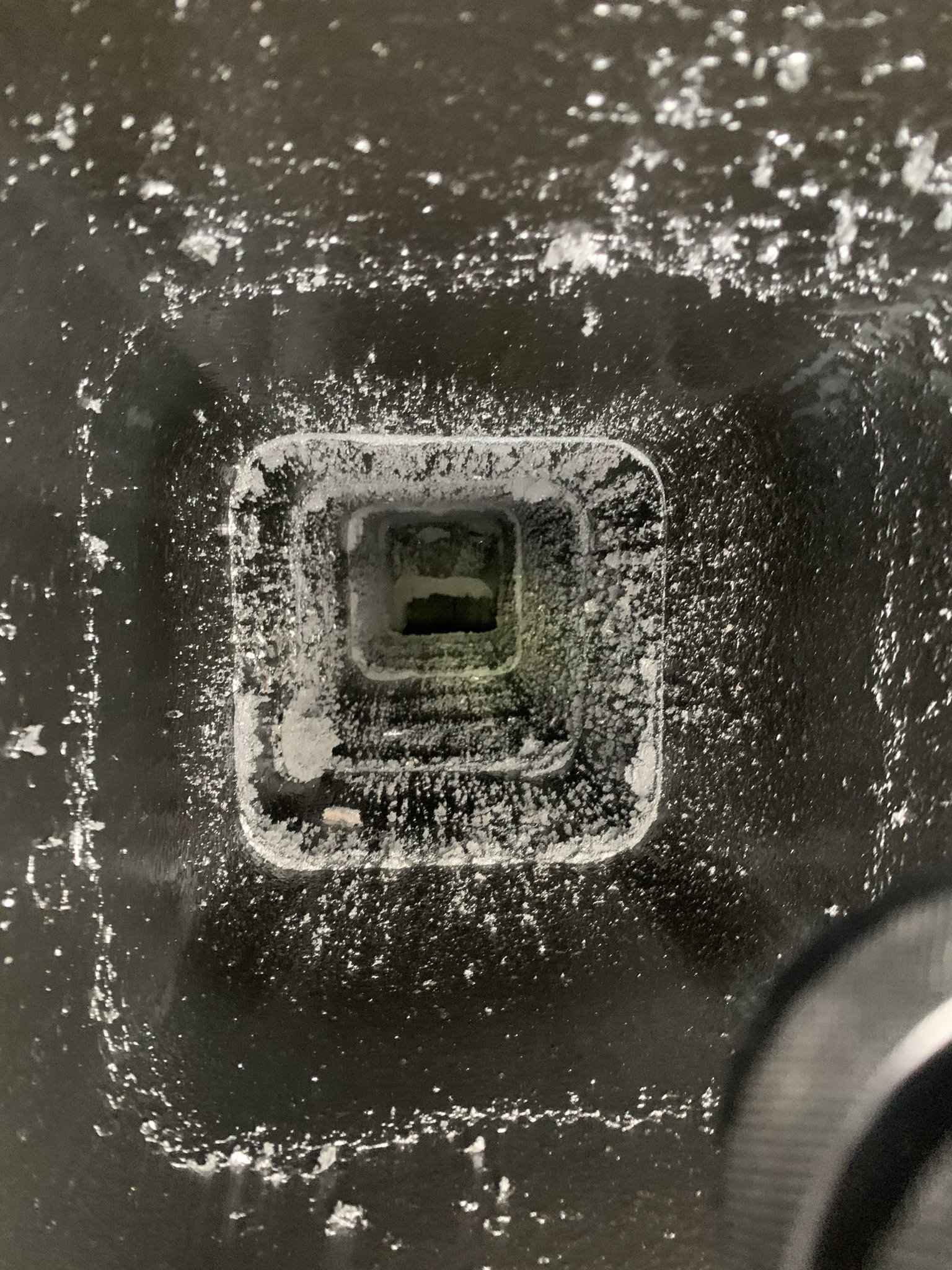
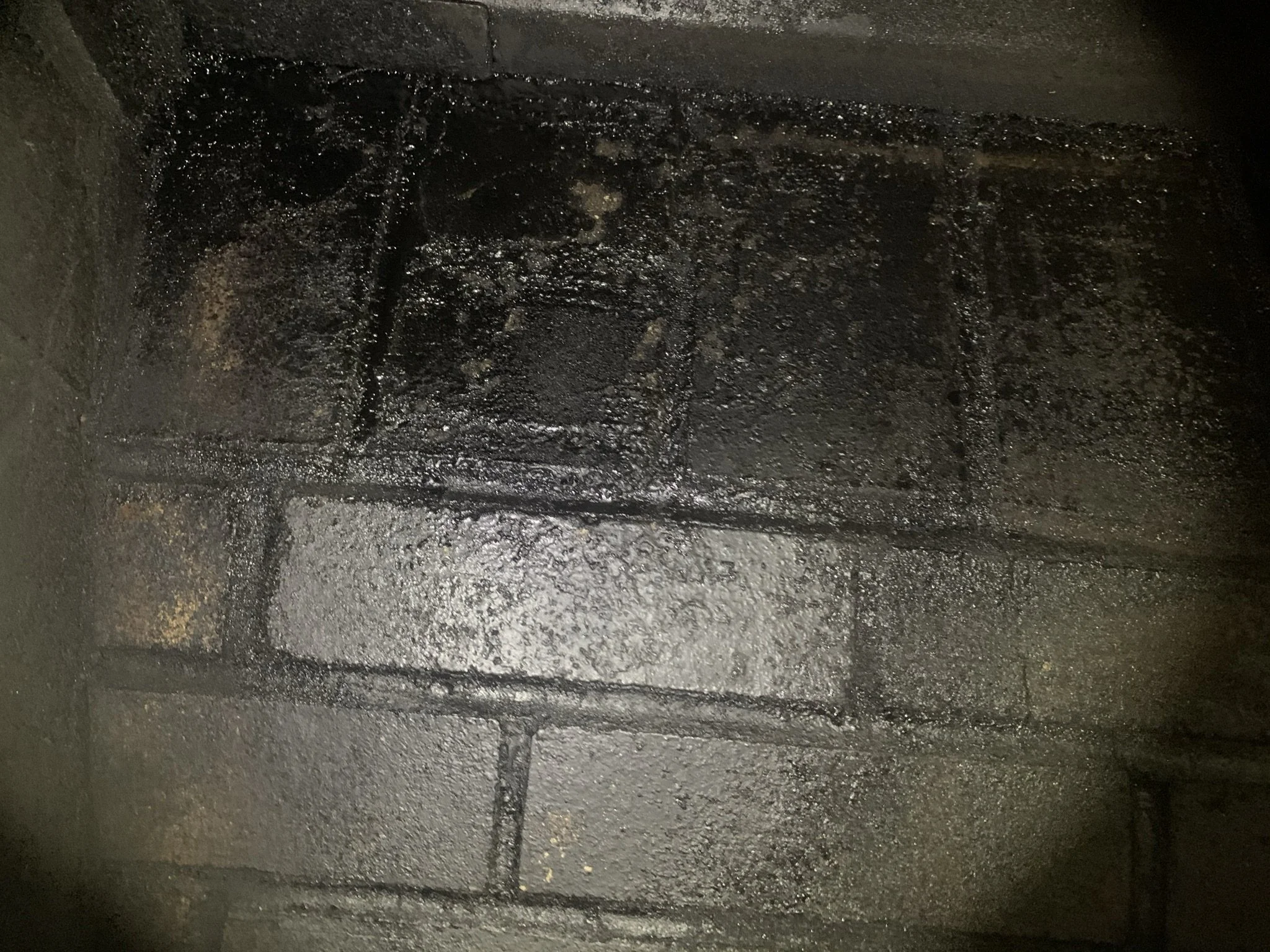
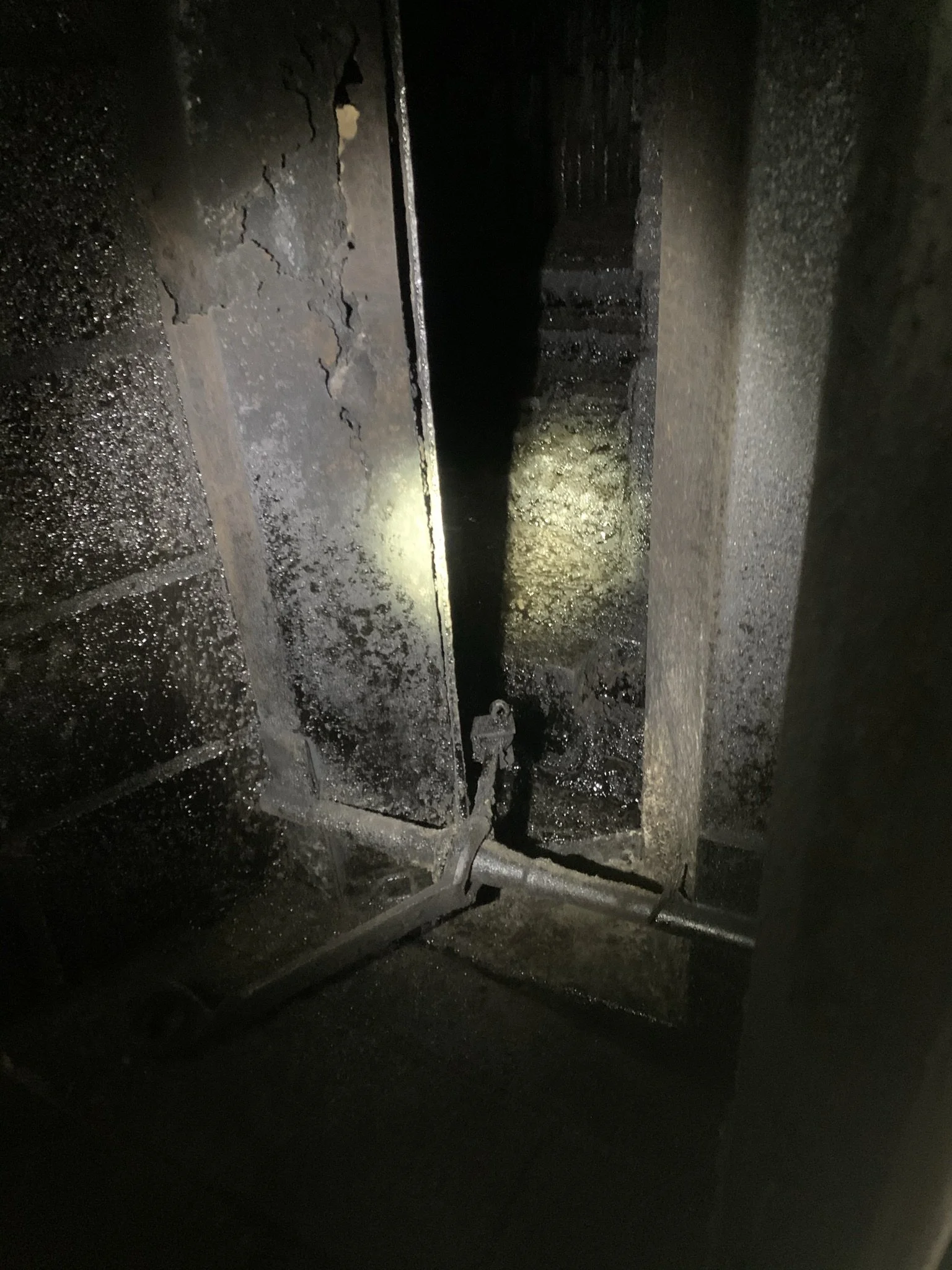
For many homeowners, the warm glow of a fireplace is a cherished part of winter. However, behind the cozy ambiance lurks a potential hazard—advanced stage creosote glazing. Creosote is a byproduct of burning wood, and it accumulates on the walls of your chimney over time. When creosote progresses to its advanced stage, it transforms into a thick, tar-like glaze that is incredibly difficult to remove and poses significant risks.
The Dangers of Advanced Stage Creosote
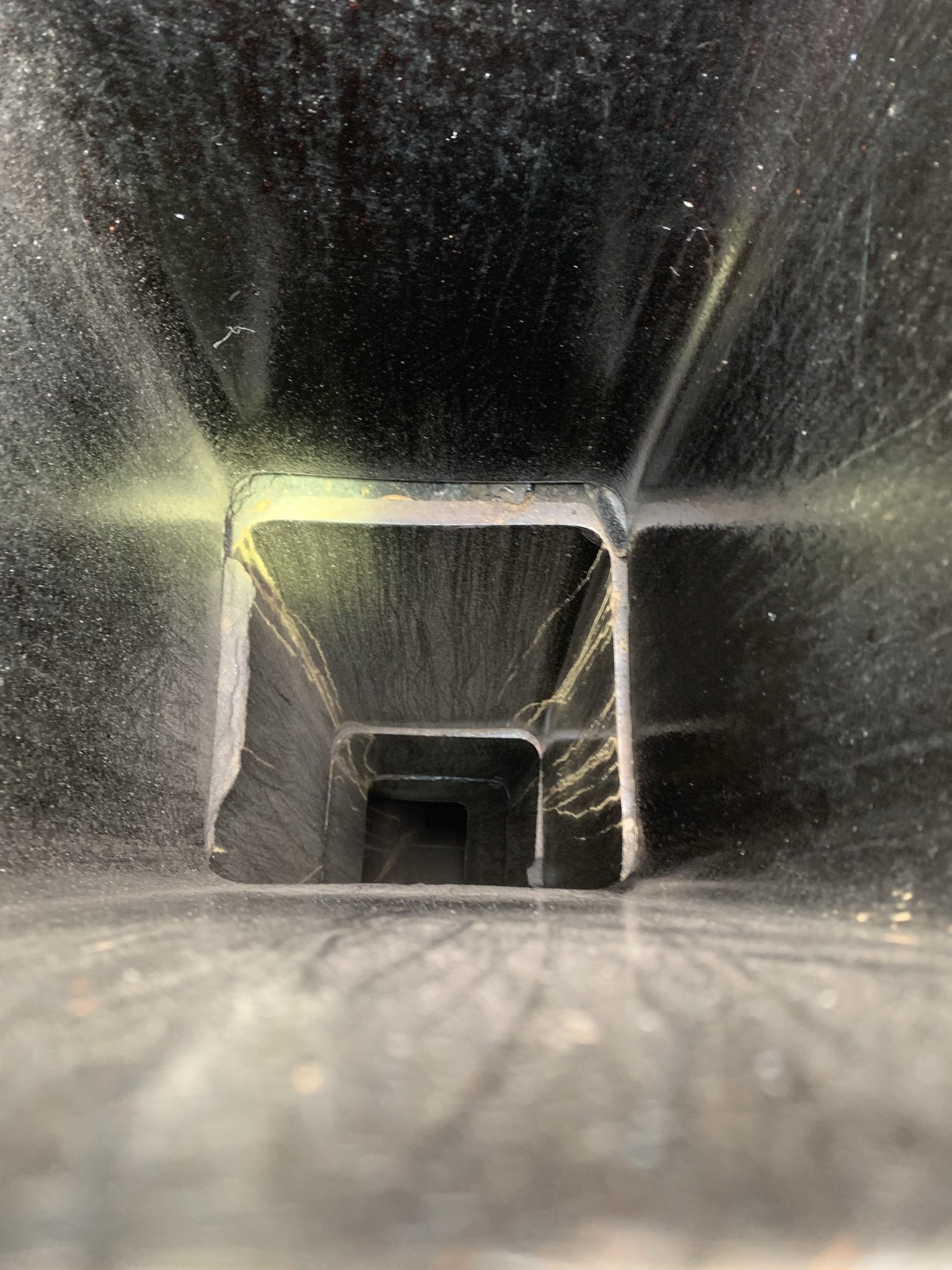
This glazing poses several dangers. Firstly, it is highly flammable and can lead to chimney fires, which may quickly spread to the rest of the house. Secondly, it can obstruct airflow, causing smoke to enter your home and create a hazardous environment. Moreover, the presence of creosote can also cause corrosive damage to the chimney structure over time, leading to costly repairs.
Preventing and Combatting Creosote Glazing
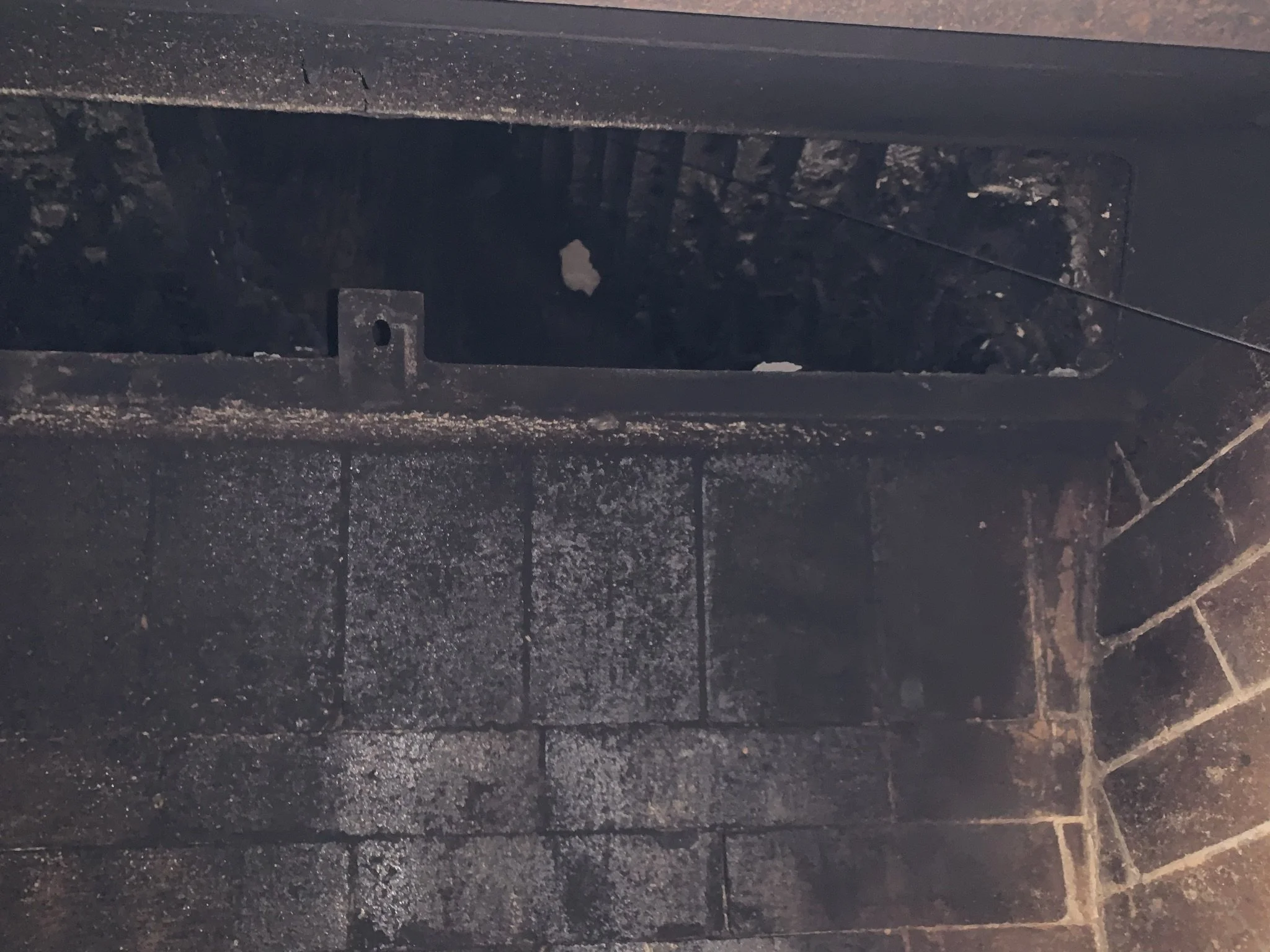
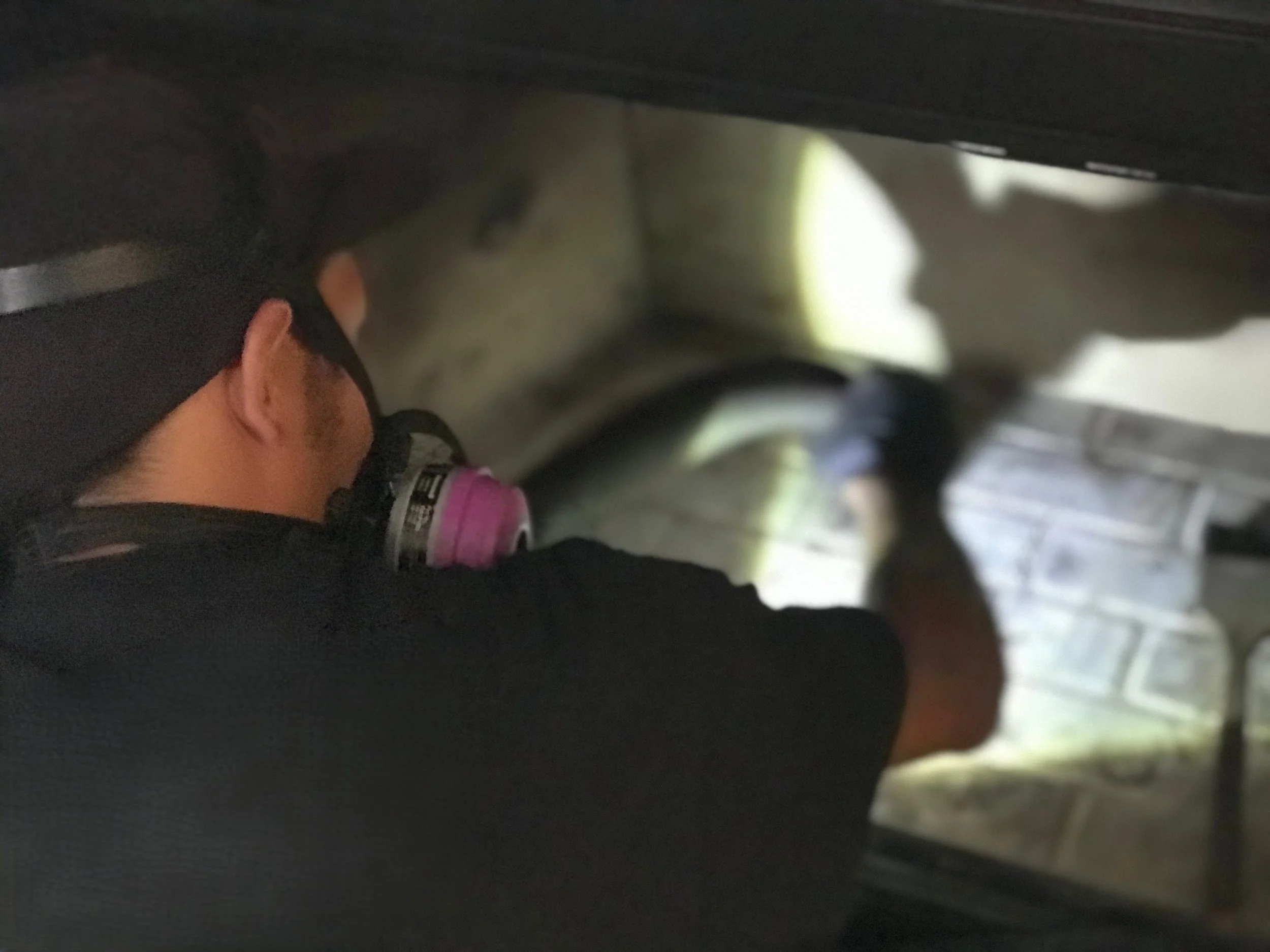
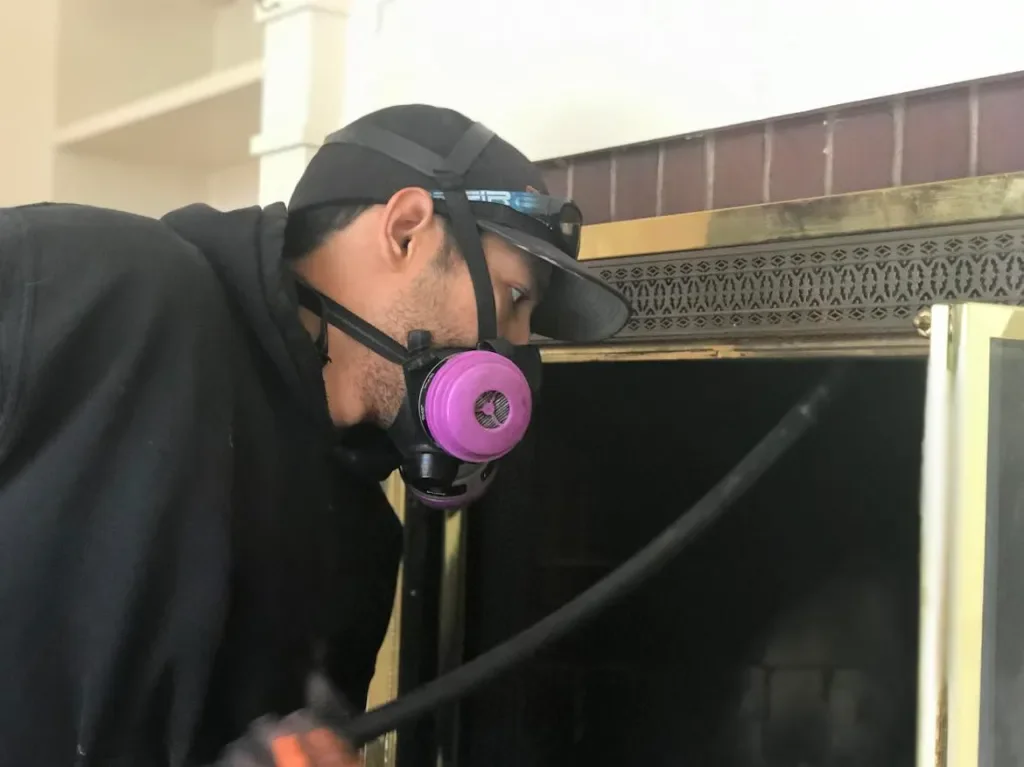
Prevention is key to managing creosote. Regular chimney inspections and cleanings, ideally conducted by a certified professional, can prevent creosote from reaching its advanced stage. Using seasoned firewood and ensuring adequate air supply can also minimize buildup. In cases where glazing has already occurred, mechanical cleaning methods, such as using rotary cleaning tools, are often necessary. Some chemical removers can convert glazed creosote into a brush-able form, though professional intervention is usually required for severe cases.
In conclusion, understanding and addressing creosote glazing is crucial for maintaining a safe and efficient fireplace. By adopting proper burning practices and routine maintenance, you can enjoy your fireplace's warmth without worrying about hidden dangers.