

Moss Growth, Moisture Entry or Efflorescence
Understanding Chimney Moss and Efflorescence: Causes, Dangers, and Solutions
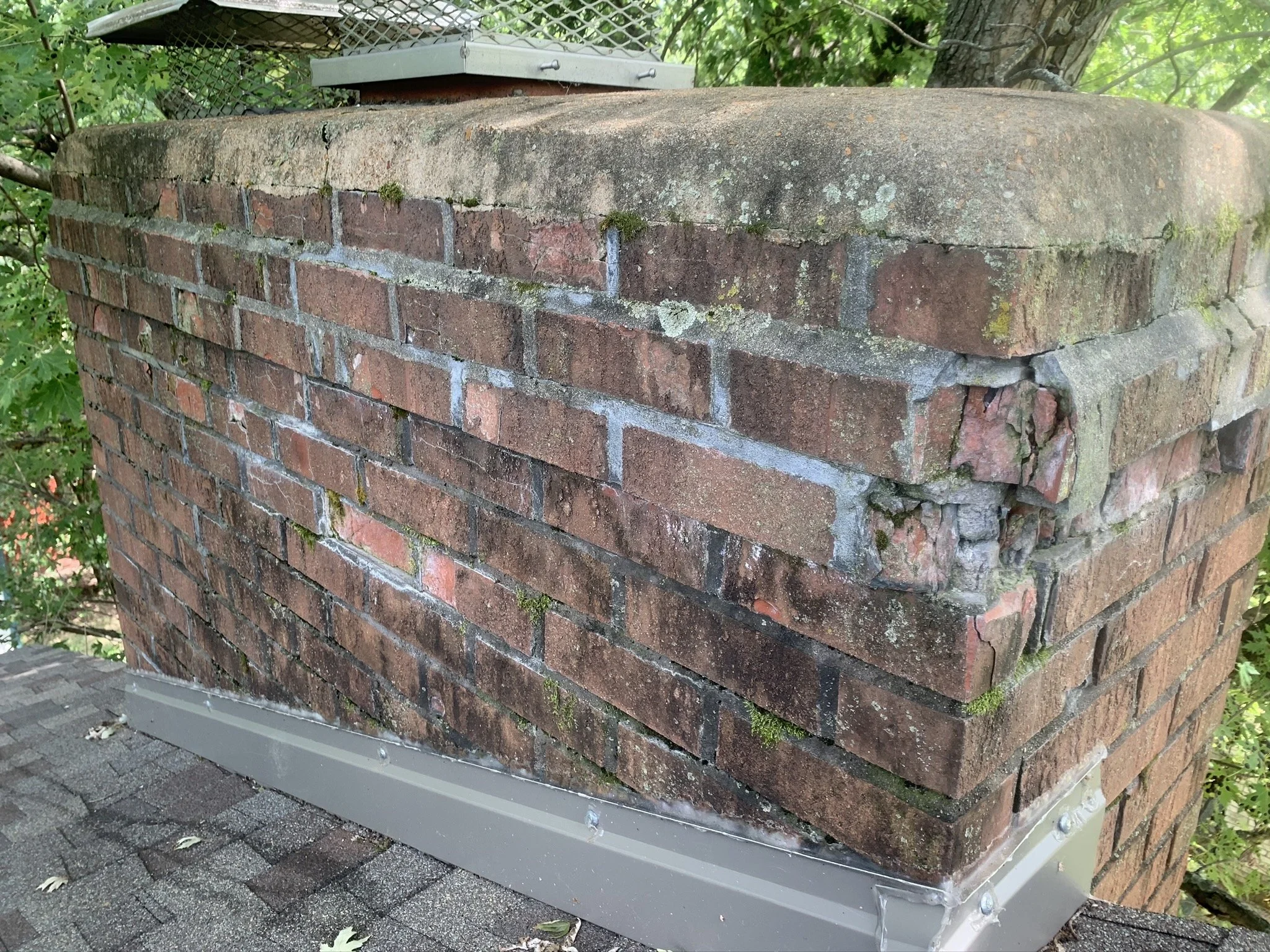
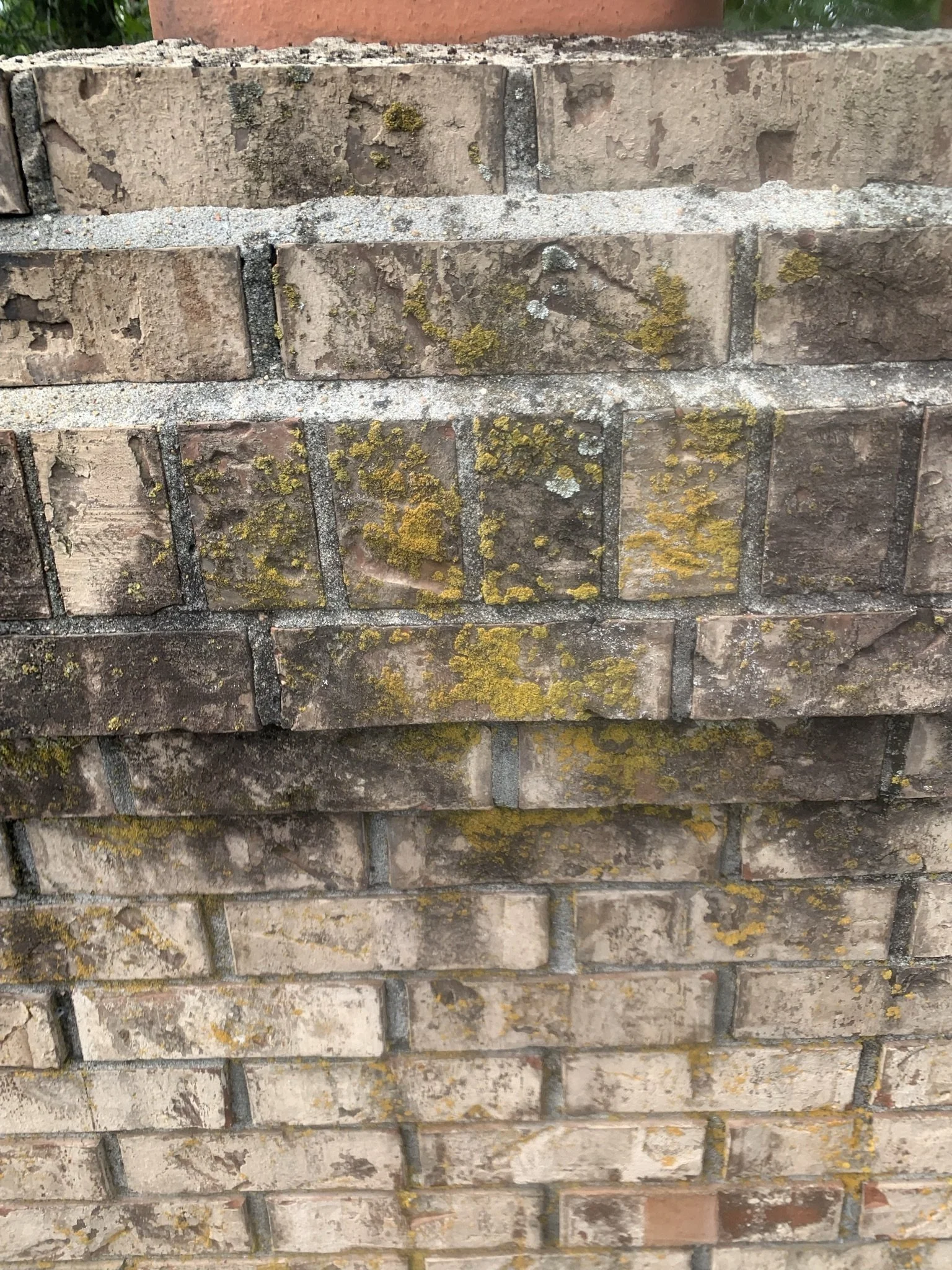
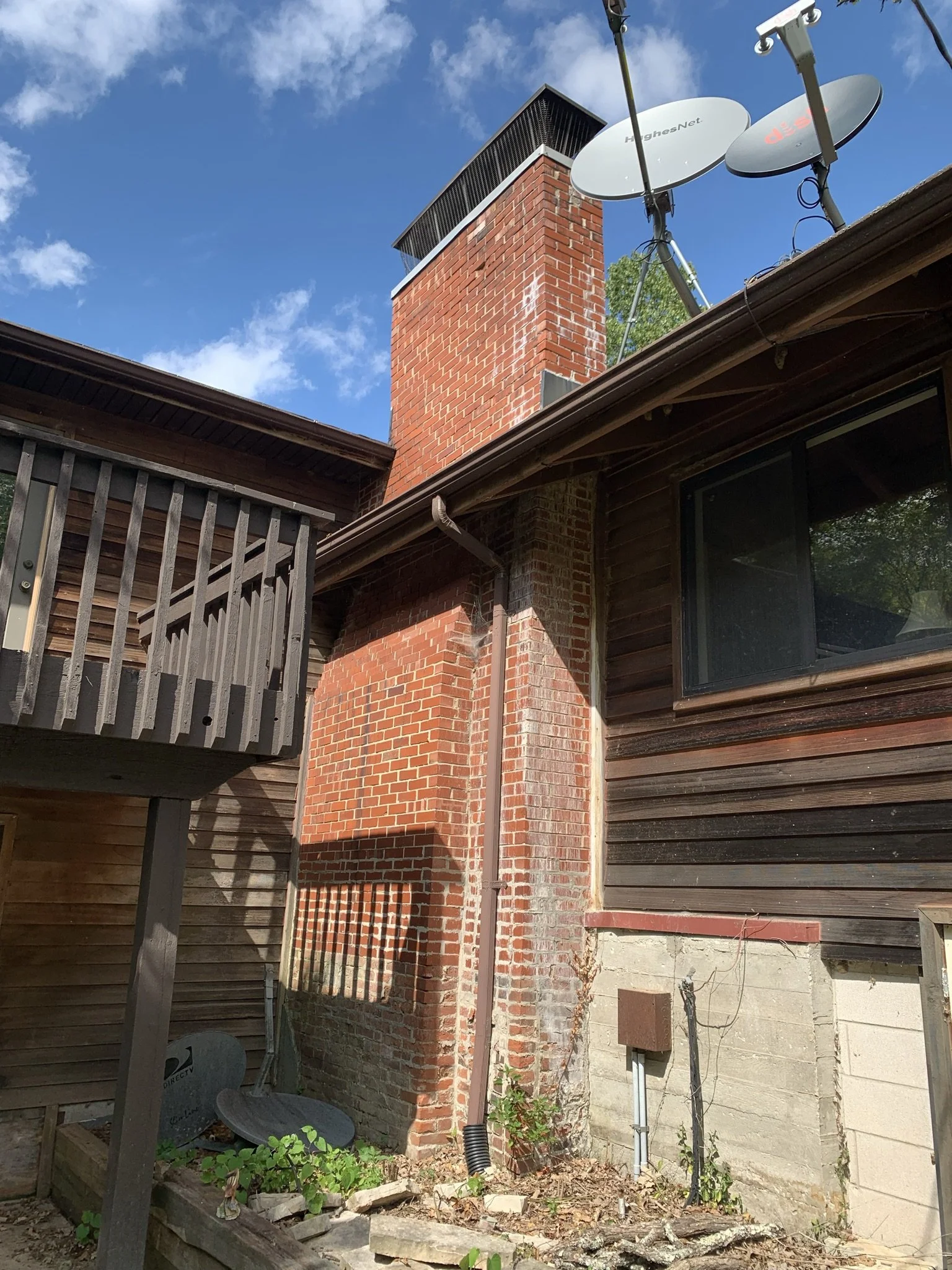
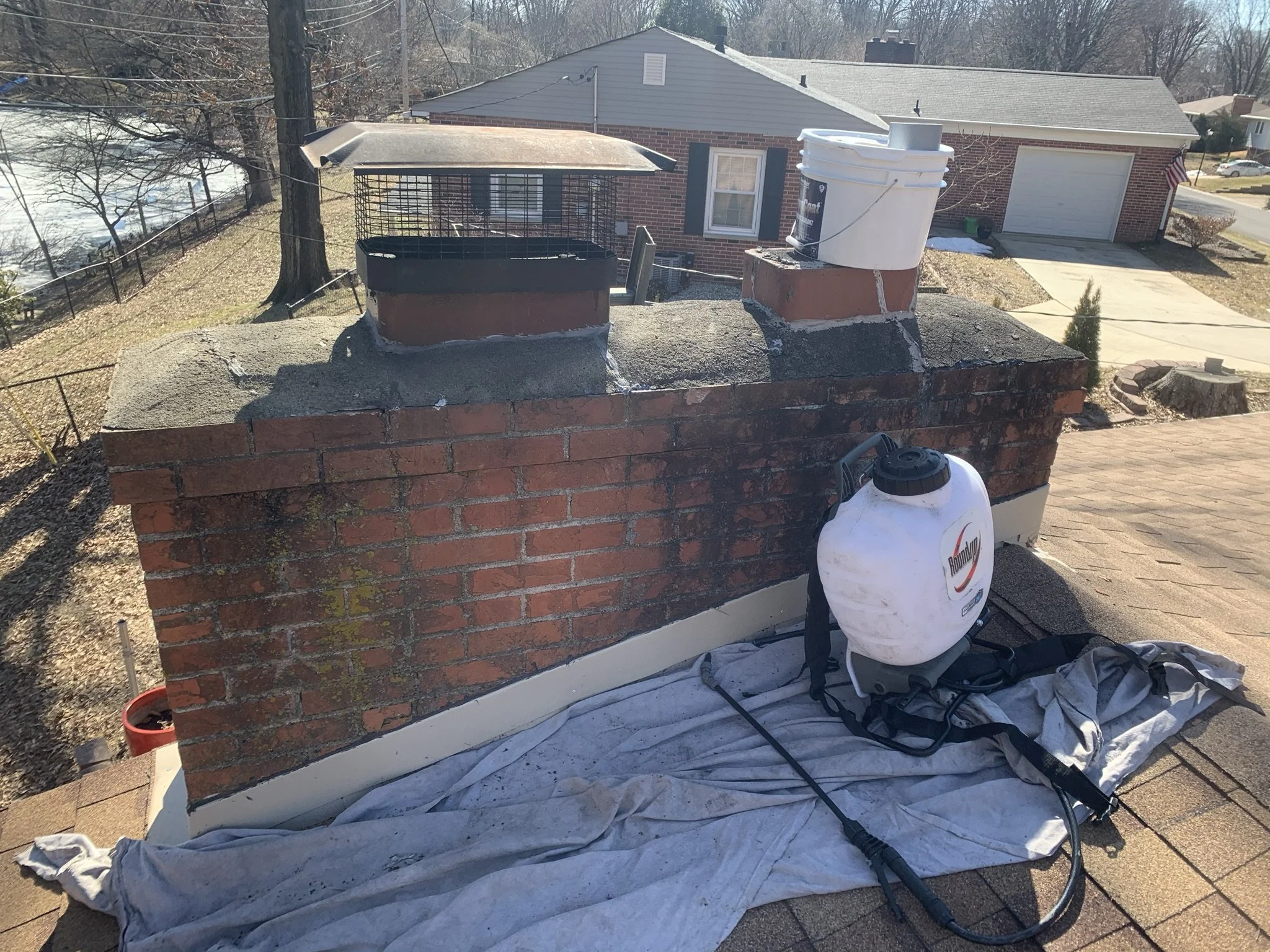
Chimneys, often overlooked features of our homes, can develop two common issues: moss and efflorescence. These growths not only affect the aesthetic appeal of your chimney but can also lead to structural concerns. But what causes these phenomena, what harm do they present, and what can homeowners do about them? Moss thrives in moist, shaded areas, making chimneys a prime target, particularly in regions with high humidity or frequent rain. It grows on the porous surfaces of bricks and mortar, where moisture is readily absorbed. On the other hand, efflorescence is a white, powdery substance that appears on masonry surfaces when water-soluble salts migrate to the surface as the water evaporates. This typically occurs when there's excessive moisture within the chimney structure, often due to leaks or poor ventilation.
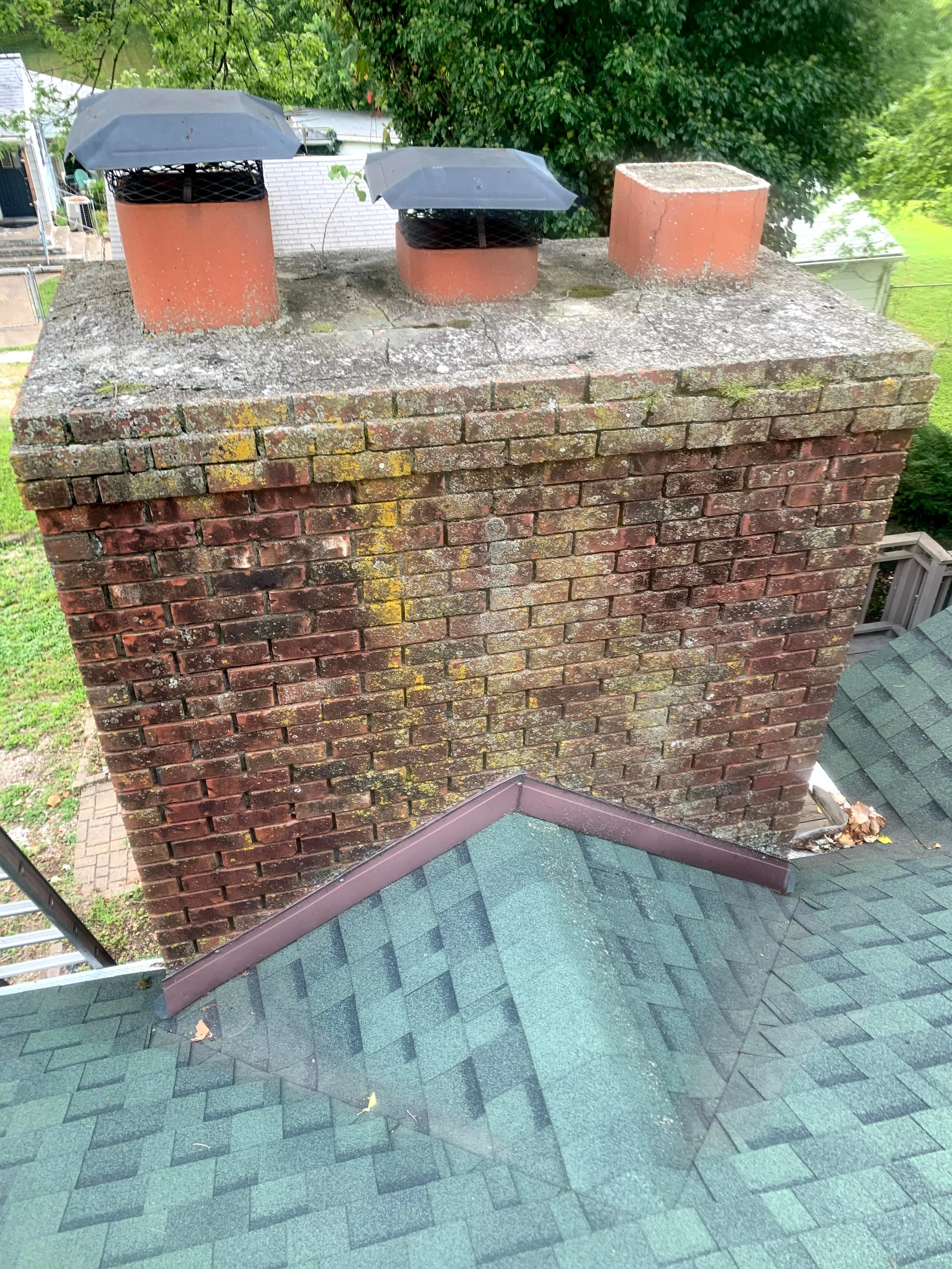
The Dangers of Growth
While moss might seem harmless, its growth can retain moisture against the chimney structure, leading to the deterioration of bricks and mortar over time. This prolonged exposure can weaken the chimney, posing potential safety risks. Efflorescence, though primarily a cosmetic issue, can indicate underlying moisture problems that, if unaddressed, might lead to more severe water damage, such as spalling bricks or compromised mortar joints.
Effective Solutions
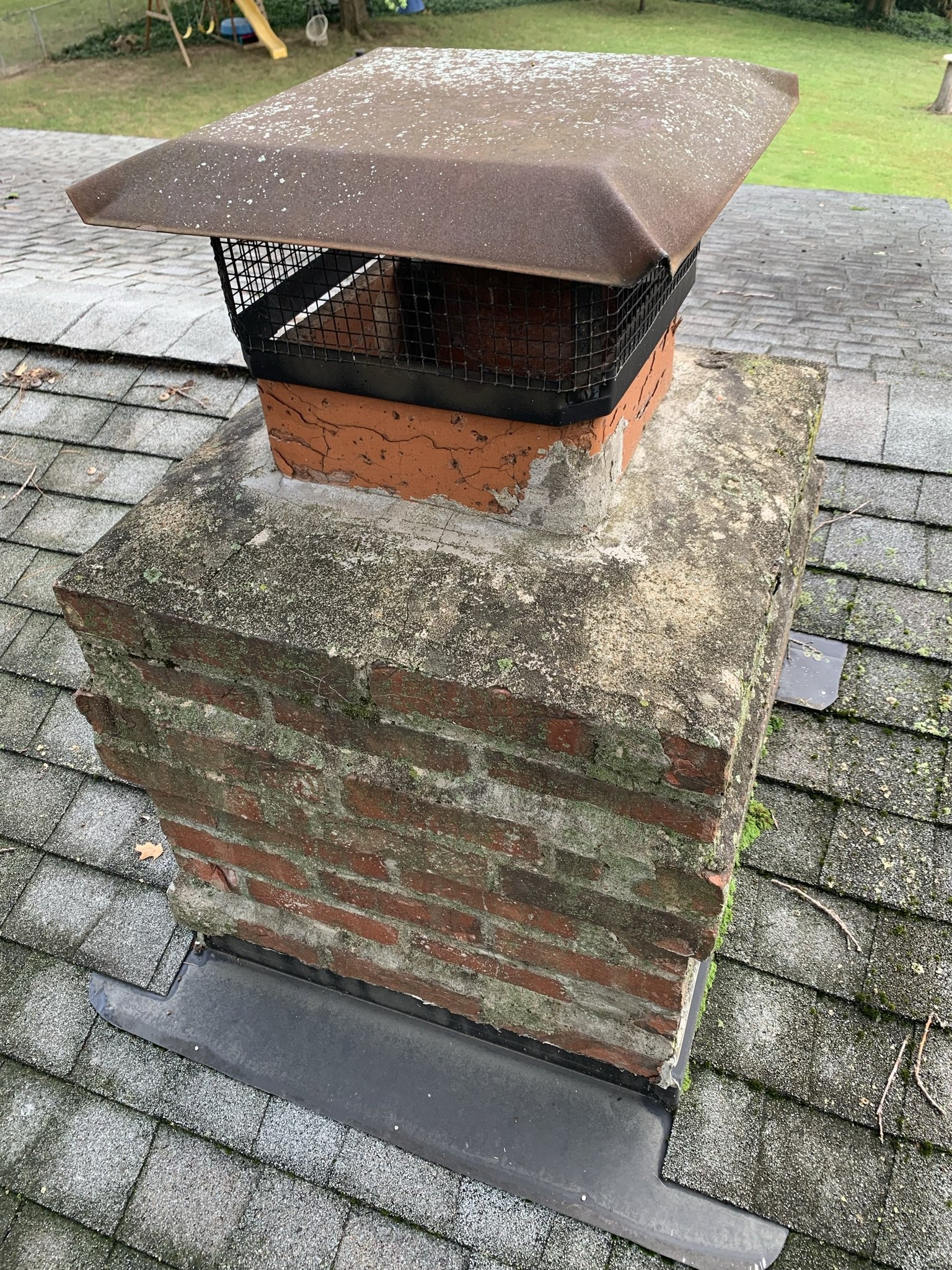
Addressing these issues begins with proper chimney maintenance. For moss, regular cleaning and application of a specialized moss-killing solution can inhibit growth. Ensuring good ventilation and trimming overhanging branches to reduce shade can also help prevent moss from thriving. Solving efflorescence involves identifying and rectifying the source of moisture. This could mean repairing leaks, improving drainage, or applying a waterproof sealant to the chimney. In some cases, consulting with a professional may be necessary to ensure comprehensive solutions.
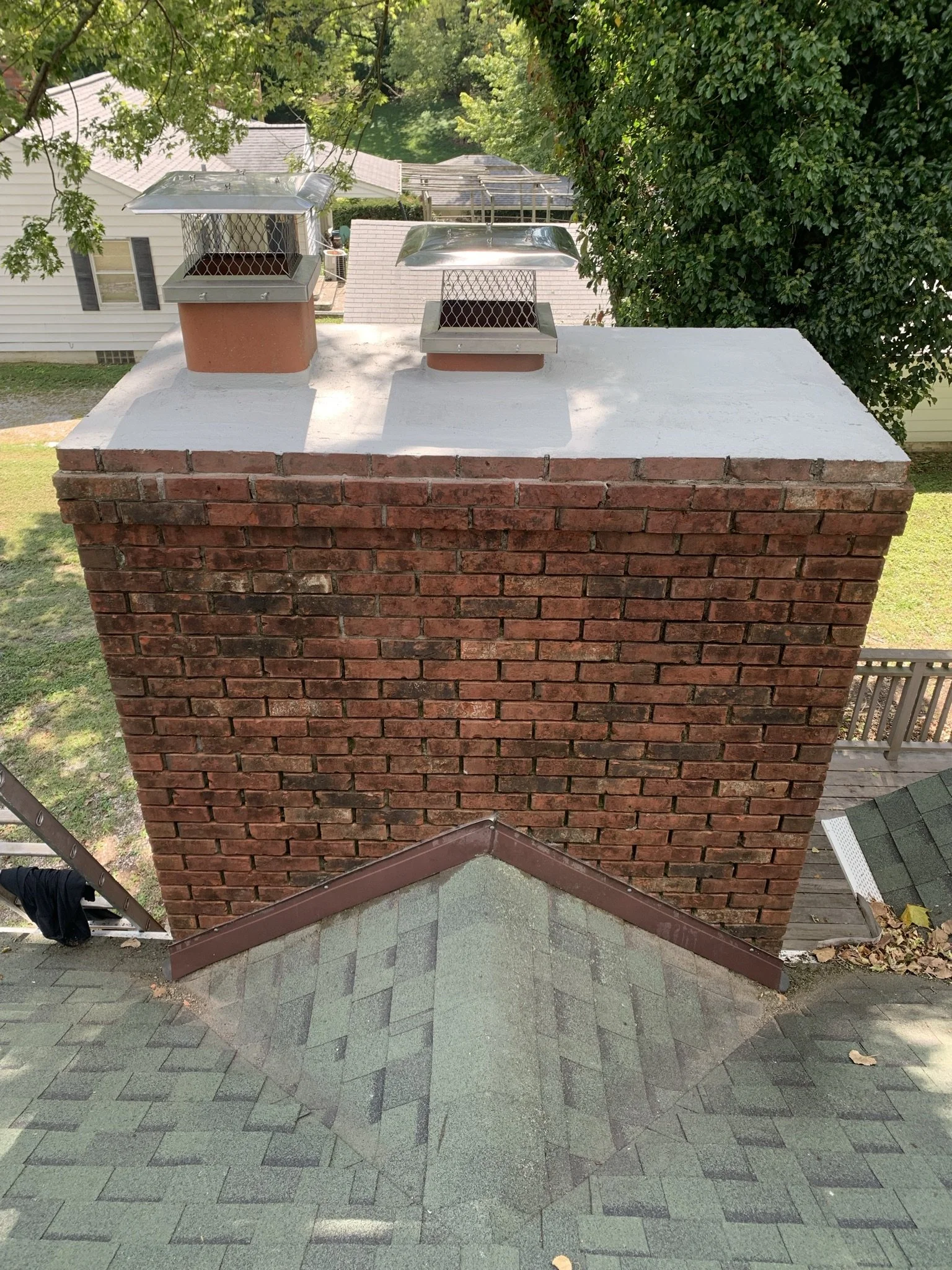
Chimney moss and efflorescence, though common, should not be ignored. By understanding their causes and potential harms, homeowners can take proactive steps to mitigate these issues. Regular maintenance, effective moisture management, and a bit of professional insight can preserve the beauty and integrity of your chimney, ensuring it remains a safe and functional part of your home.