Rusting Chase Covers
Understanding Rusted Chimney Chase Covers: Causes, Dangers, and Solutions
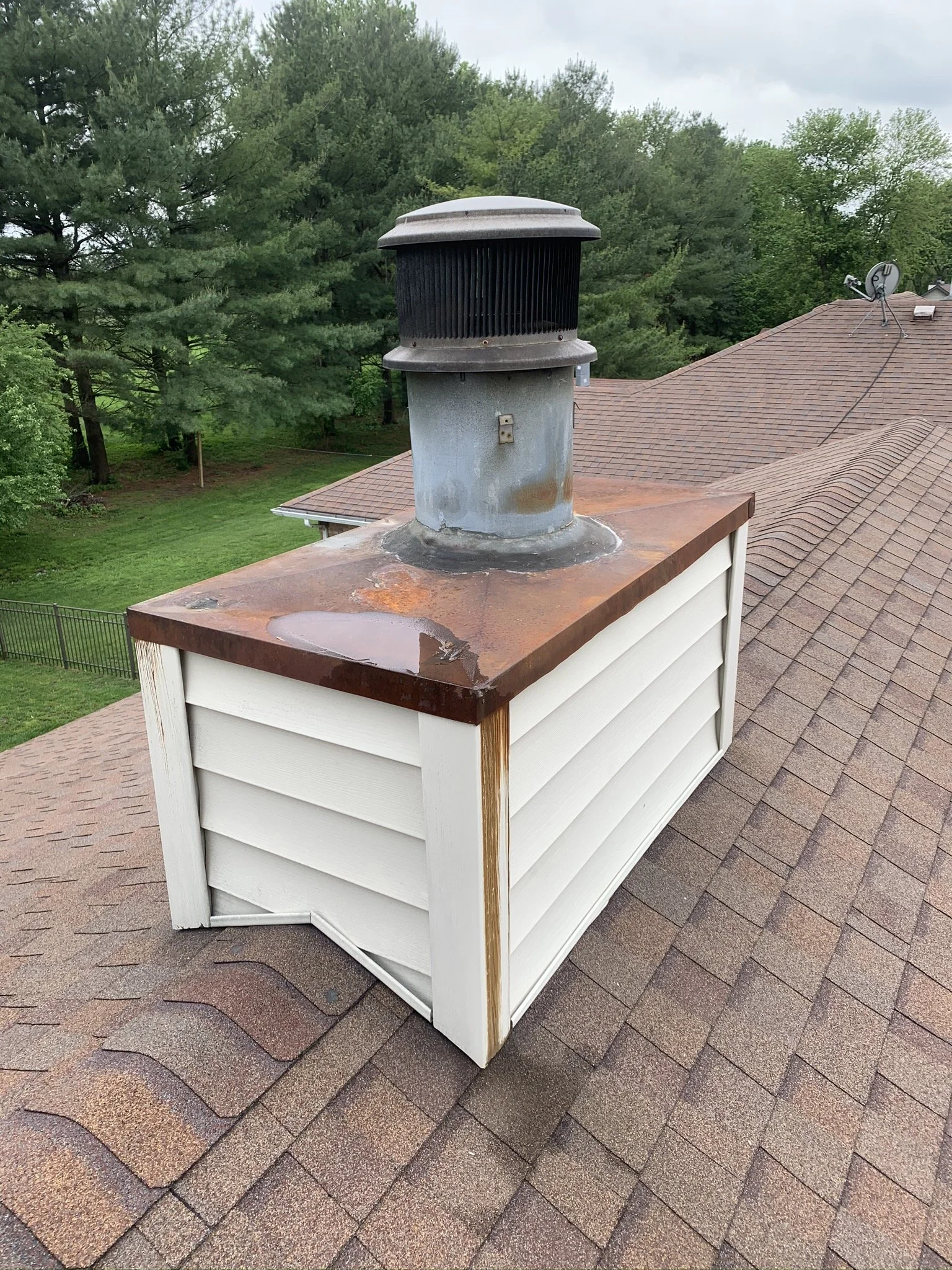
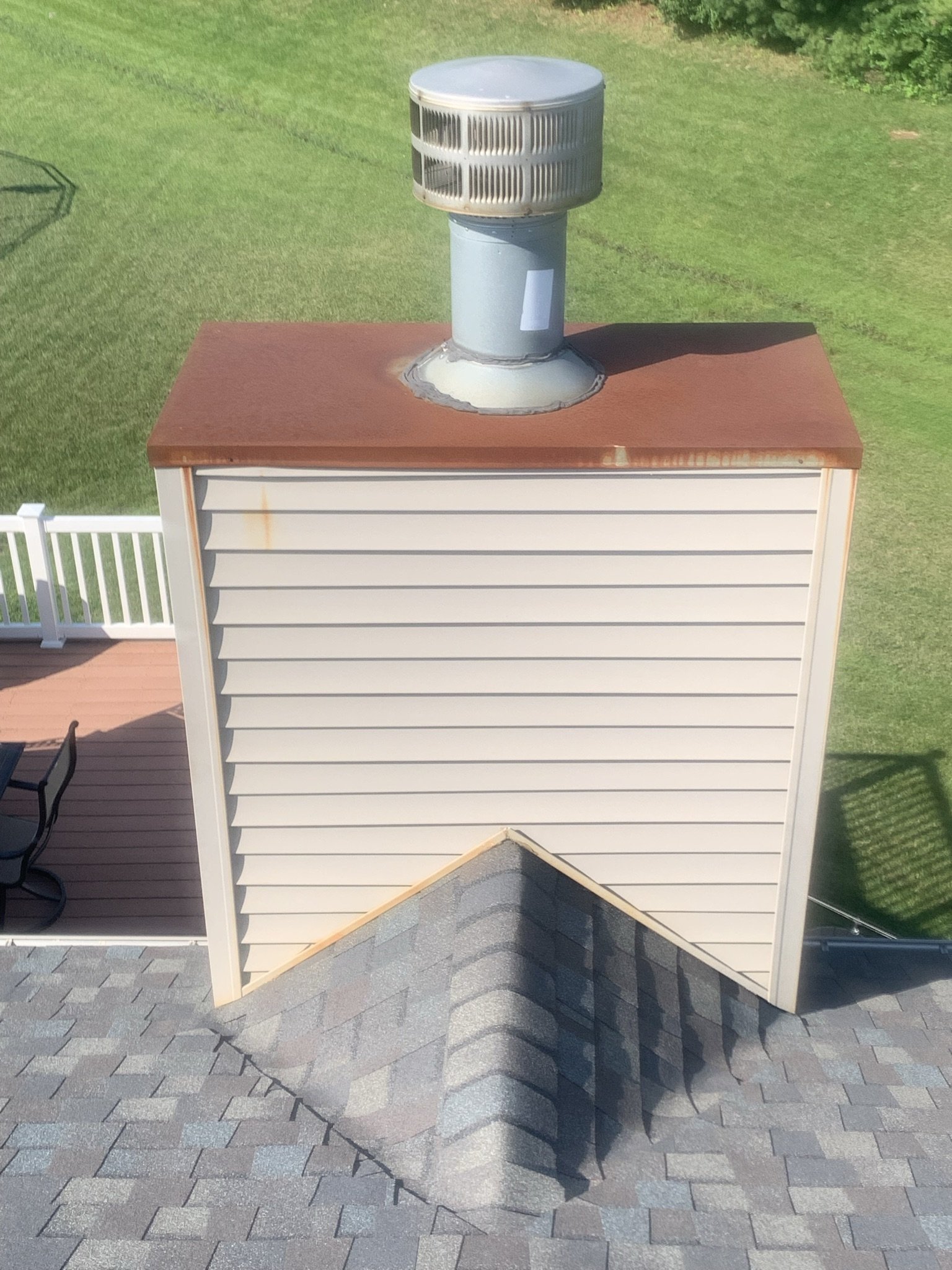
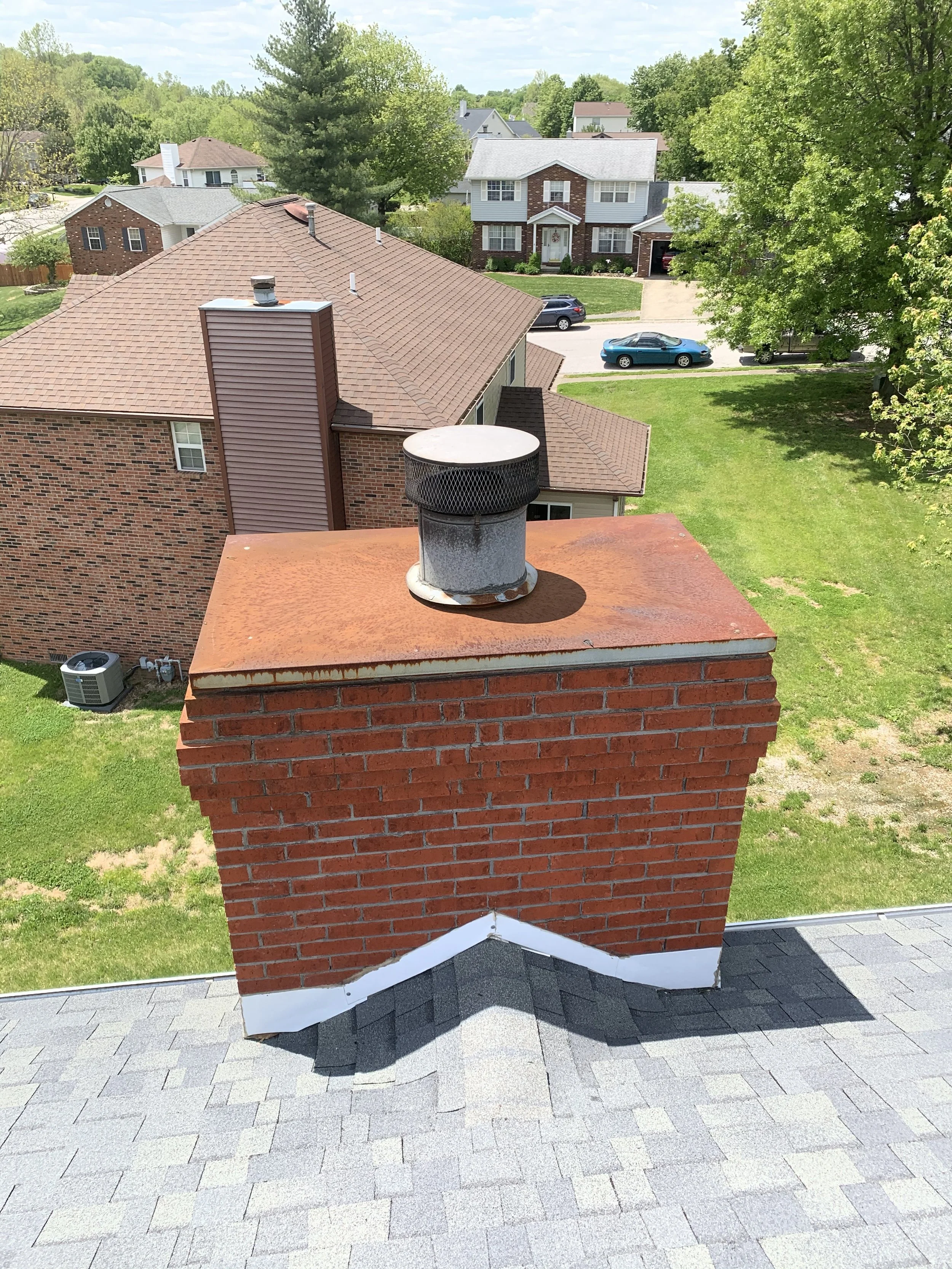
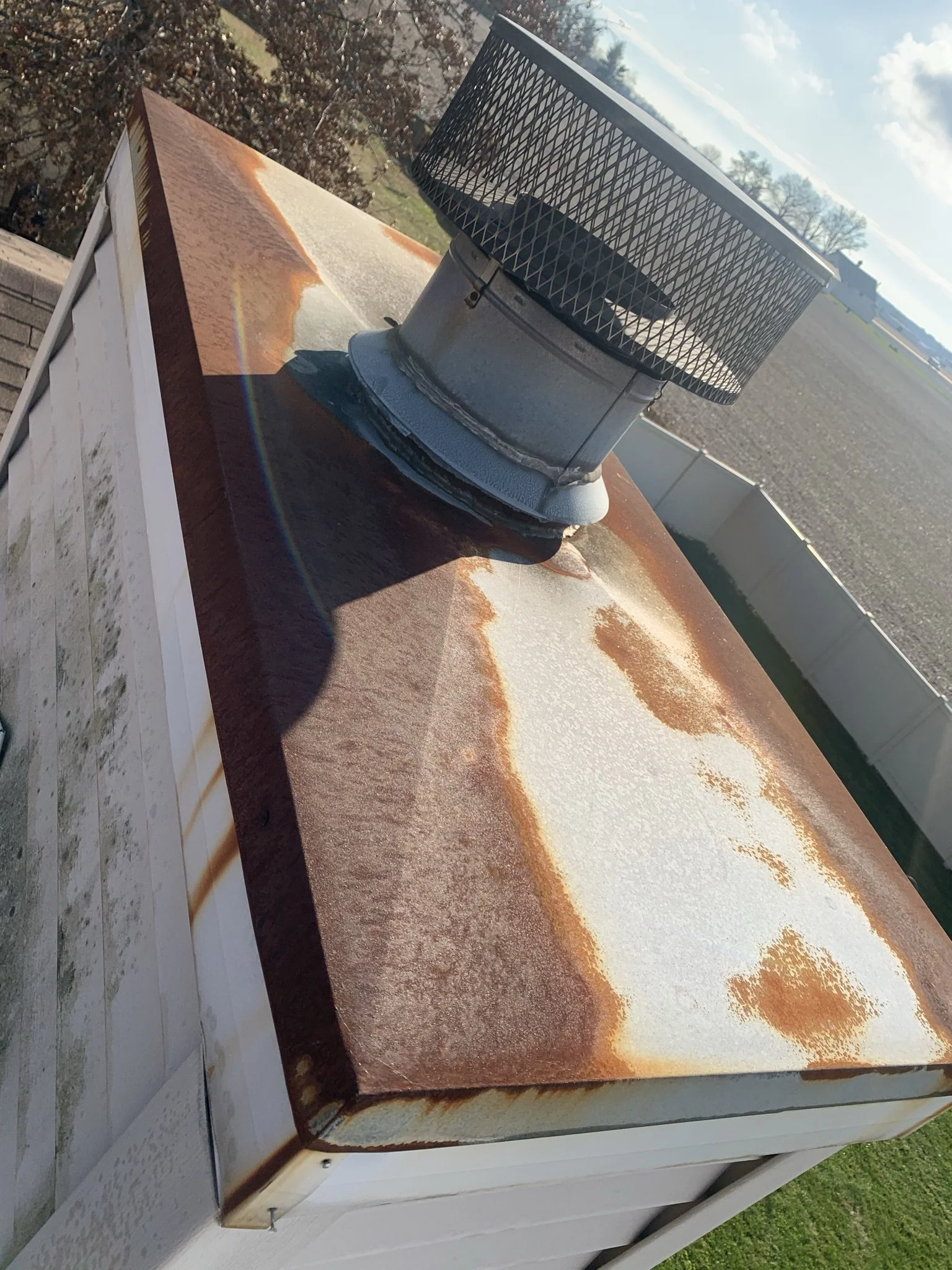
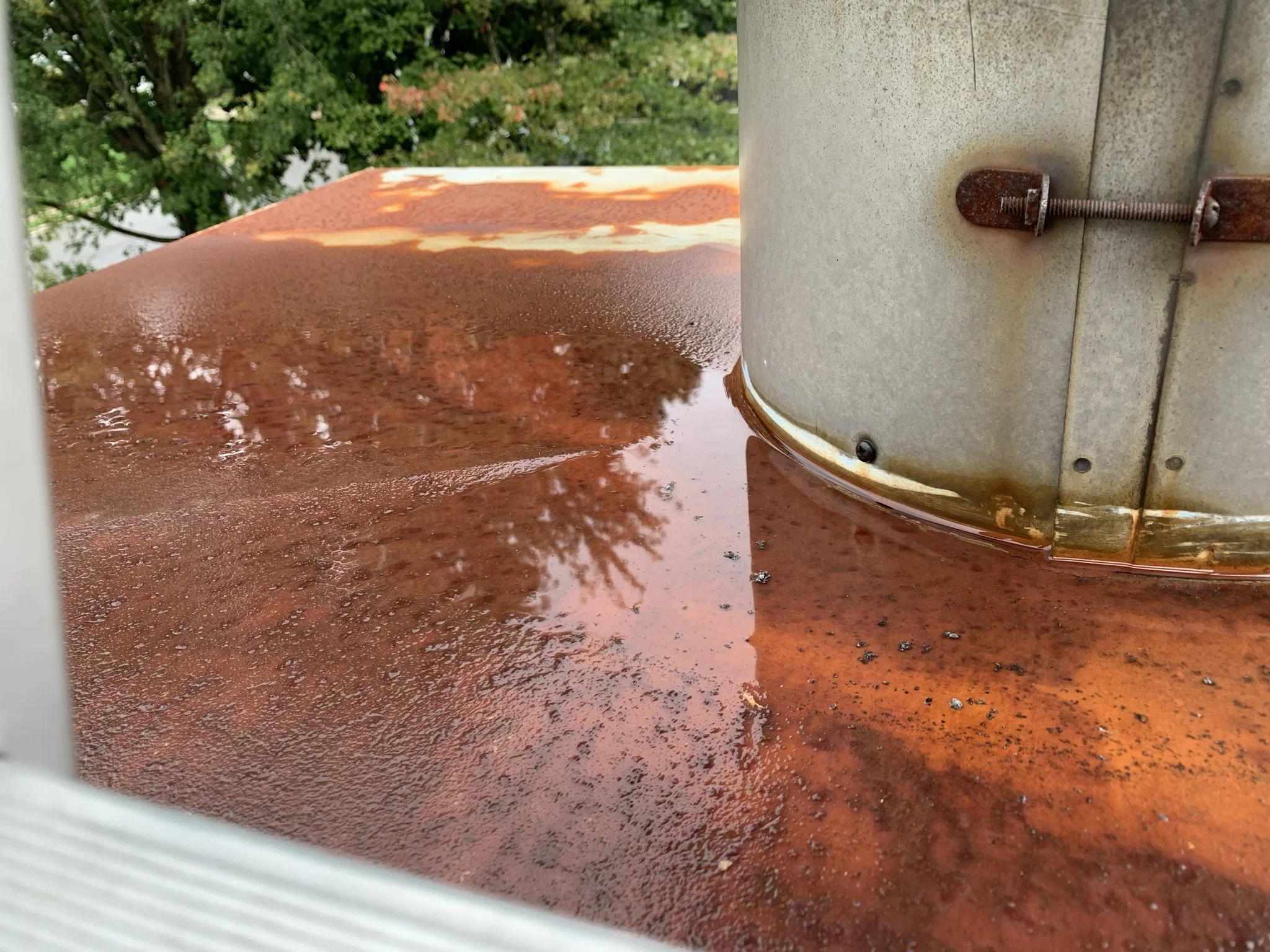
Chimney chase covers are crucial components of a chimney system, serving as protective lids for prefabricated chimneys. They are typically made from materials like galvanized steel, stainless steel, copper, or aluminum. However, over time, homeowners may notice their chimney chase covers beginning to rust, especially if made of galvanized steel, which is prone to oxidation due to exposure to the elements. Weather conditions such as rain, snow, and humidity can accelerate the rusting process, leading to unsightly stains and compromising the cover’s structural integrity.
The Consequences of a Rusted Chase Cover
Rusted chimney chase covers extend beyond mere aesthetics. Rust can lead to holes or gaps, allowing water to seep into the chimney structure. This infiltration can cause significant damage, including rotting wood, mold growth, and even interior water damage, which can be costly to repair. Additionally, the compromised cover can allow animals and debris to enter the chimney, creating blockages and potential fire hazards.



Solution For Rusted Chase Covers
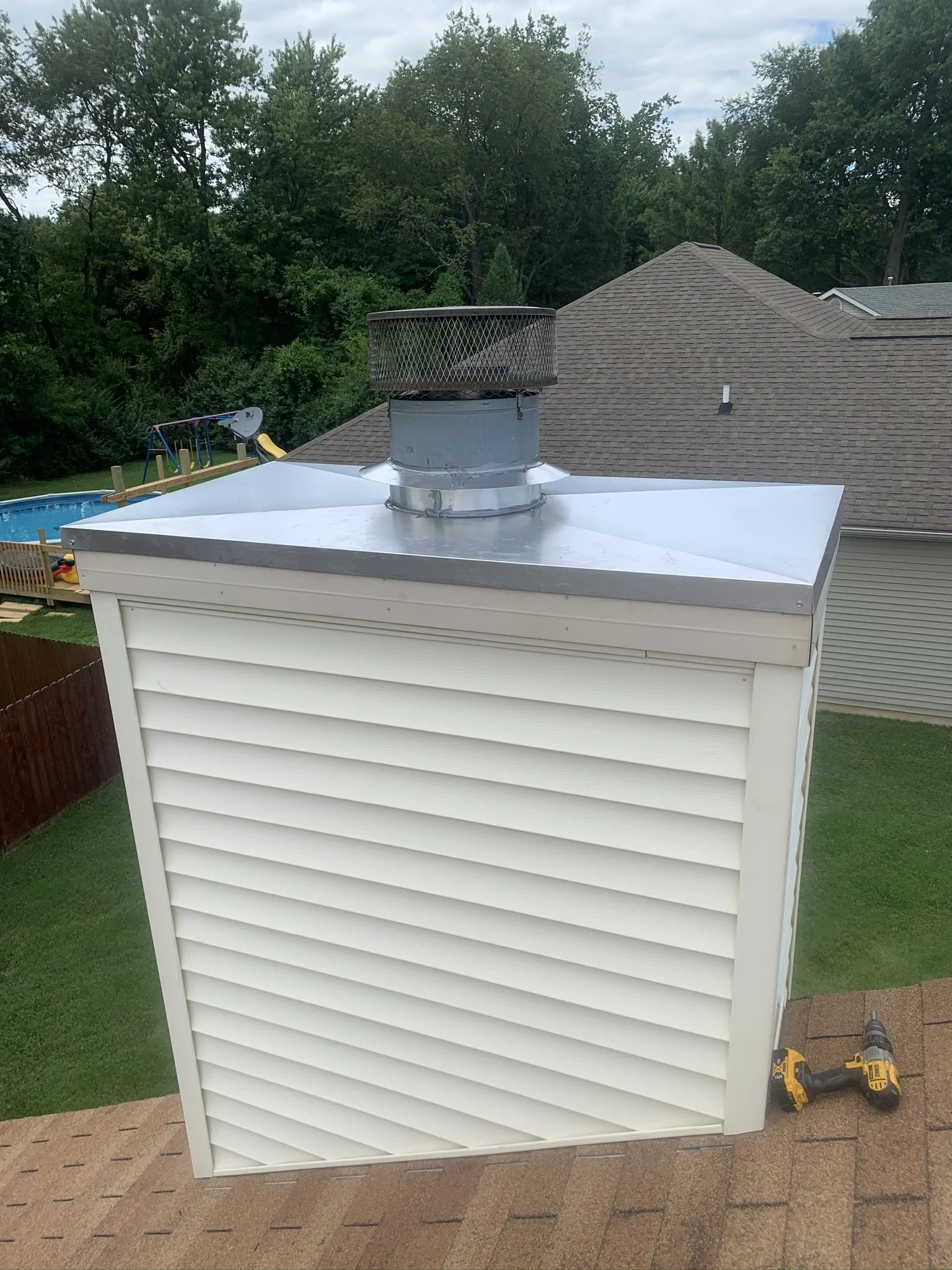
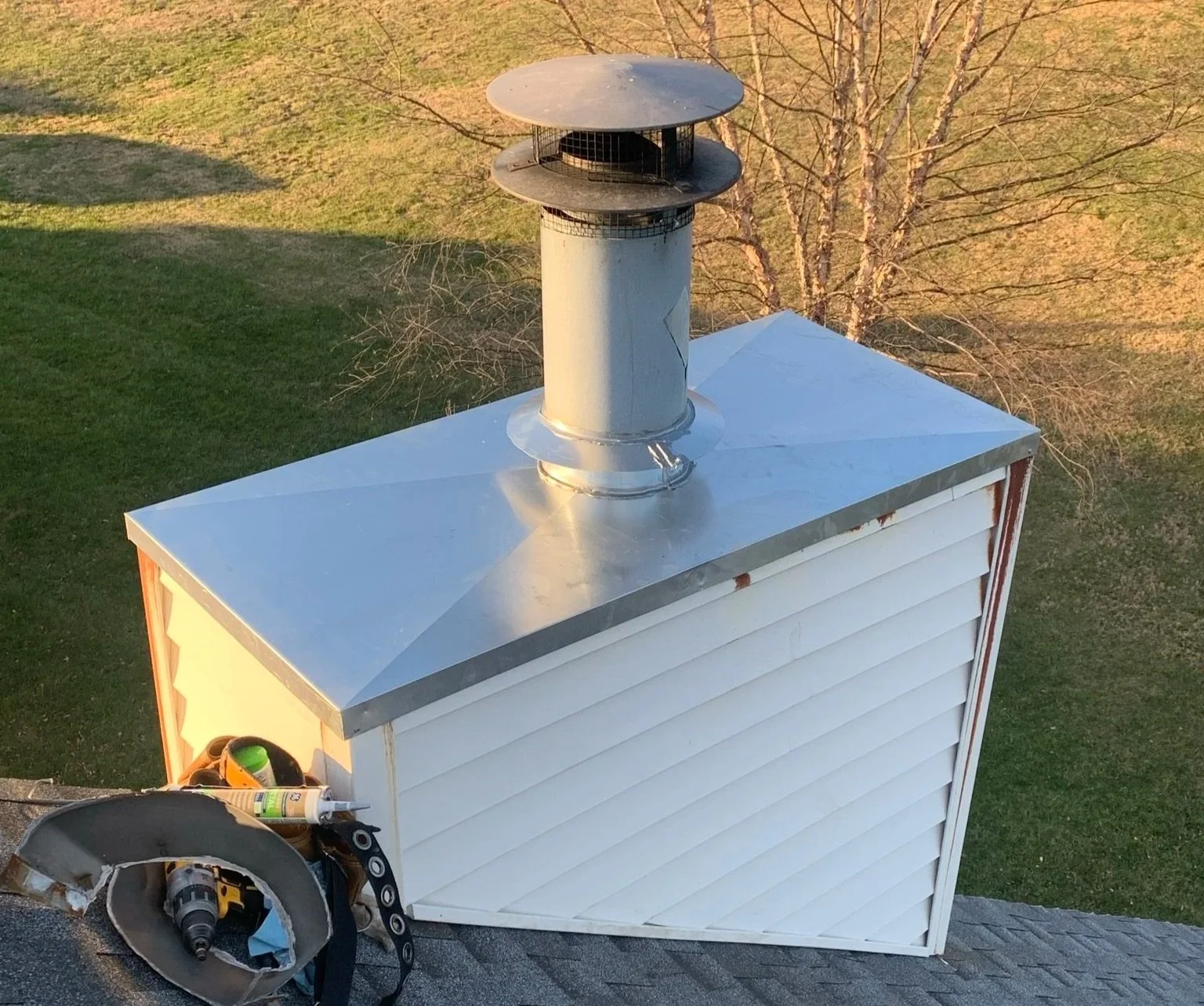
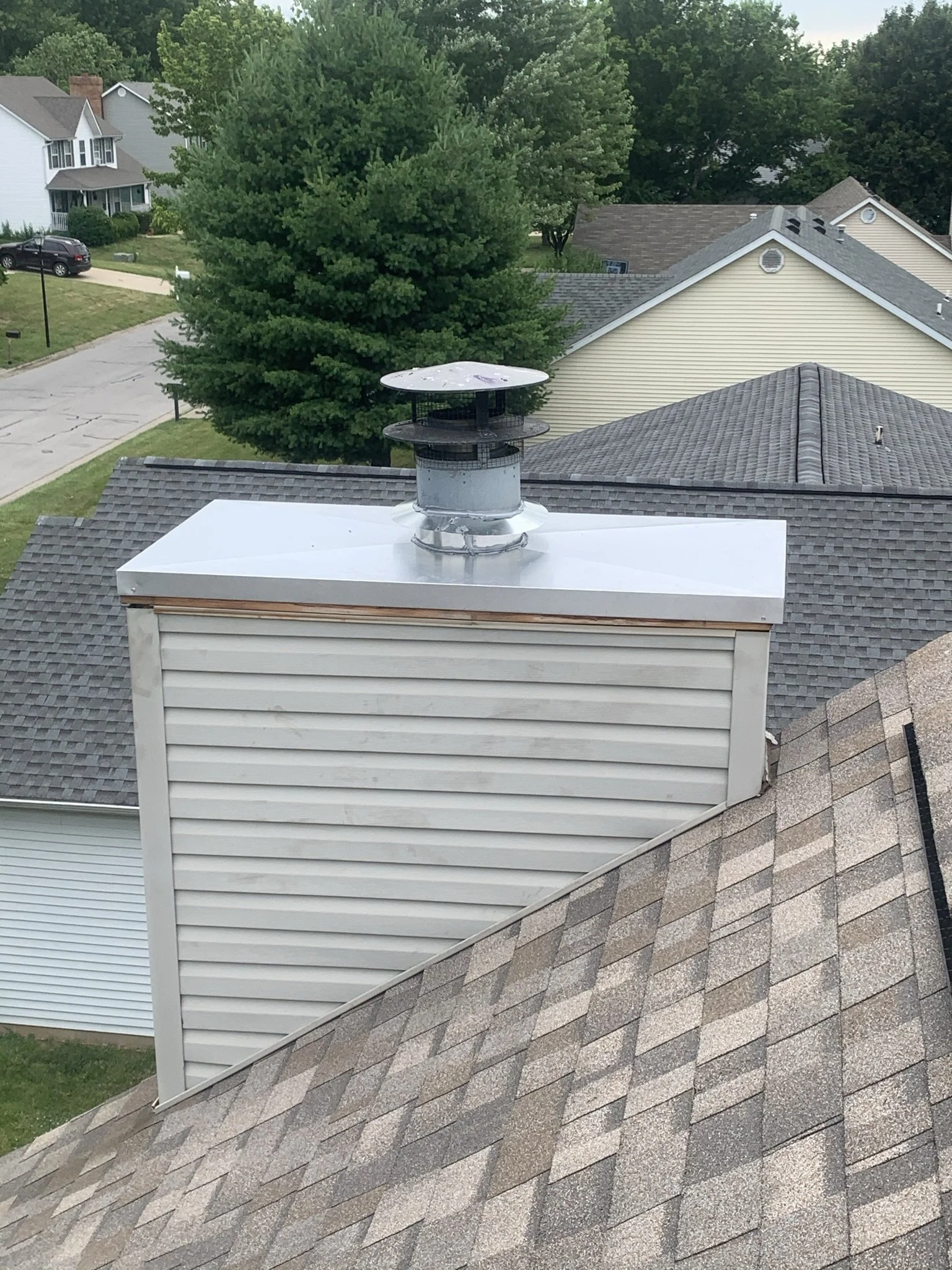
Addressing a rusted chimney chase cover is crucial to maintaining the safety and functionality of your chimney. The first step is to inspect the cover regularly for signs of rust and damage. If rust is detected, it’s advisable to replace the cover entirely, especially if made from galvanized steel. Opting for more durable materials like stainless steel or copper can prevent future rusting issues. These materials offer better resistance to corrosion, ensuring long-lasting protection for your chimney. Installing a new chase cover should ideally be done by a professional to ensure proper fit and sealing.


In conclusion, while rusted chimney chase covers are a common issue, they should not be ignored due to the potential dangers they pose. Regular inspections and timely replacements with higher-quality materials can preserve the health of your chimney system and prevent costly repairs in the future. By taking these proactive steps, homeowners can ensure their chimneys remain safe and efficient for years to come.