

Animal Debris, Nesting, and Blockages Inside of Flue
The Unseen Intruders: Animal Debris, Nesting, and Blockages Inside Chimney Flues
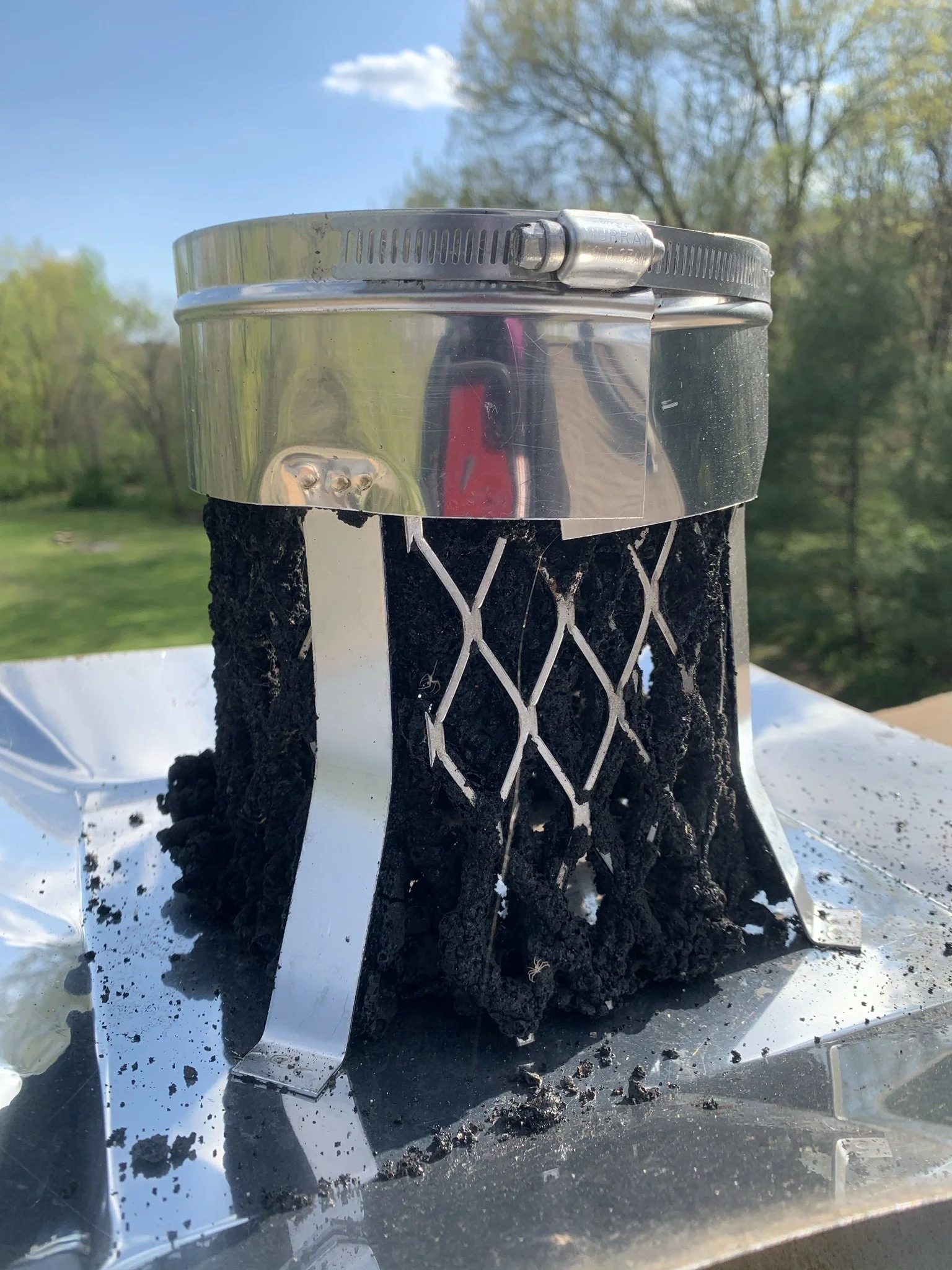
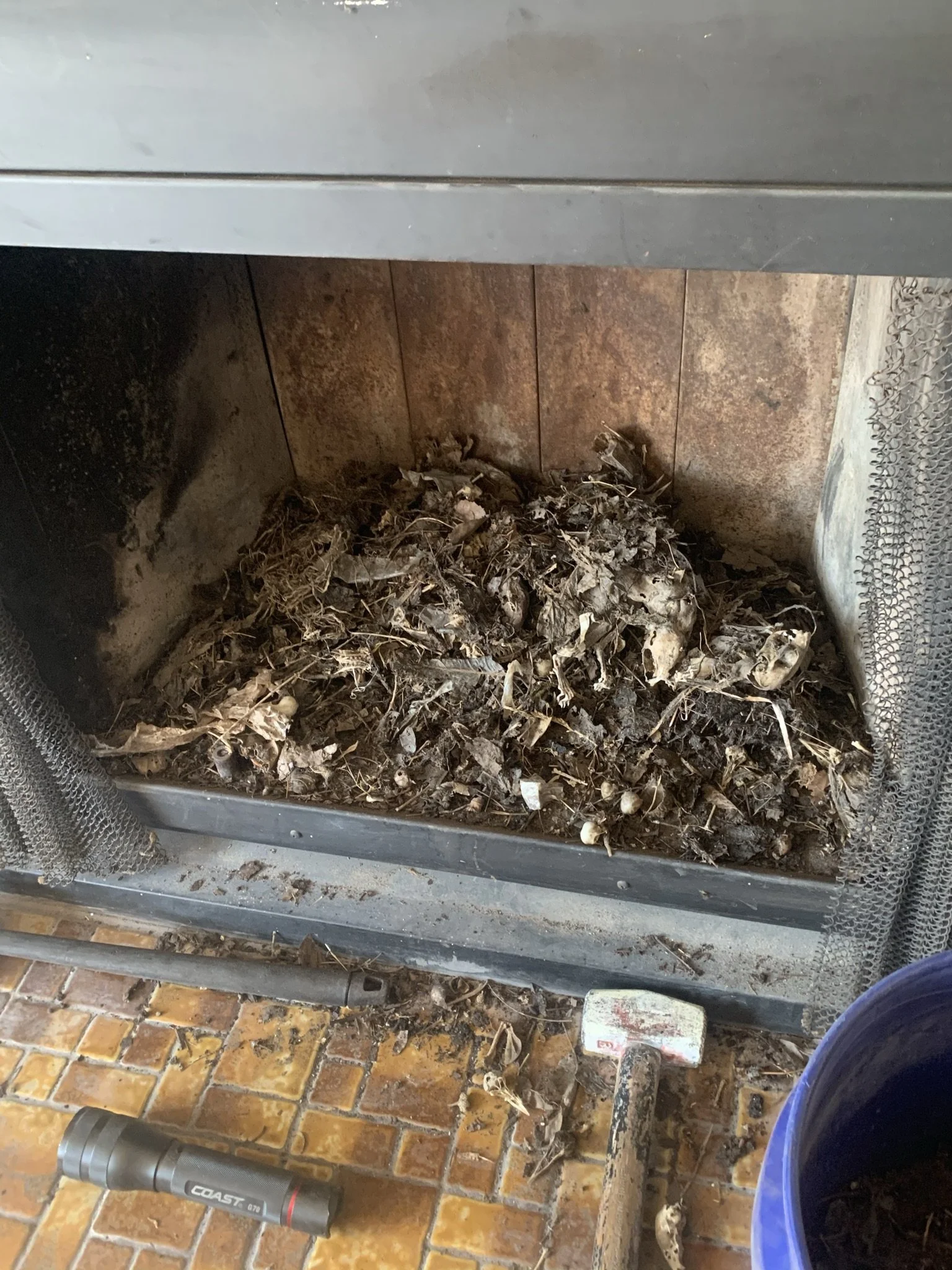
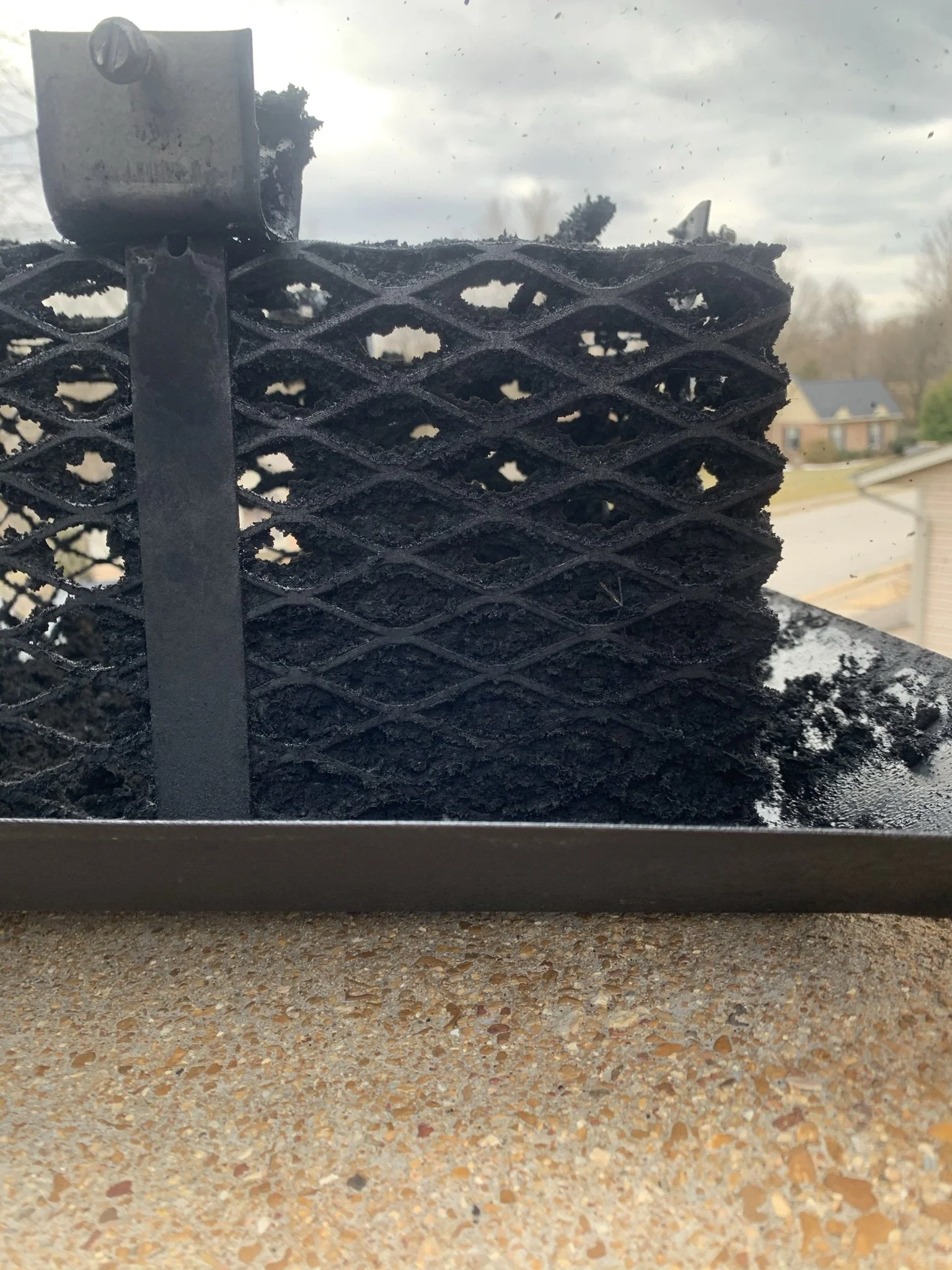
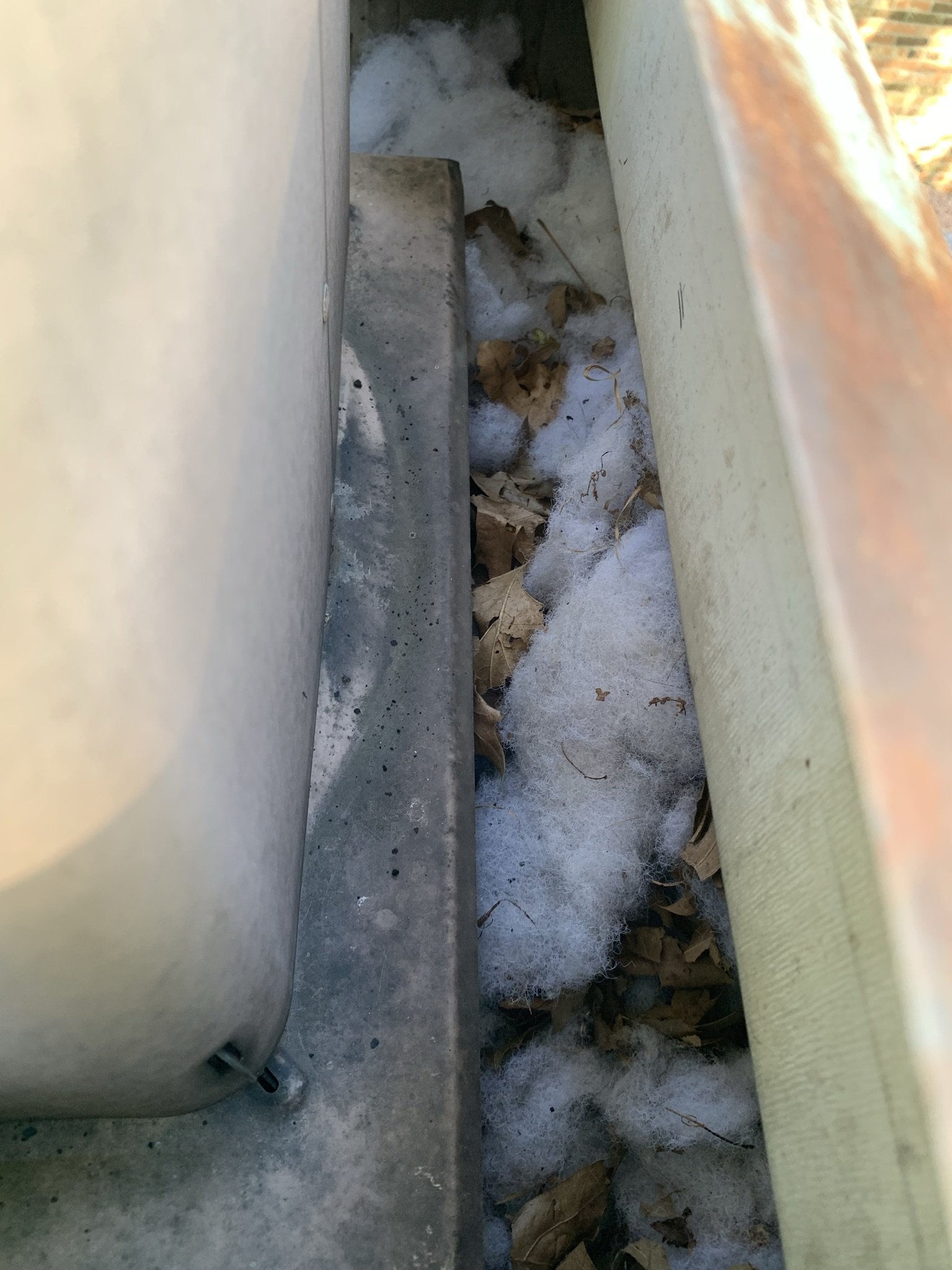
Chimneys often serve as more than just a conduit for smoke; they can become inadvertent sanctuaries for wildlife. Birds, squirrels, and even raccoons may find the confined, sheltered space ideal for nesting, especially during chilly months. Over time, these unwelcomed guests can leave behind a trail of debris—twigs, leaves, feathers, and even remnants of food—which gradually accumulate and create blockages within the flue. Equally a plug of creosote can form that not only presents a blockage in the flue, but can also lead to a chimney fire if not addressed.
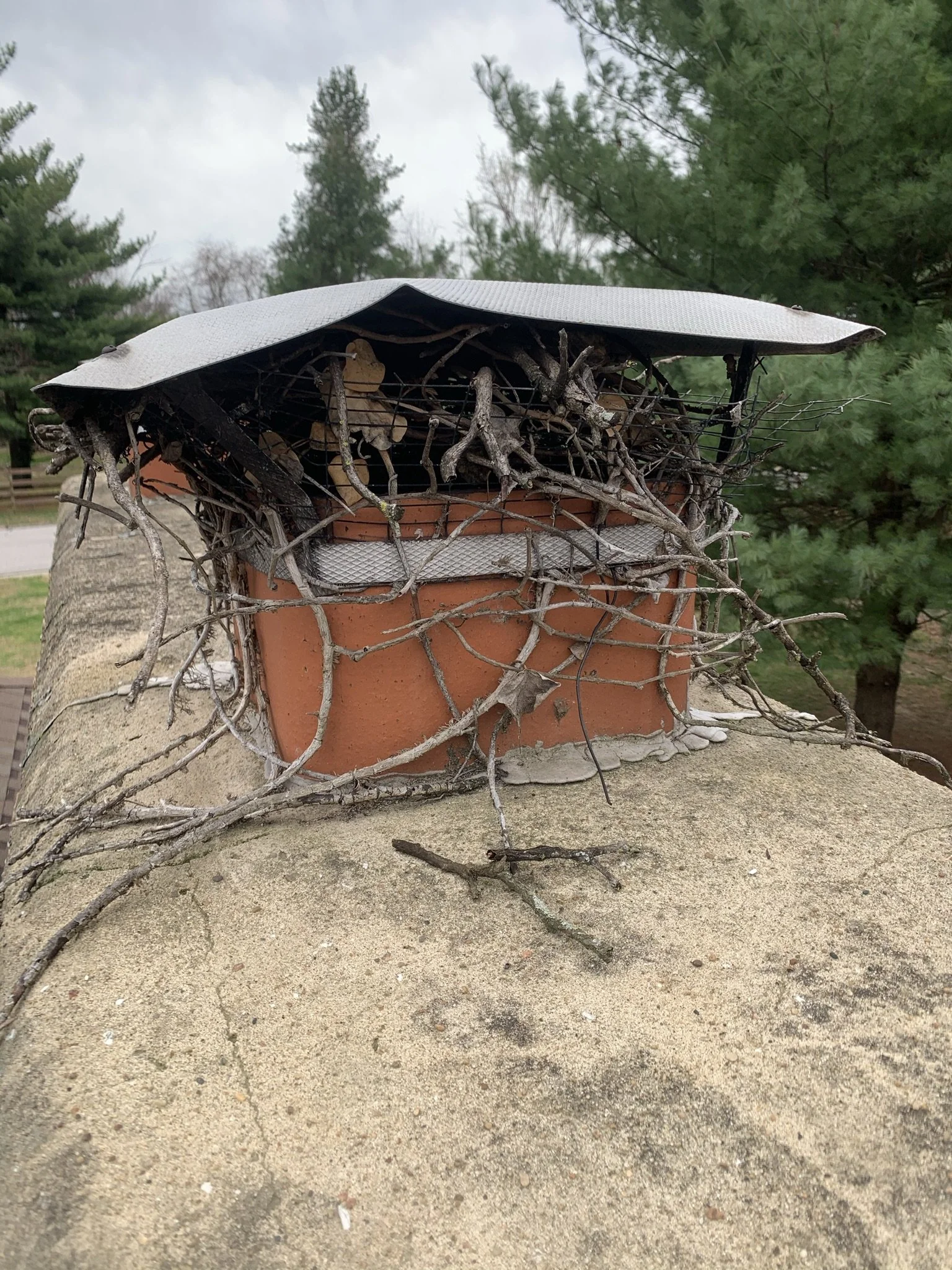
The Harm Presented From Flue Blockages and Flammable Debris
These blockages pose a significant risk to homeowners. The primary danger lies in reduced ventilation efficiency, which can lead to the buildup of toxic gases like carbon monoxide inside the home. Additionally, the accumulation of flammable materials heightens the risk of chimney fires. When a chimney’s airflow is restricted, it can cause smoke to back up into the house, leading to respiratory issues and potential smoke damage.
Solutions To A Clear Flue
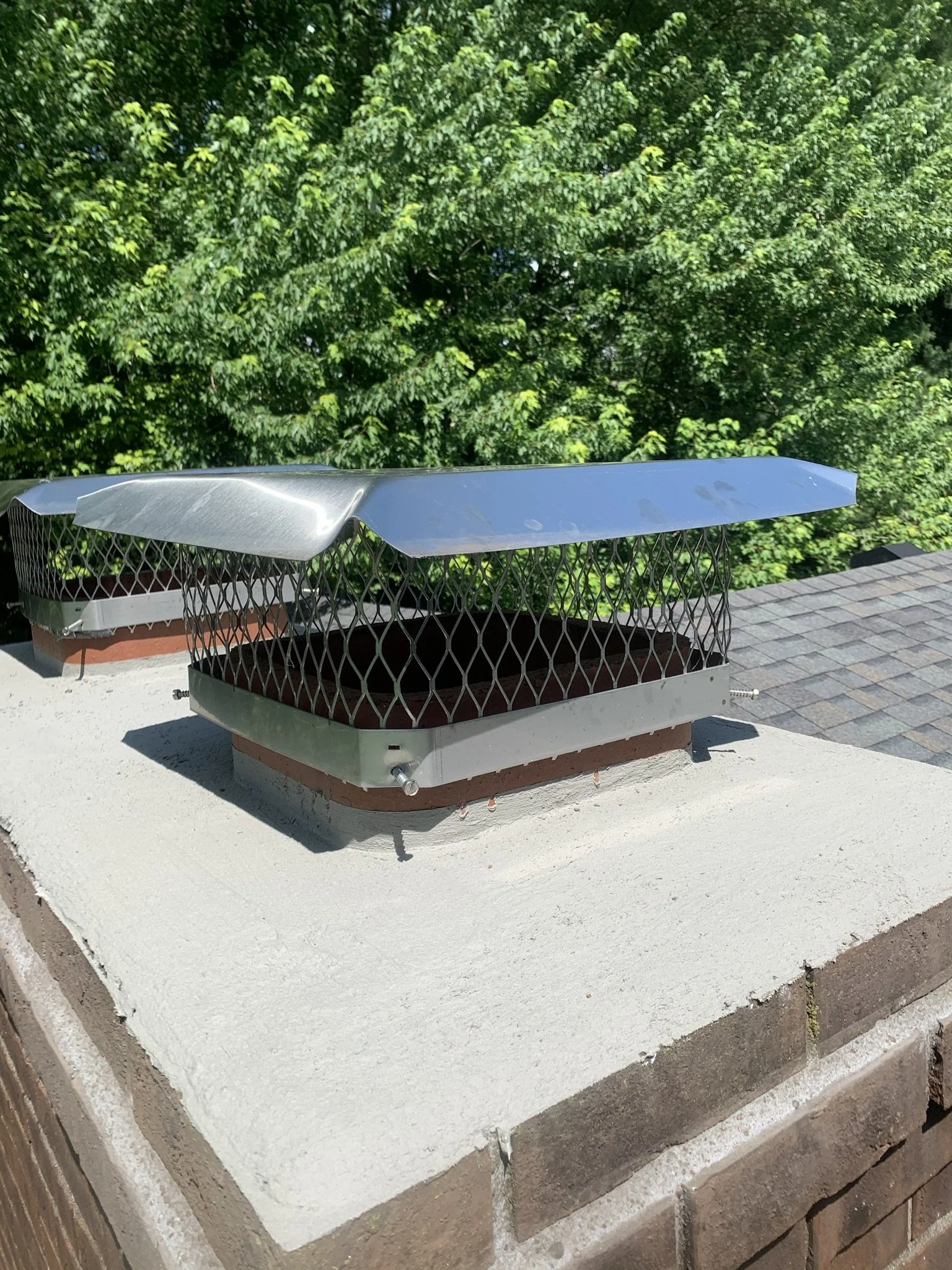
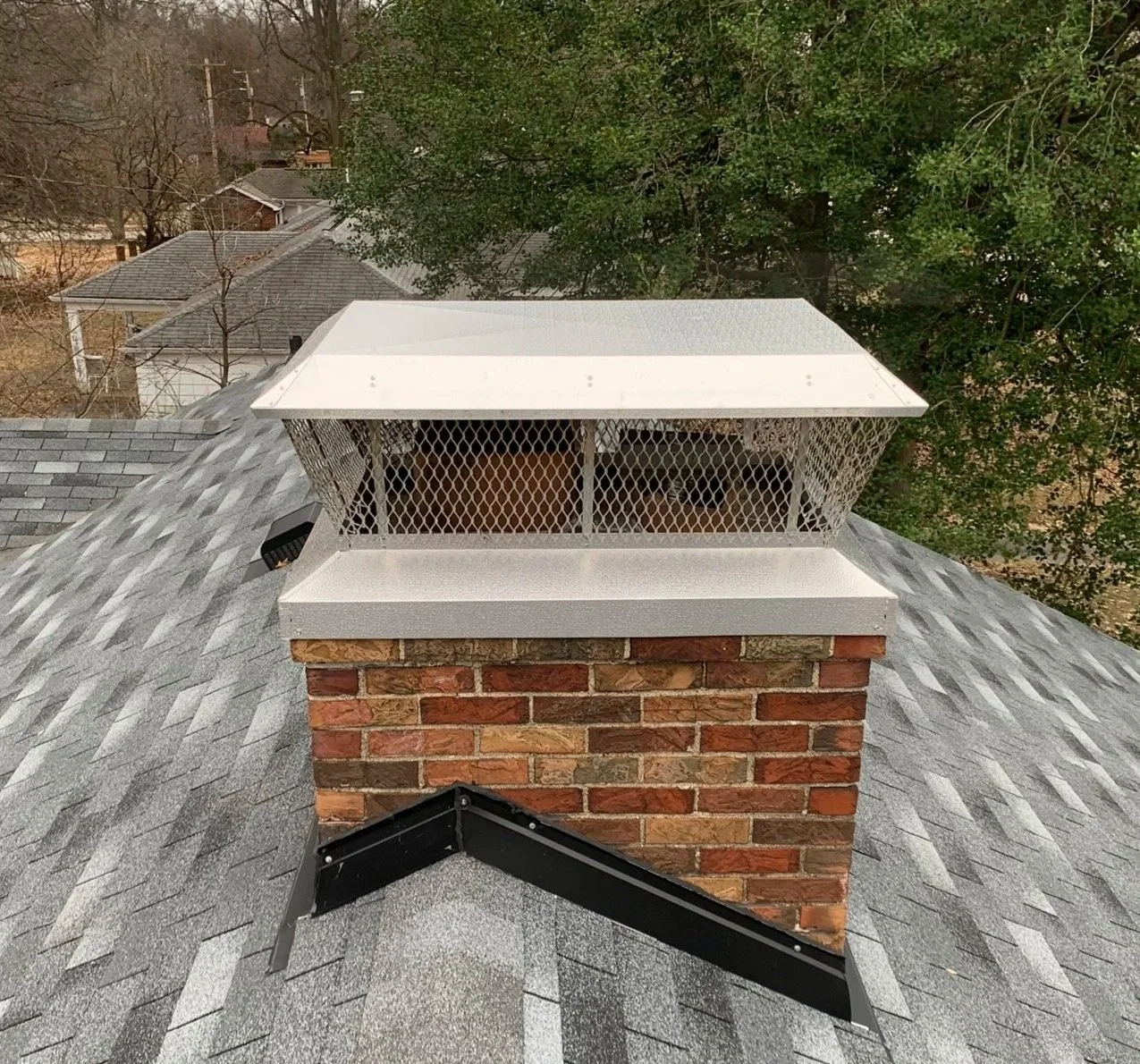
Fortunately, addressing these issues involves a few proactive steps. Regular chimney inspections and cleanings by professionals are paramount. Installing a chimney cap can effectively prevent animals from entering while still allowing smoke to escape. For those dealing with an existing animal problem, humane removal followed by thorough cleaning is essential.
In conclusion, while chimneys might seem an insignificant part of the home, they play a crucial role in maintaining a safe and comfortable living environment. By understanding the potential issues posed by animal debris and taking preventative measures, homeowners can ensure their chimneys function efficiently, keeping their homes safe and warm throughout the year. Regular maintenance not only protects your home but also respects the wildlife seeking shelter, striking a balance between human and nature.