

Improper Clearance To Combustibles
Too Close For Comfort: Improper Clearance To Combustibles
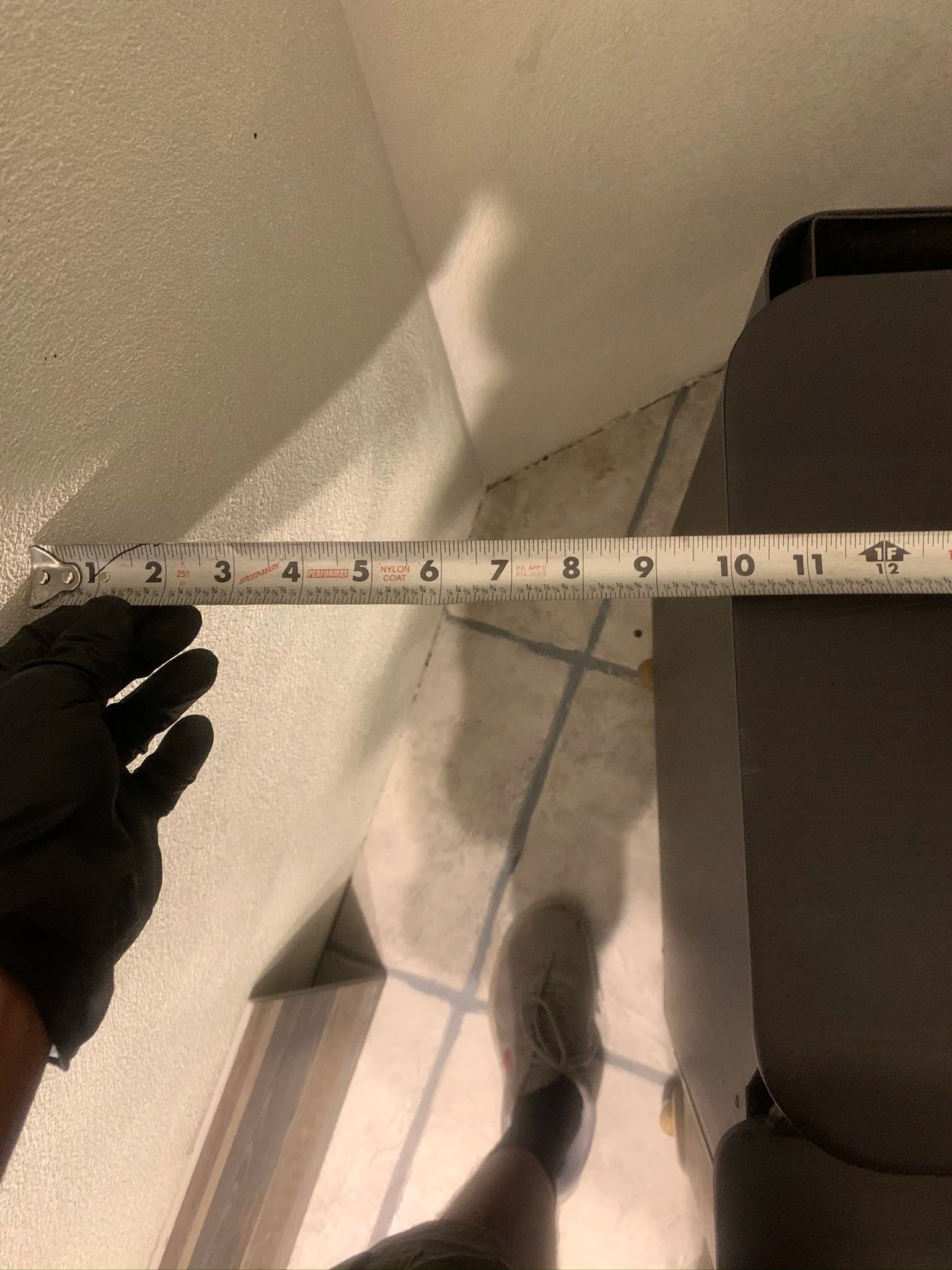
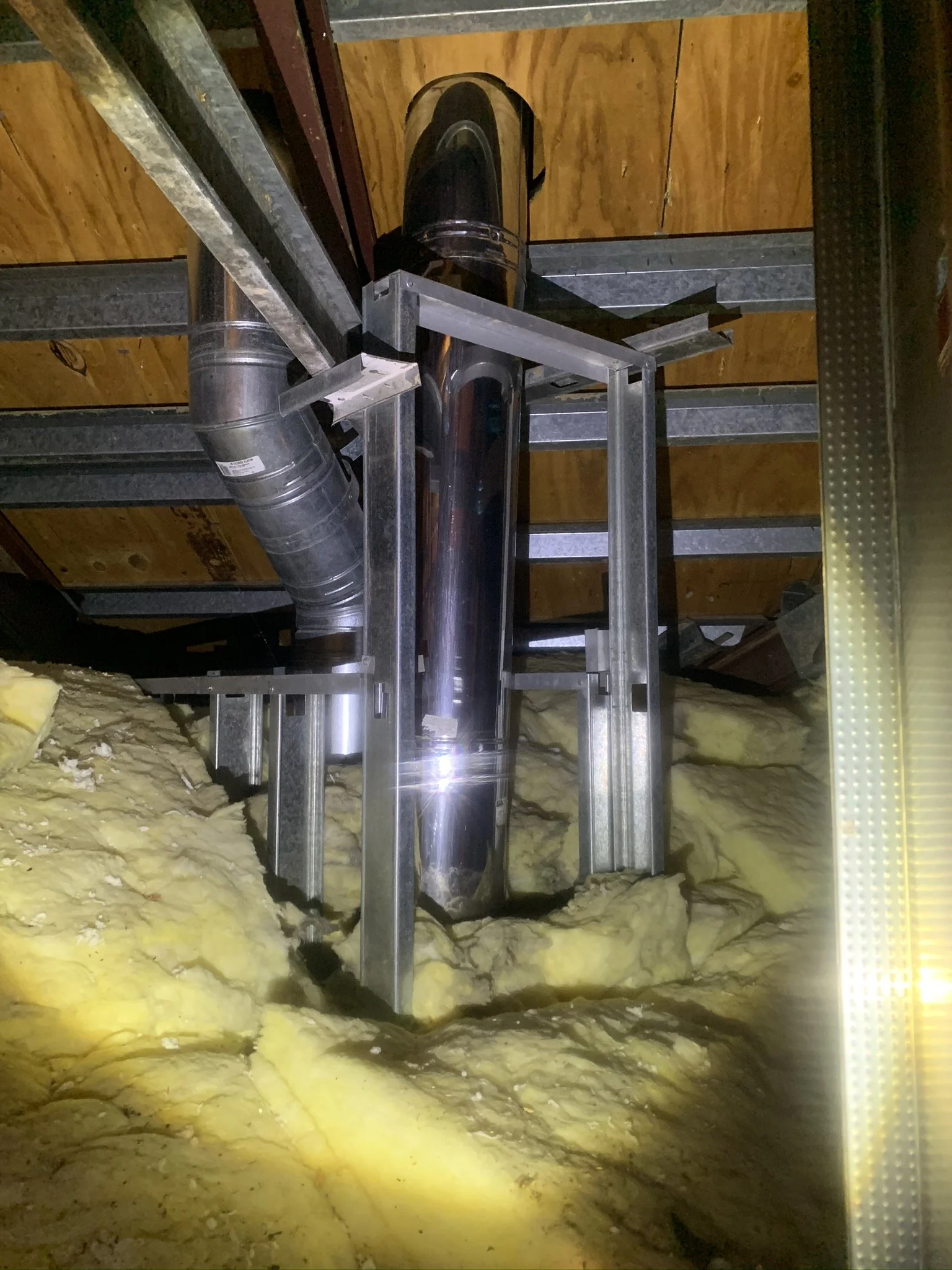
When it comes to the warm embrace of a crackling fireplace or the rustic charm of a wood stove, safety should always be a top priority. One crucial aspect of fireplace and wood stove safety is maintaining proper clearance to combustibles with the firebox, connector pipes, and pass-through connectors. This is not just a matter of following guidelines—it's about preventing the silent threat of pyrolysis.
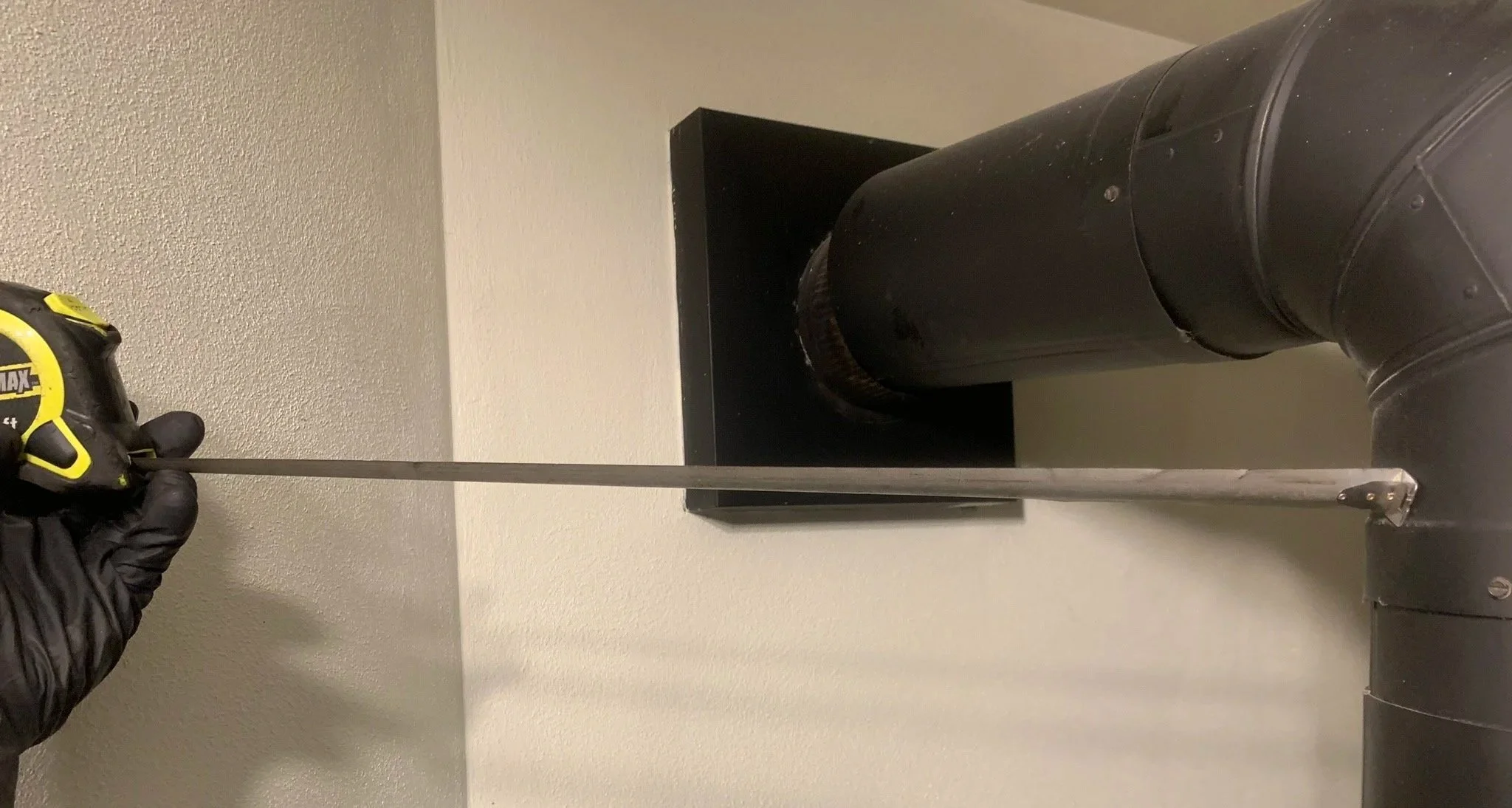
The Harm Presented From Heat Transfer Or Pyrolysis
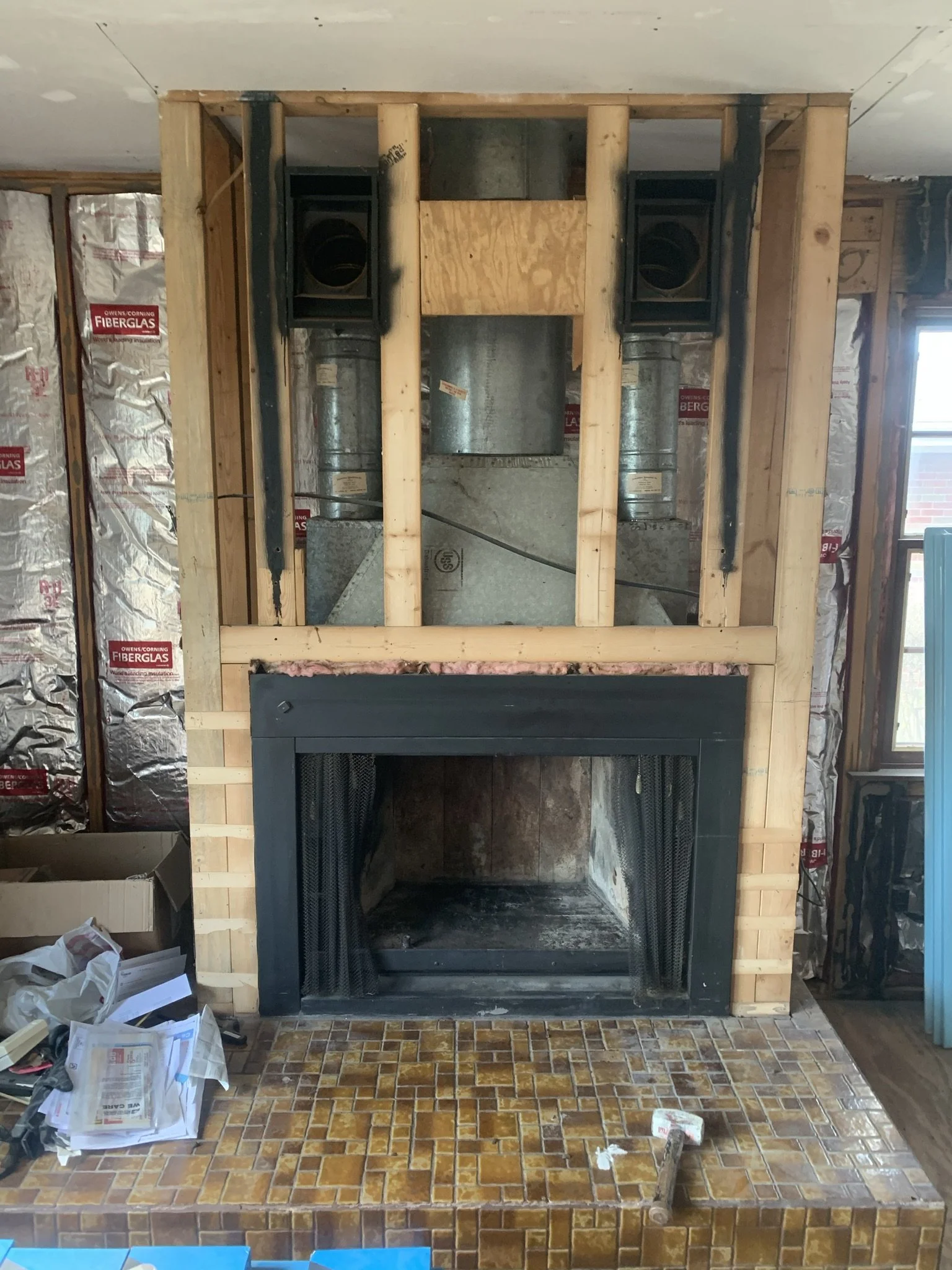
Pyrolysis, a process where organic material is chemically altered due to heat exposure, eventually reducing its ignition temperature; can lead to devastating consequences, turning what was once a cozy corner of your home into a potential fire hazard. The dangers it presents are not only structural but also life-threatening, as ignited combustibles can quickly escalate into uncontrolled fires. Over time, even seemingly safe distances can become hazardous as wood and other materials are exposed to chronic heat.
Solutions to Address Chimney Spalling and Mortar Deterioration
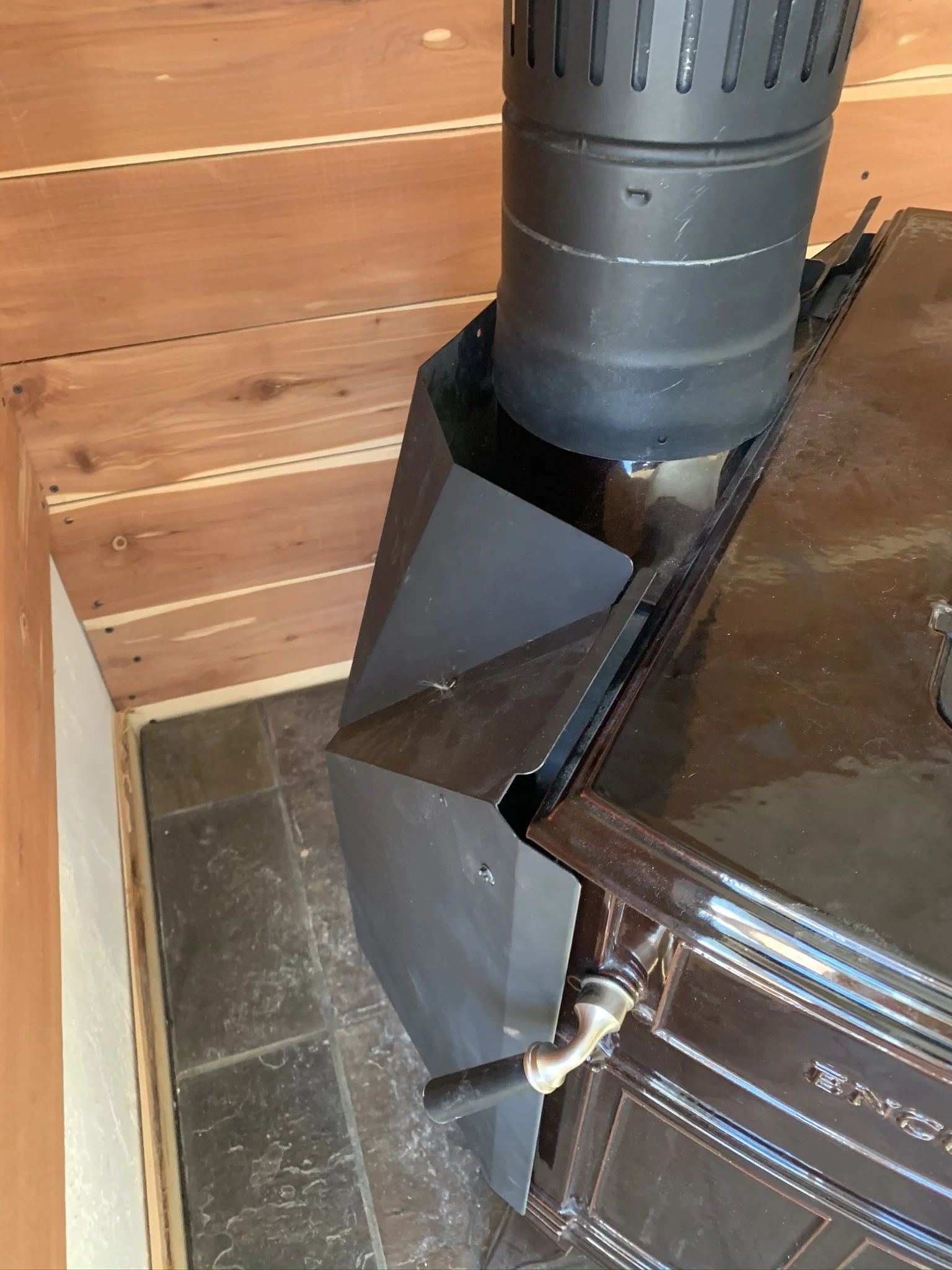
To mitigate such risks, it's essential to adhere to proper clearance recommendations. This often involves using non-combustible materials to shield nearby surfaces, installing heat shields to deflect heat, and ensuring the installation meets or exceeds the National Fire Protection Association (NFPA) 211 guidelines, UL Listings, and the Manufacturer’s Instructions.
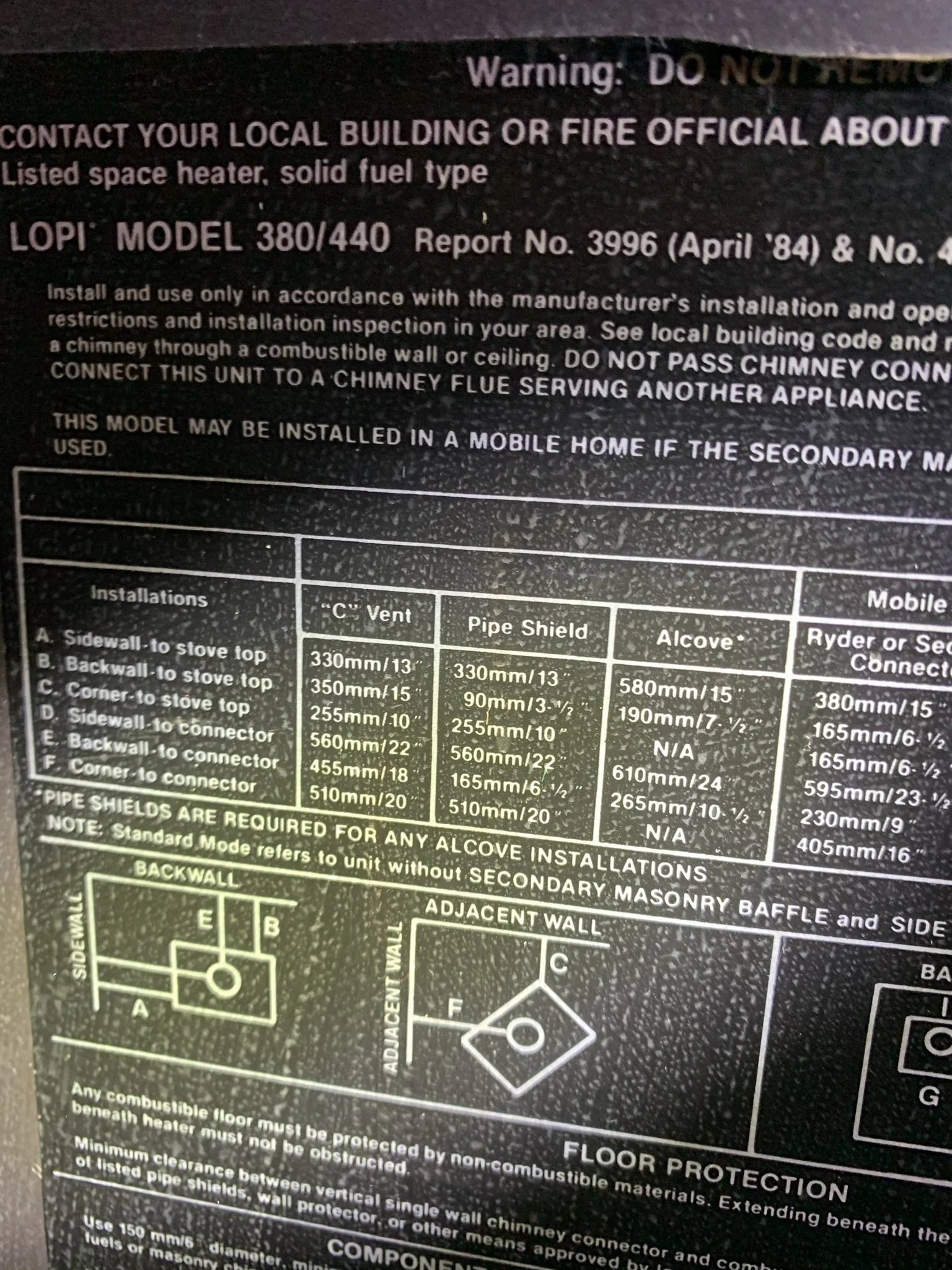
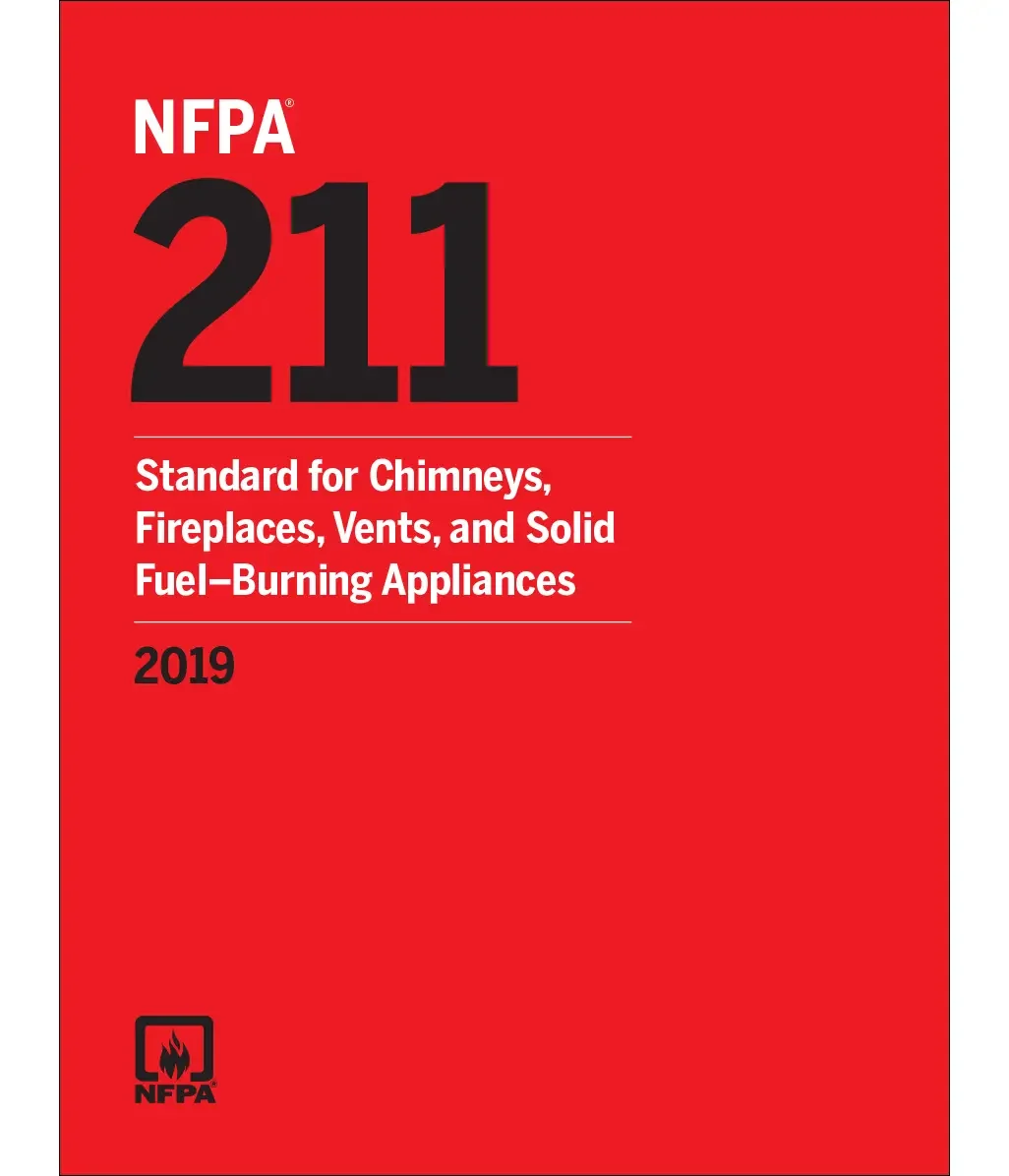
In conclusion, the cornerstone of fireplace and wood stove safety is the "3-foot rule," which advises keeping any combustible materials at least three feet away from heat sources. Clearance reduction may be available but should be consulted with a professional Chimney Sweep. Alongside this, adhering to NFPA 211 clearance guidance is crucial for ensuring a safe and warm home environment. Finally, always have a fire extinguisher readily accessible in the vicinity of your fireplace or wood stove. This simple step can provide peace of mind and a first line of defense in case of an emergency, allowing you to enjoy your hearth with confidence and tranquility.