

Shallow Hearth Extension Measurements For Firebox
Understanding Clearance To Combustibles: A Shallow Hearth Extension
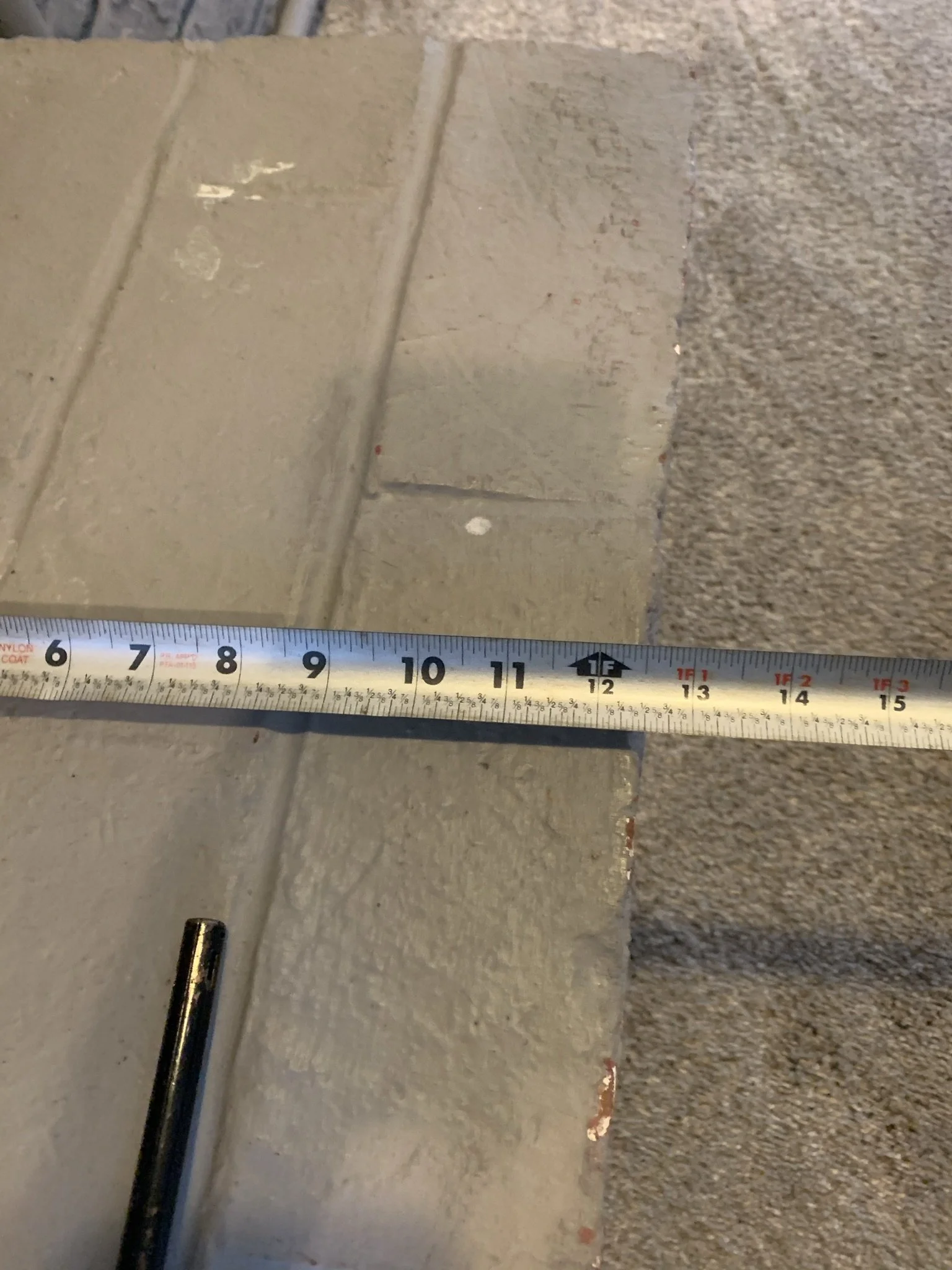
When it comes to installing or renovating a fireplace, one crucial yet often overlooked aspect is the hearth extension measurement. A hearth extension is the non-combustible floor area in front of and surrounding a fireplace, and its proper sizing is vital for both safety and functionality. Unfortunately, shallow hearth extensions can arise from a lack of awareness or incorrect calculations during the design phase. Homeowners or contractors may underestimate the necessary coverage, focusing instead on aesthetics or spatial constraints, which can lead to significant safety risks.
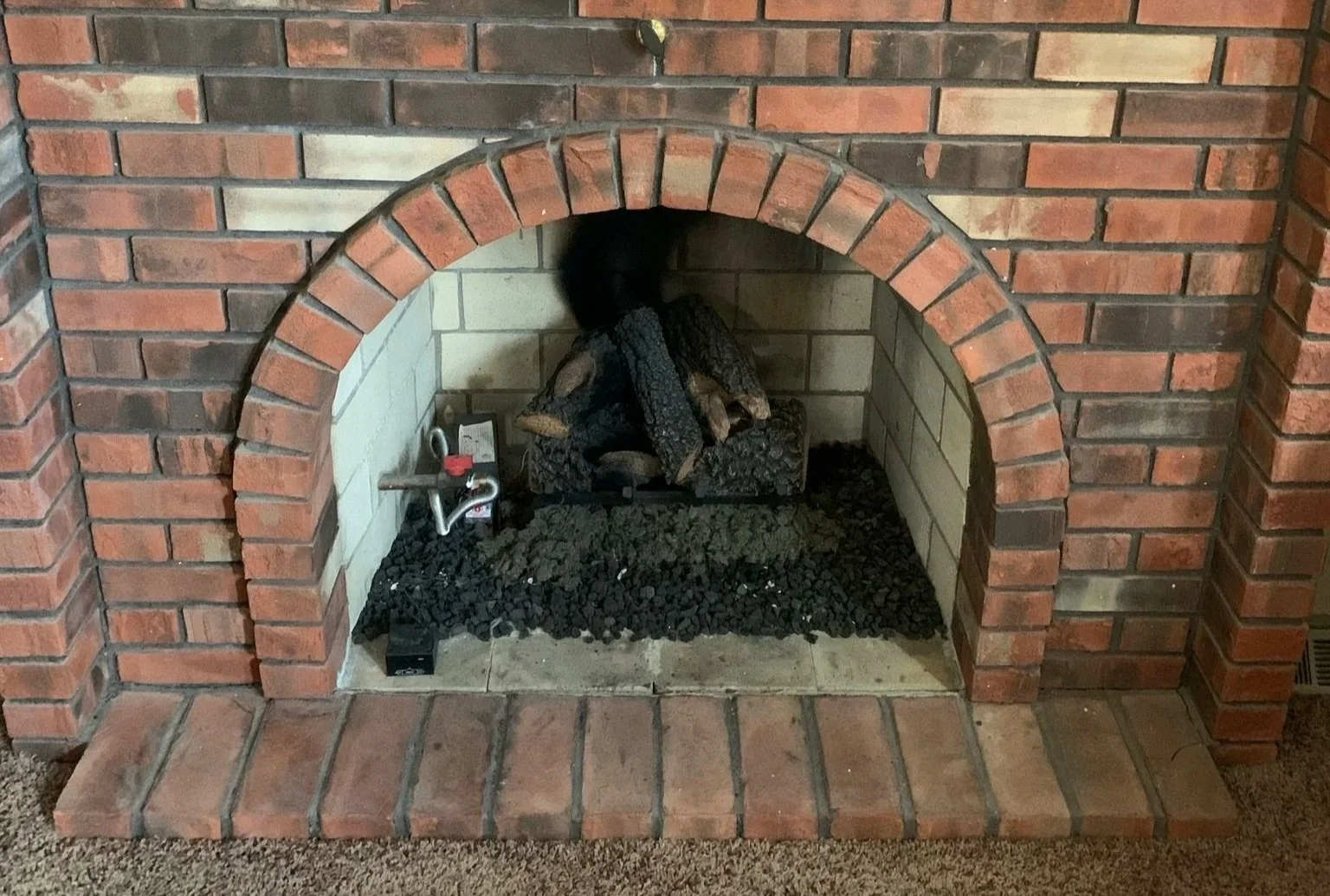
A properly sized hearth extension matches the size of the opening of the firebox it serves.
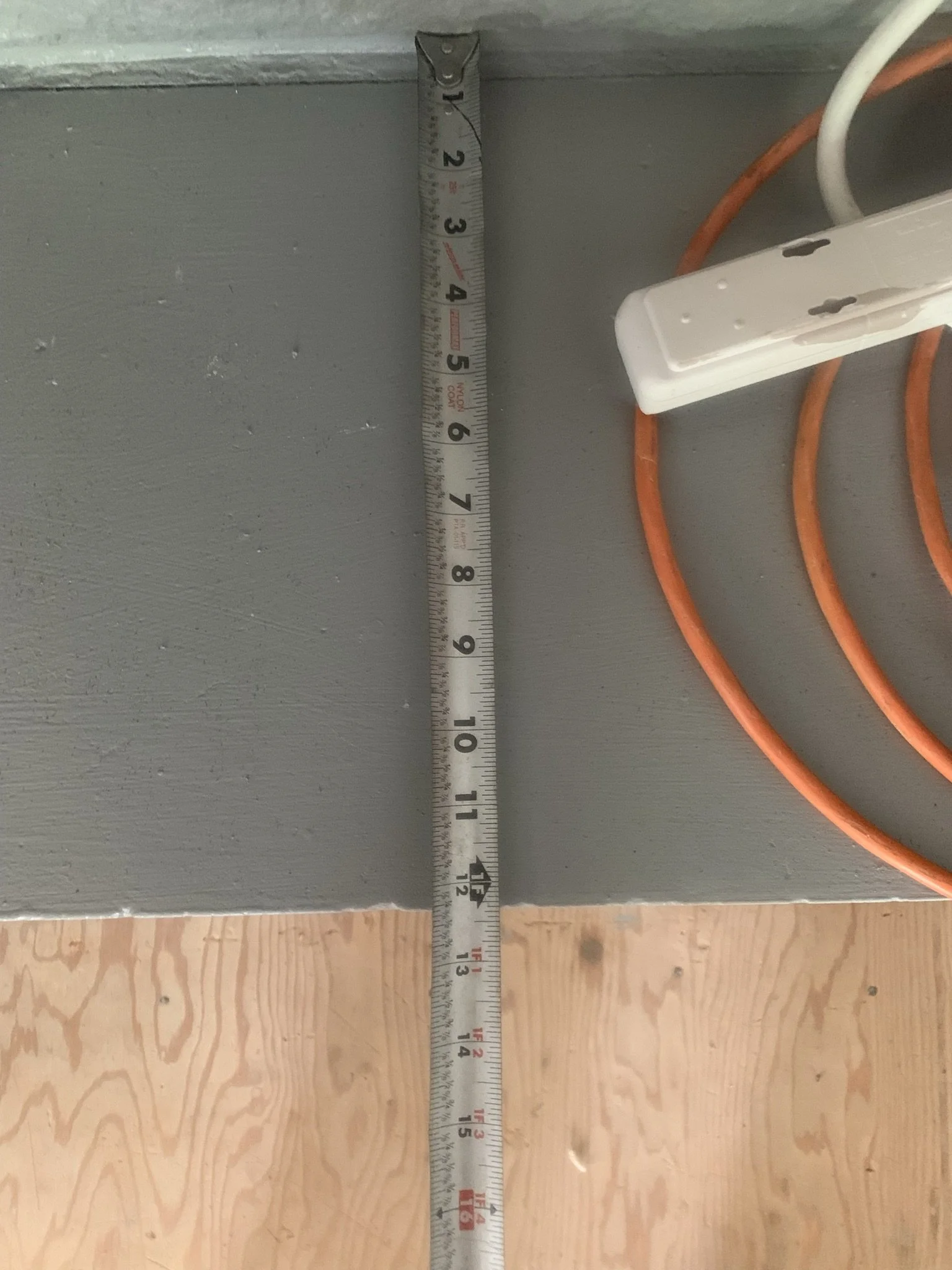
(2016) NFPA 211 11.3.3 “Where the fireplace opening is less than 6 ft² (0.56m²), the hearth extension shall extend as follows: (1) At least 16"in. (406mm) in front of the facing material. (2) At least 8in. (203mm) beyond each side of the fireplace.”
(2016) NFPA 211 11.3.4 “Where the fireplace opening is 6 ft² (0.56 m²) or larger, the heart extension shall extend as follows: (1) At least 20 in. (508mm) in front of the facing material. (2) At least 12 in. (305mm) beyond each side of the fireplace opening.”
(2016) NFPA 211 11.3.5 “Where a fireplace is elevated above or overhangs a floor, the hearth extension also shall extend over the area under the fireplace.”
Hearth Extension Hazards In Plain Sight
The dangers of improperly sized hearth extensions cannot be overstated. A too-small hearth extension may fail to contain embers, sparks, or rolling logs, which can lead to fire hazards as these hot materials come into contact with combustible flooring or furnishings. Moreover, the risk of burns and injuries increases, particularly in homes with children or pets. Additionally, inadequate hearth extensions may not comply with building codes and regulations, potentially resulting in legal implications or issues with home insurance claims.
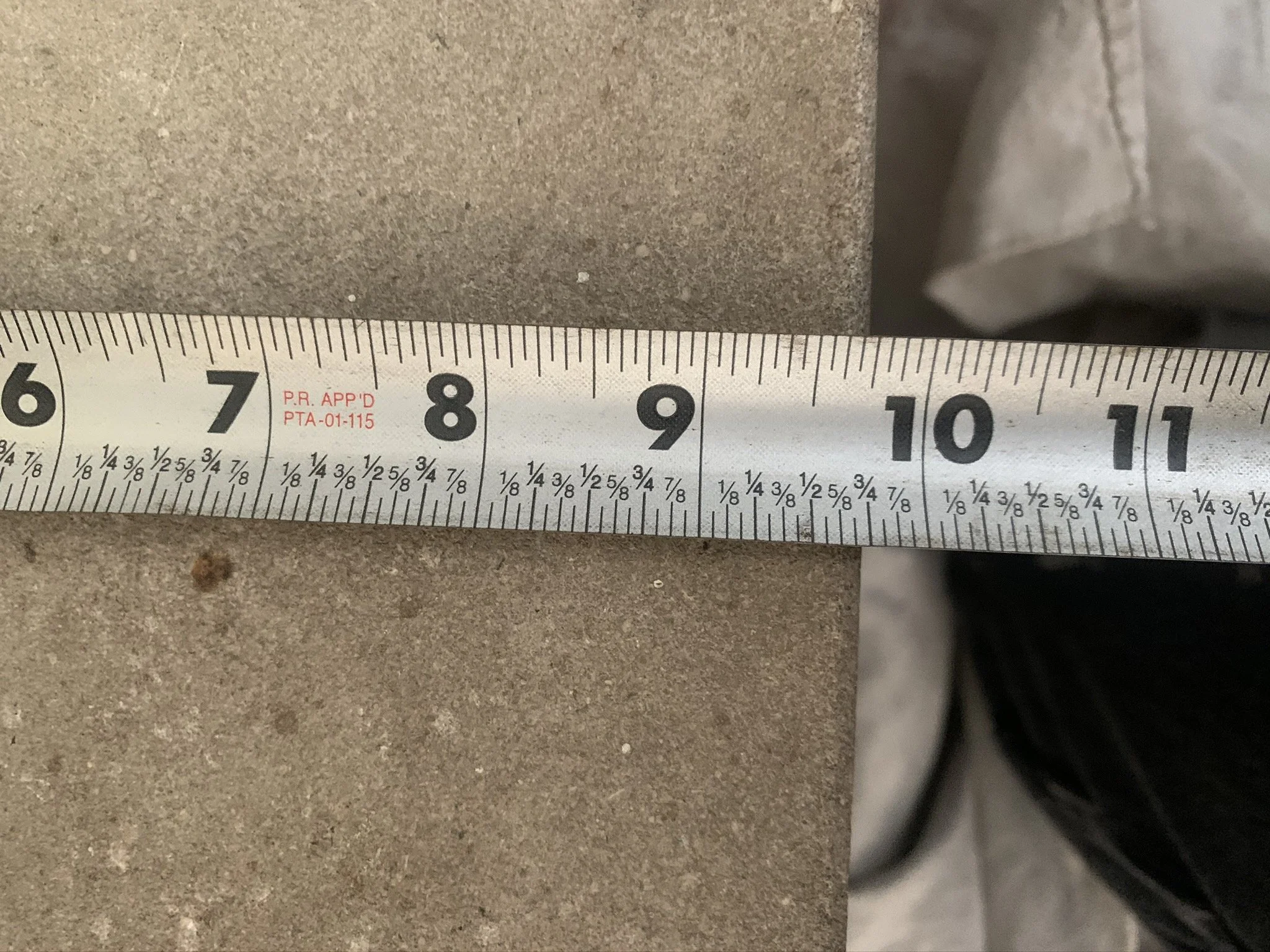
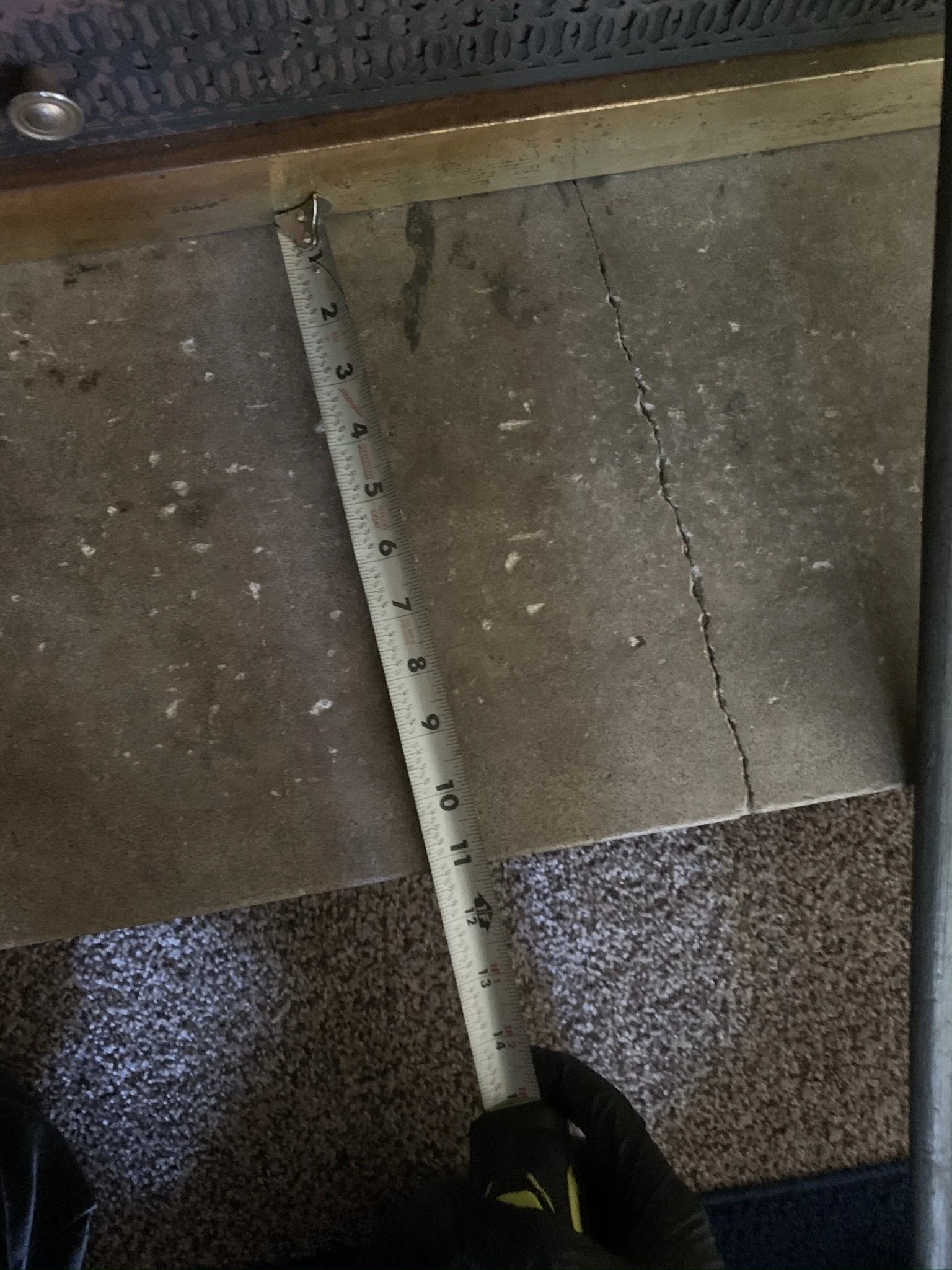
The Solution For Damaged or Missing Refractory Panels
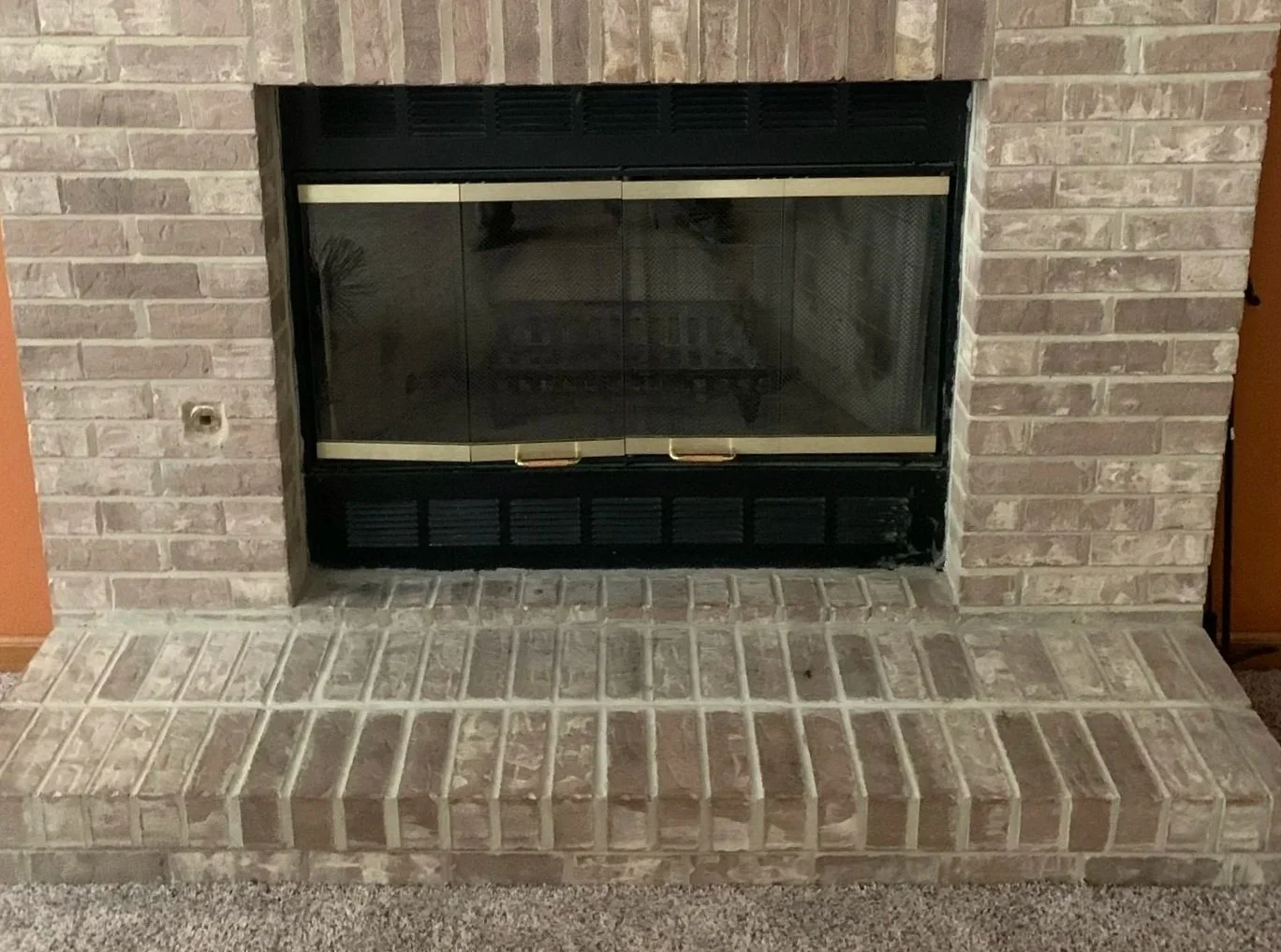
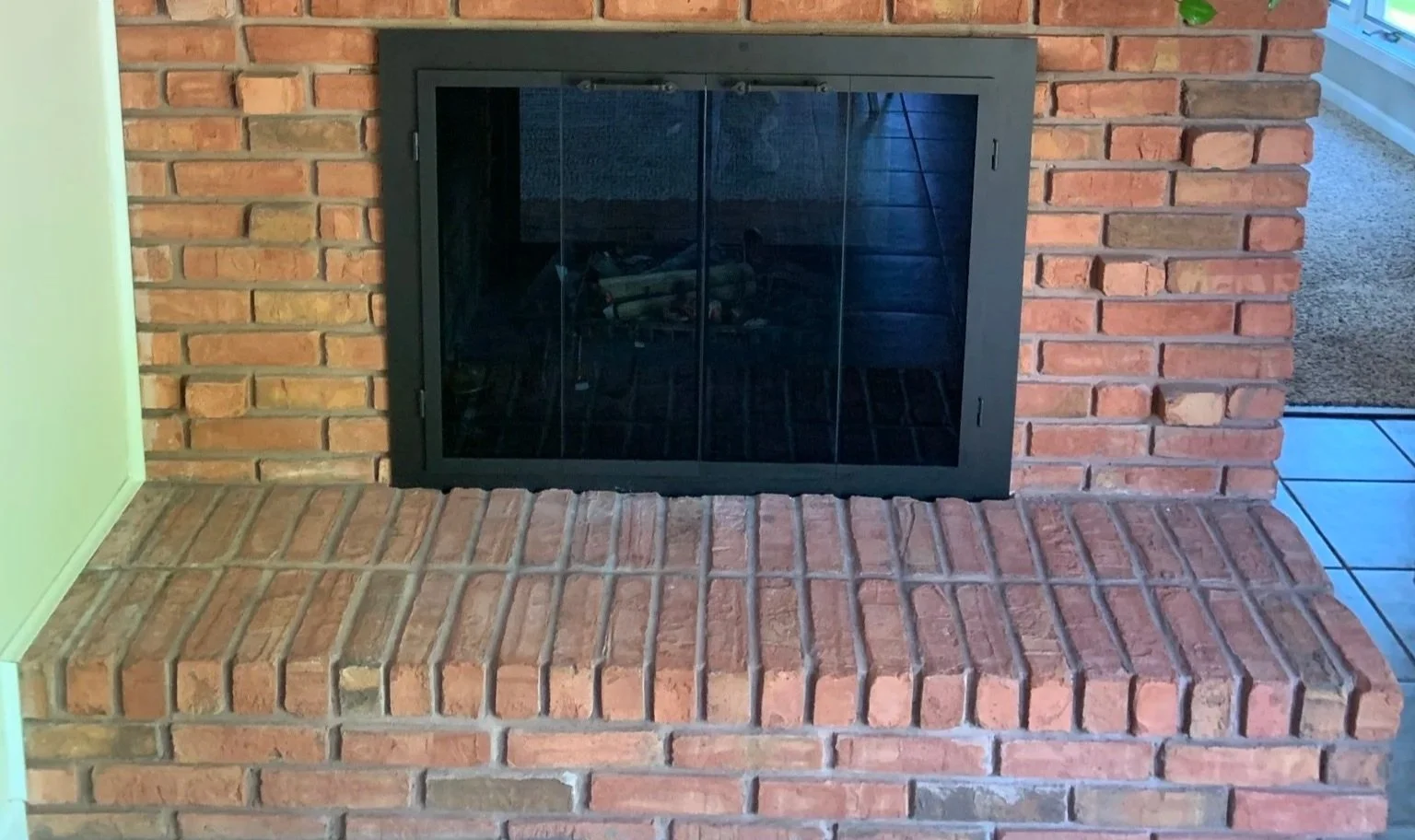
Fortunately, solutions are available for those with existing shallow hearth extensions or those planning new installations. To address this, one can extend the hearth using matching or complementary materials to ensure aesthetic coherence while providing adequate coverage. Consulting with a professional is advisable to ensure compliance with safety standards and local building codes. For new builds, prioritizing the correct measurements from the outset is key, taking into account the type of fireplace and the expected usage to determine the appropriate size.
In conclusion, proper hearth extension measurements are not just a legal requirement but a crucial component of home safety and comfort. By understanding the causes and dangers of shallow extensions, and exploring viable solutions, homeowners can create a safe and inviting environment around their fireplaces. Whether you are renovating or building anew, taking the time to get the hearth extension right is a small investment with significant returns in safety and peace of mind.