

Cracked or Receding Masonry Chimney Crowns
Understanding Cracked or Receding Masonry Chimney Crowns: Causes, Hazards, and Solutions
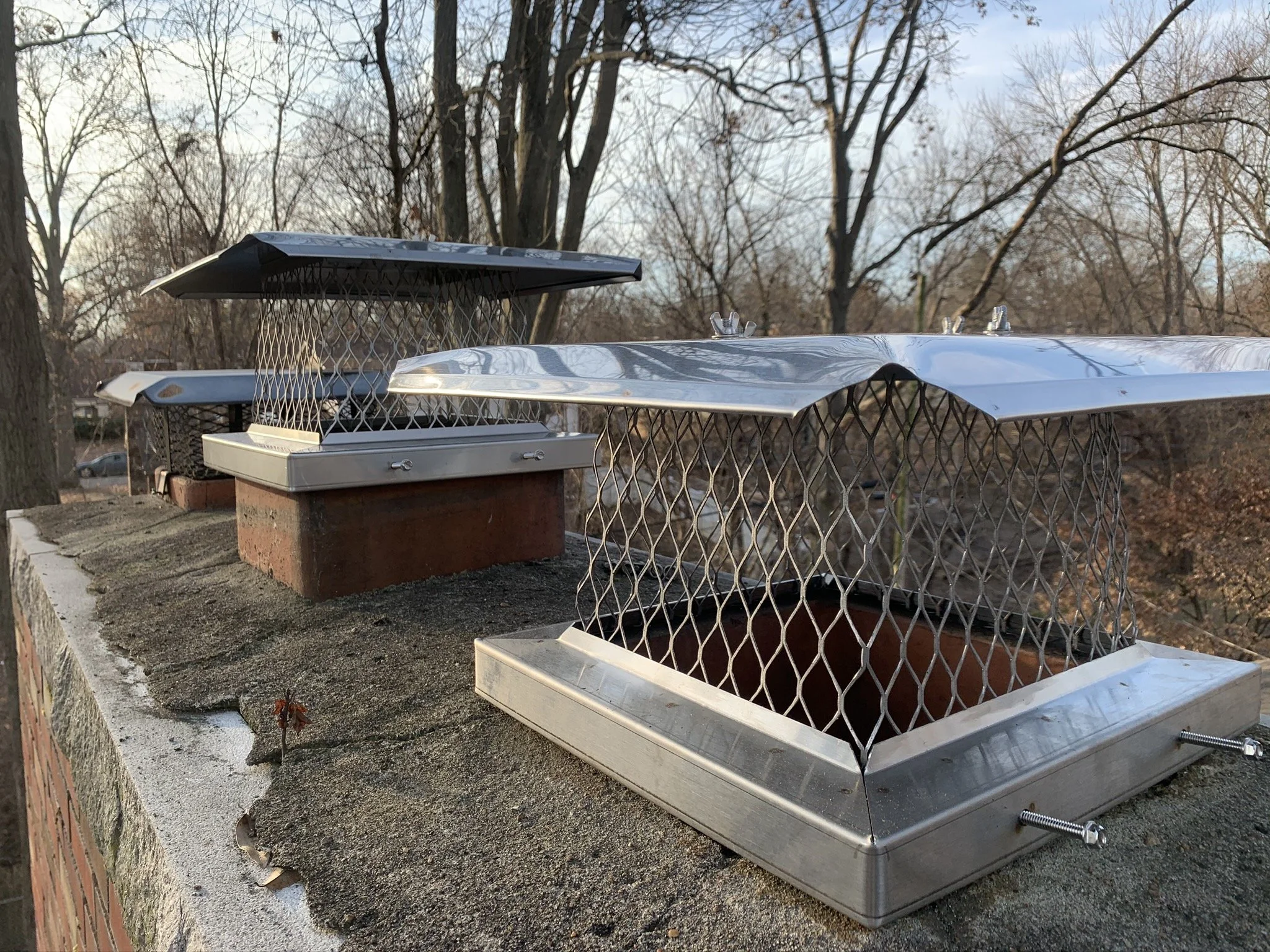
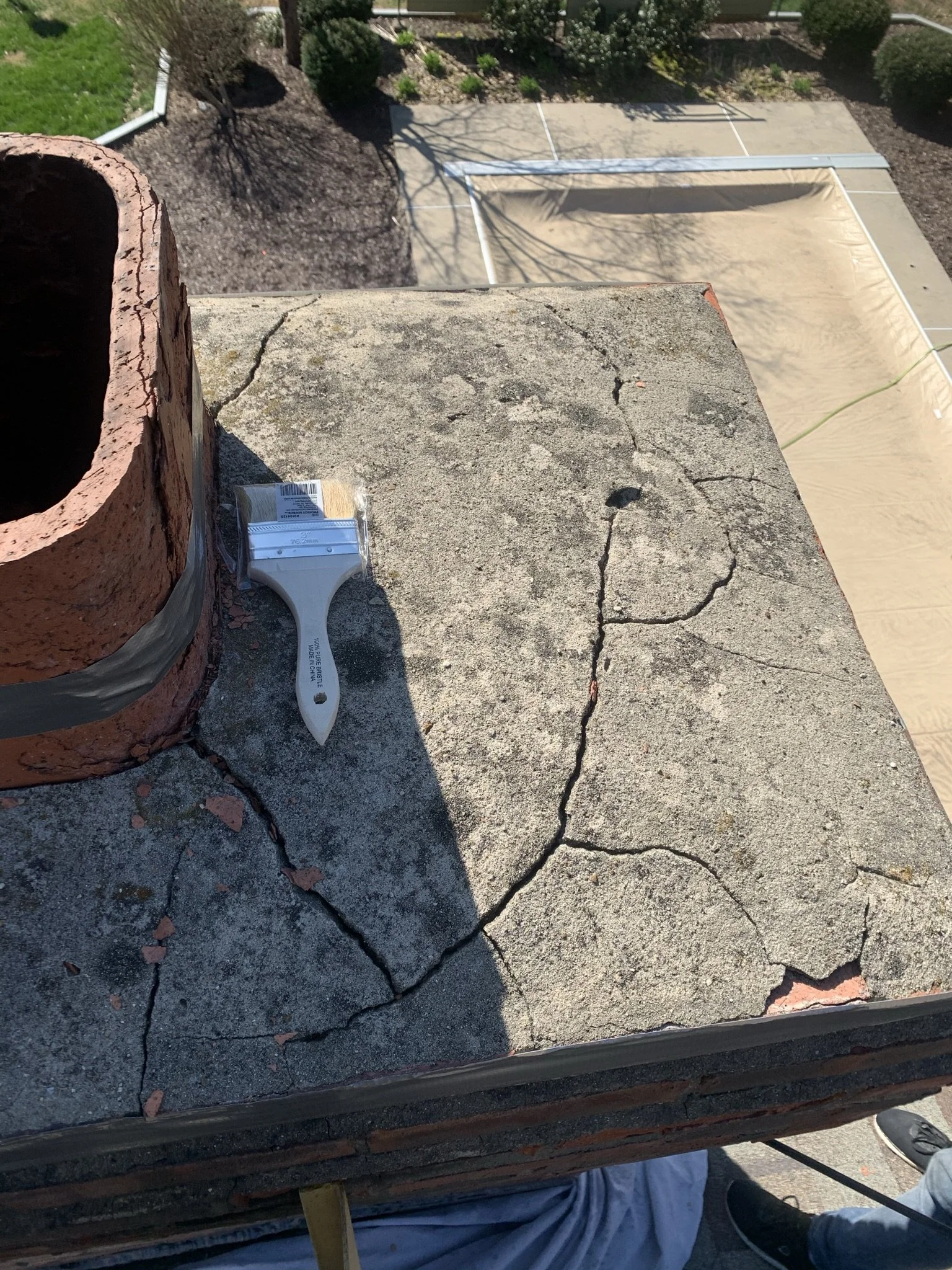
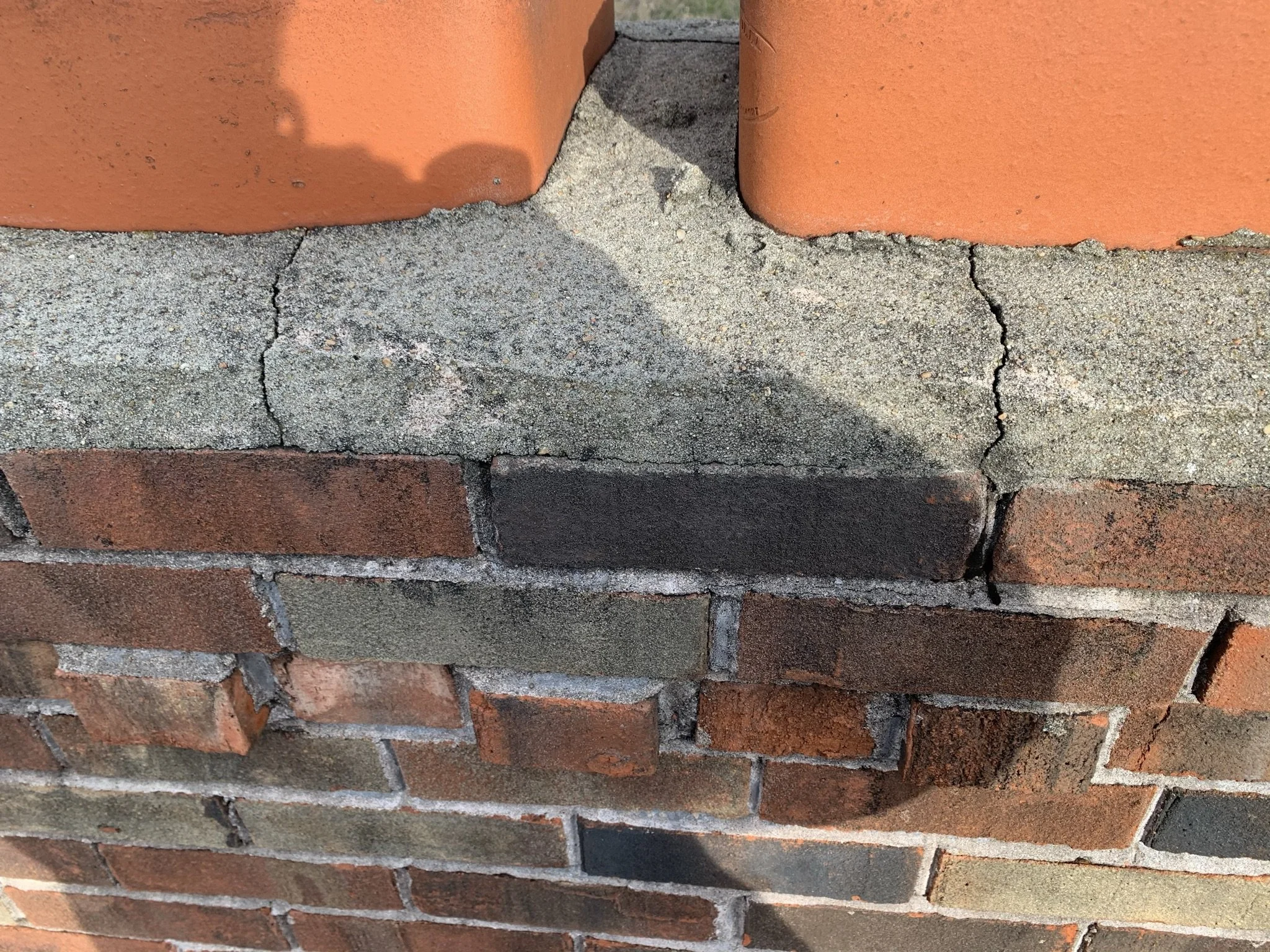
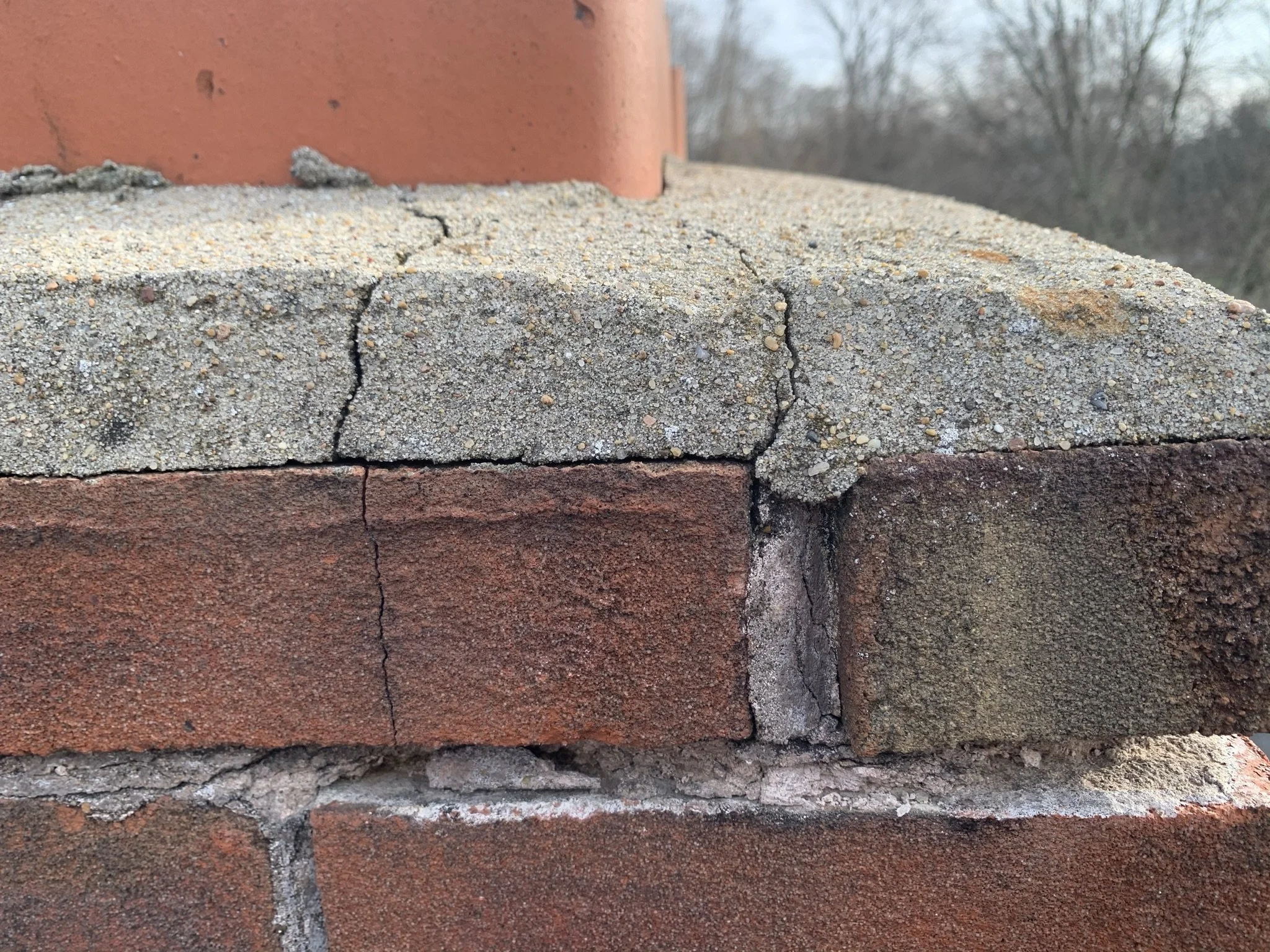
Masonry chimney crowns are the protective tops of chimneys, designed to shield the underlying structure from the elements. However, over time, these crucial components can suffer from cracking or receding mortar, cement, or concrete, leading to a host of potential issues. Understanding the causes and implications of these problems, as well as the available solutions, is vital for maintaining a safe and functional chimney. Cracked or receding chimney crowns are often the result of several factors. One of the primary causes is weather-related damage. Extreme temperatures can cause the materials in the crown to expand and contract, eventually leading to cracks. Moreover, poor initial construction or the use of substandard materials can exacerbate the issue. Water infiltration is another major contributor, as it seeps into small cracks, freezes, and causes further expansion and deterioration.
Hazards of Damaged Chimney Crowns
The hazards posed by cracked or receding chimney crowns are significant. Water penetration is a major concern, as it can lead to structural damage within the chimney itself, causing bricks to loosen and mortar to crumble. This not only compromises the integrity of the chimney but also poses a safety risk to the home. Additionally, a damaged crown can allow moisture to seep into the interior walls of a home, leading to mold growth and further structural damage. In severe cases, it can also increase the risk of chimney fires due to creosote buildup.
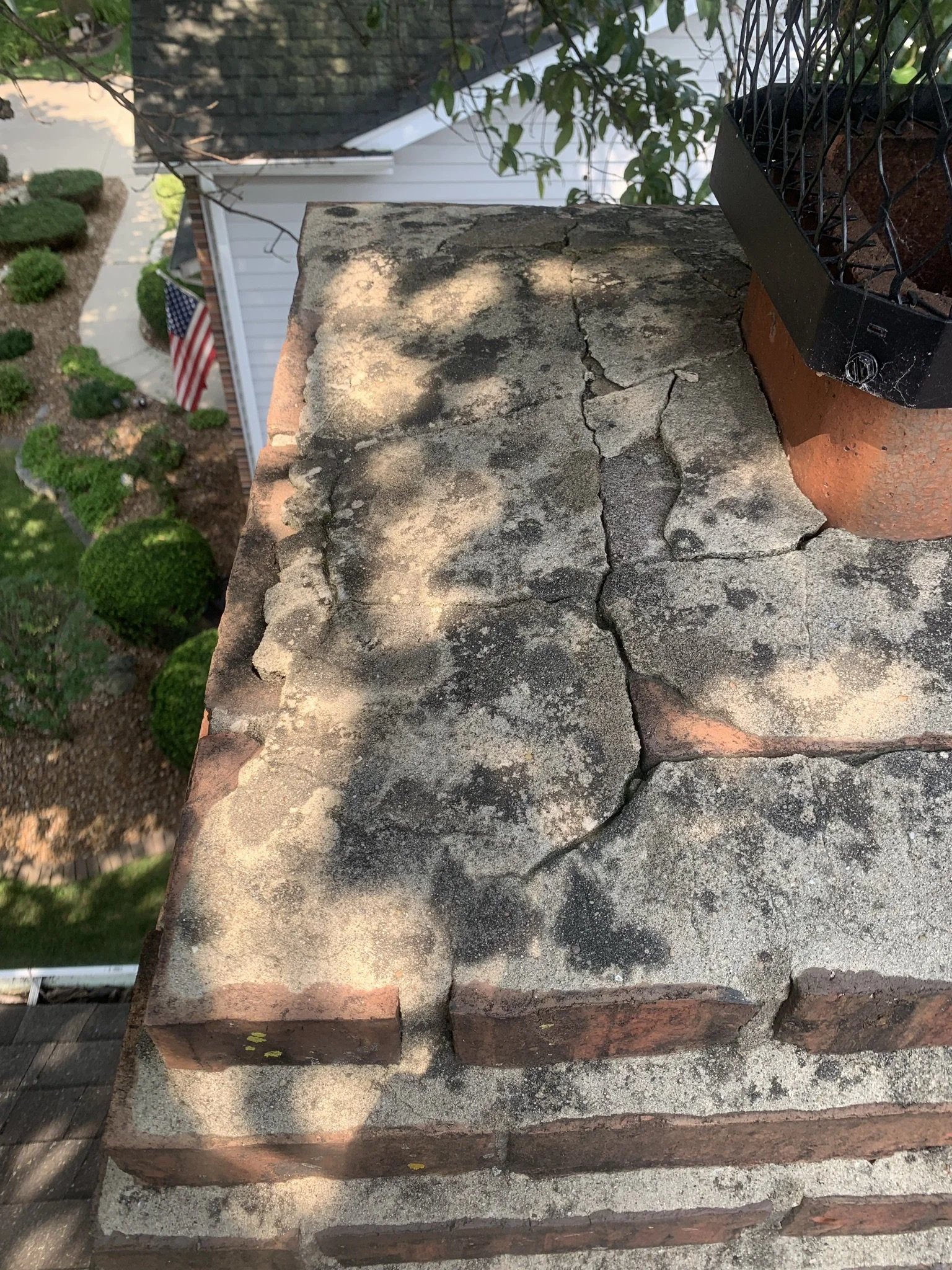
Solutions for Repairing Chimney Crowns
Addressing issues with chimney crowns requires timely intervention. For minor cracks, applying a waterproof sealant can prevent further water infiltration and damage. More extensive damage may require a professional chimney service to rebuild or replace the crown entirely. Regular inspections and maintenance, such as cleaning and minor repairs, can also help prevent issues from escalating and extend the lifespan of the chimney.
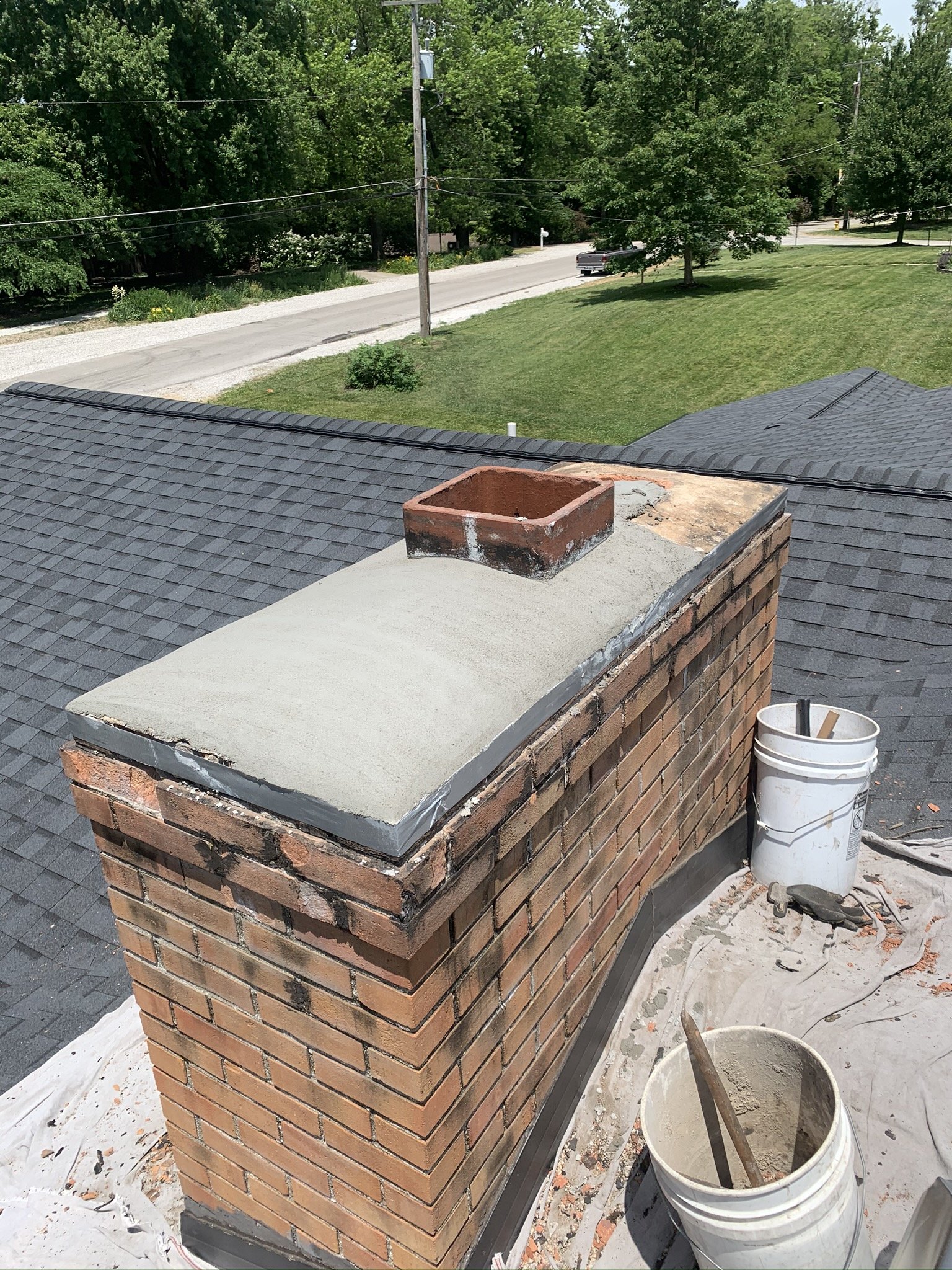
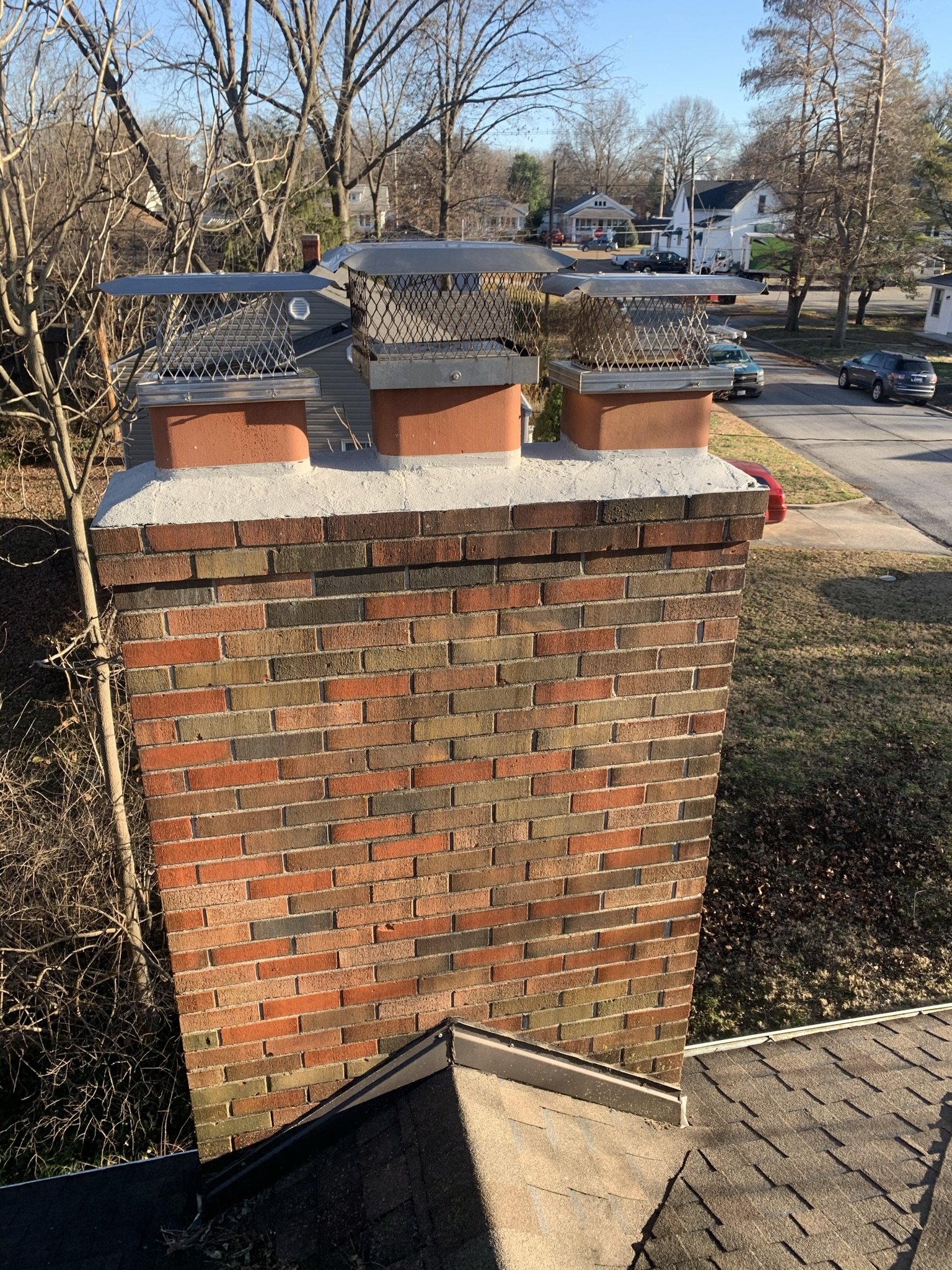
In conclusion, masonry chimney crowns play a critical role in protecting your chimney from the elements. Understanding the causes and hazards associated with cracked or receding crowns is essential for maintaining a safe home environment. By taking proactive measures and seeking professional assistance when needed, homeowners can ensure their chimneys remain functional and secure, preventing costly repairs and hazards down the line. Regular maintenance and timely repairs are the keys to preserving the integrity of your home’s chimney structure.