

Cracked, Pitted, or Missing Refractory Panels
Cracked, Pitted, or Missing Refractory Panels in Fireplaces: What You Need to Know
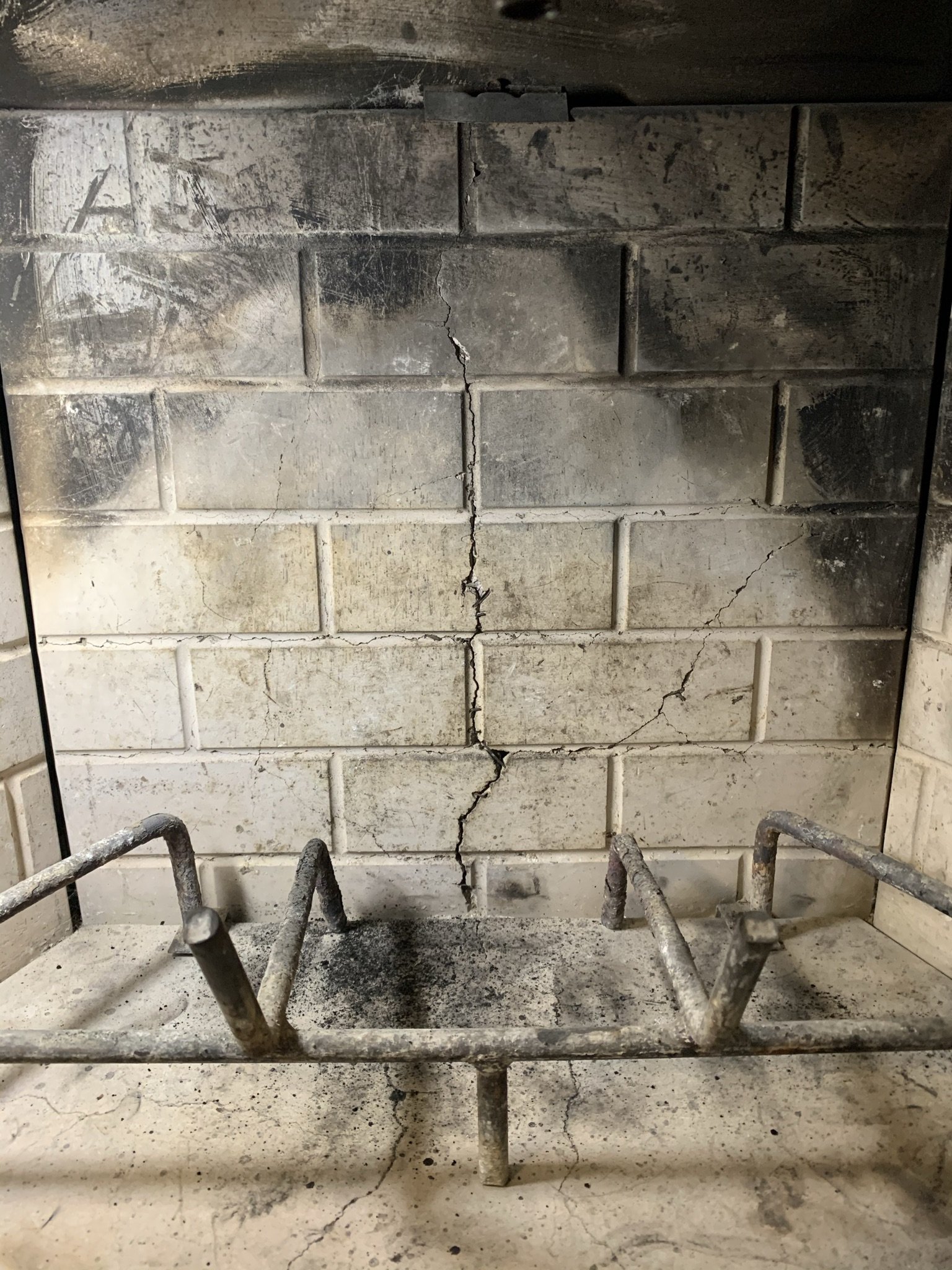
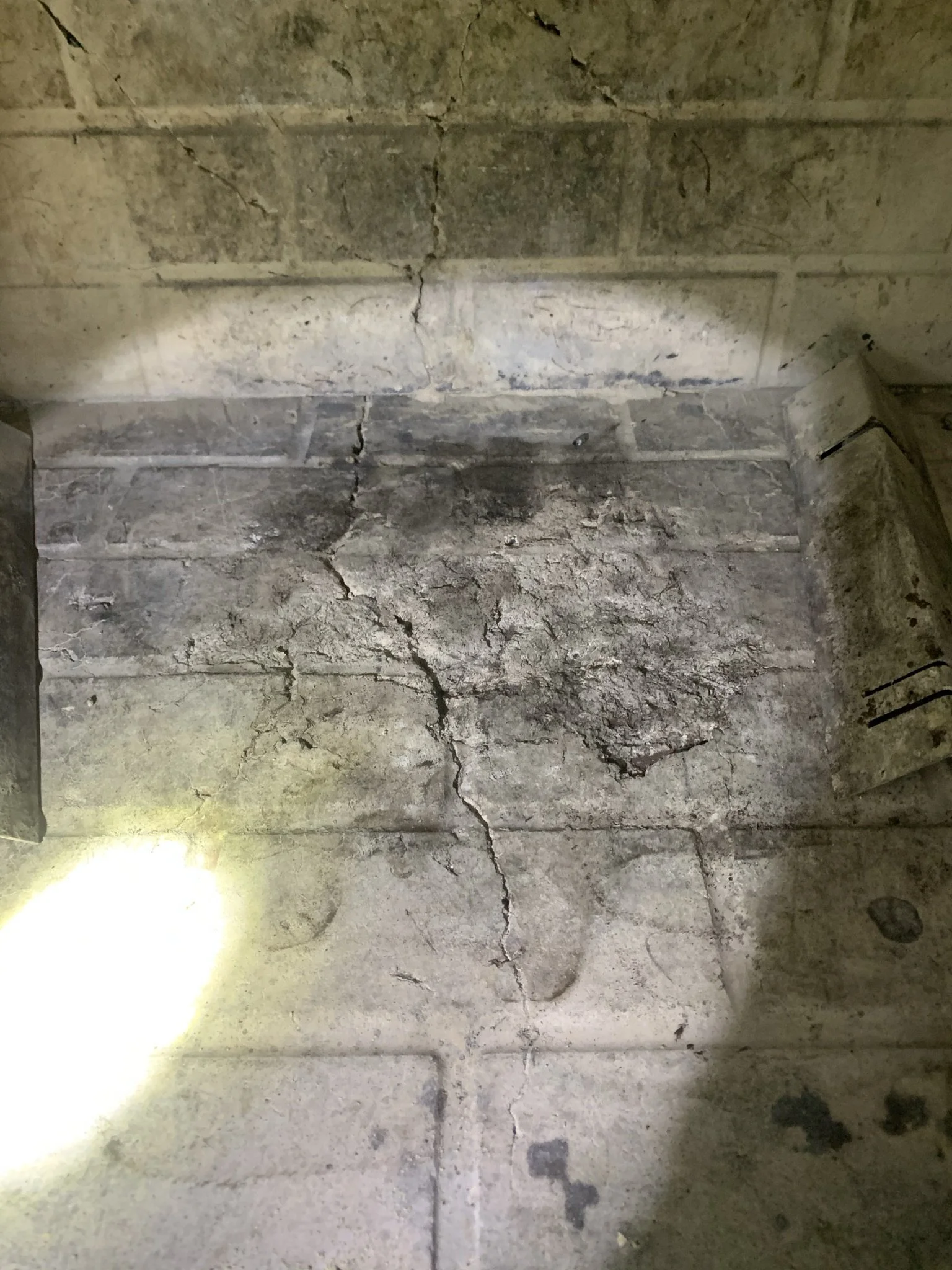
Prefabricated fireplace safety and efficiency depend significantly on the condition of their refractory panels. These panels line the fireplace, protecting the surrounding structure from intense heat and ensuring efficient combustion. Over time, refractory panels can become cracked, pitted, or even missing, leading to potential hazards.
The primary causes of damage to refractory panels include thermal stress, age, and improper use. Continuous exposure to high temperatures gradually wears down the panels, causing them to crack. If a fireplace is used frequently or for extended periods, the risk of damage increases. Additionally, improper installation or using inappropriate materials for repair can exacerbate the problem. External factors such as moisture and impact damage can also contribute to panel deterioration.
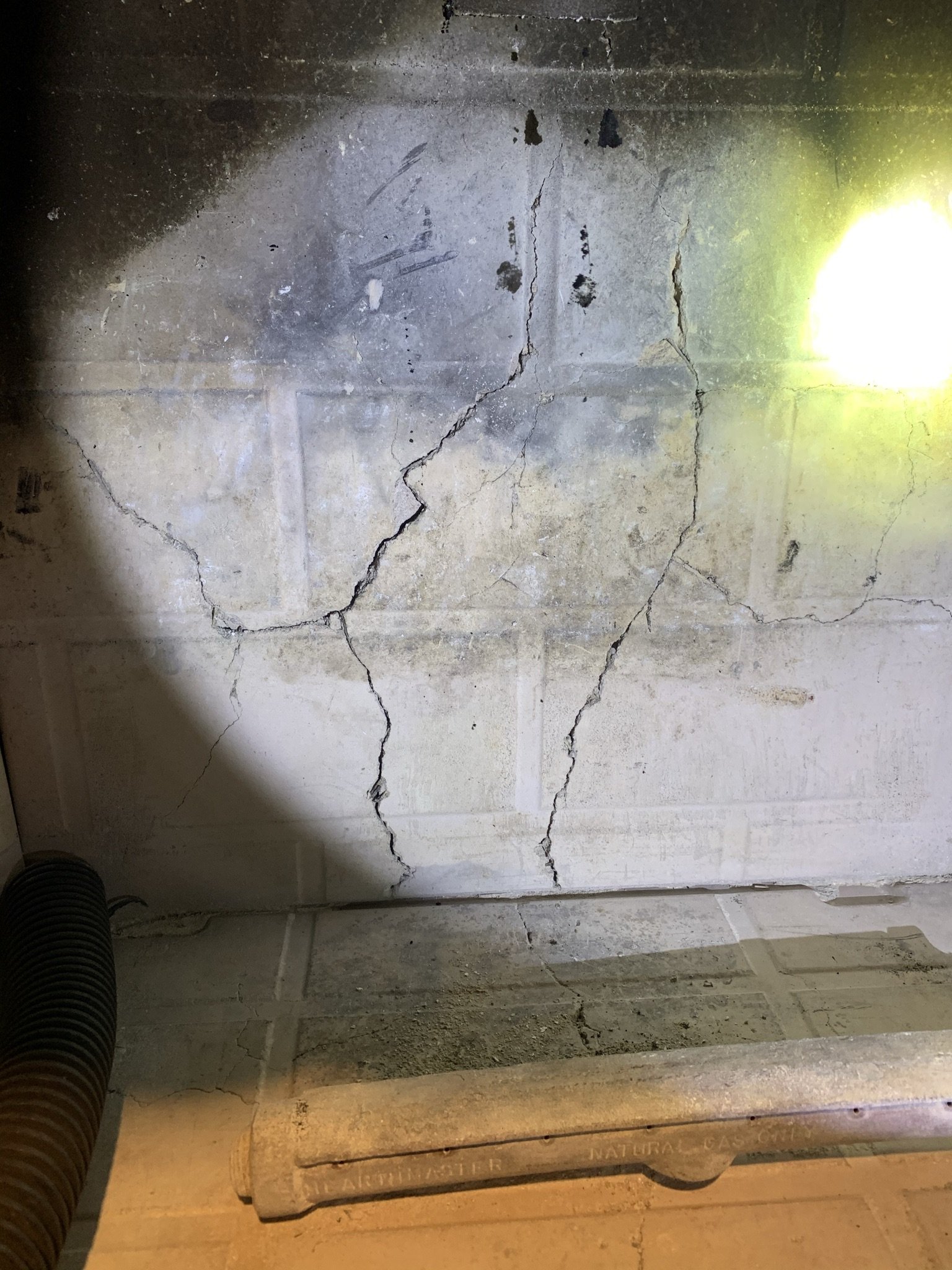
The Dangers of Damaged Refractory Panels
Cracked or missing panels pose several risks. They compromise the fireplace's ability to contain heat, which can lead to heat damage to the surrounding structures and increase the risk of a house fire. Improperly functioning panels can also reduce the fireplace’s efficiency, causing smoke to enter the living space rather than venting out through the chimney. Furthermore, these issues can lead to the production of hazardous gases like carbon monoxide, posing serious health risks to inhabitants.
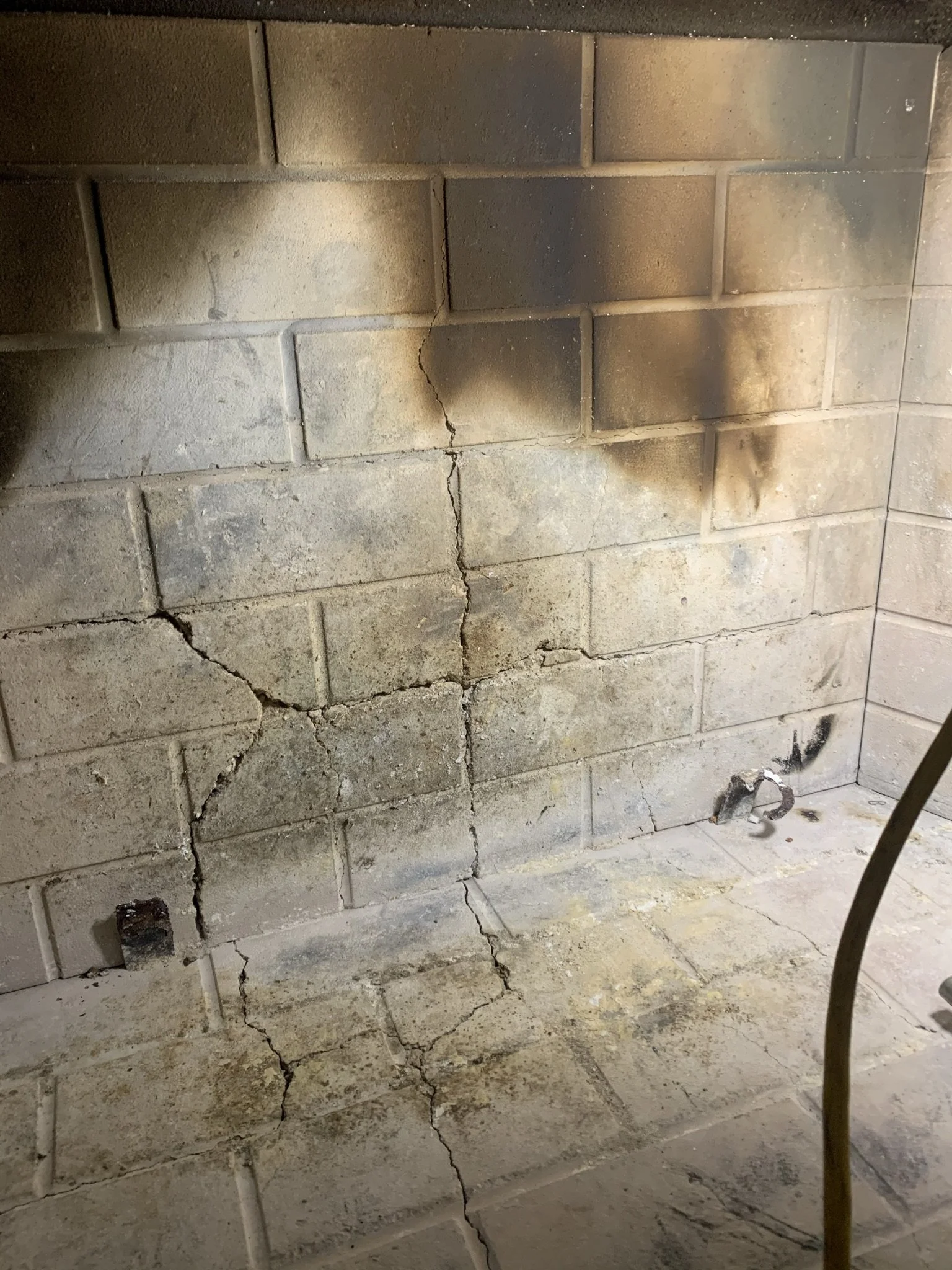
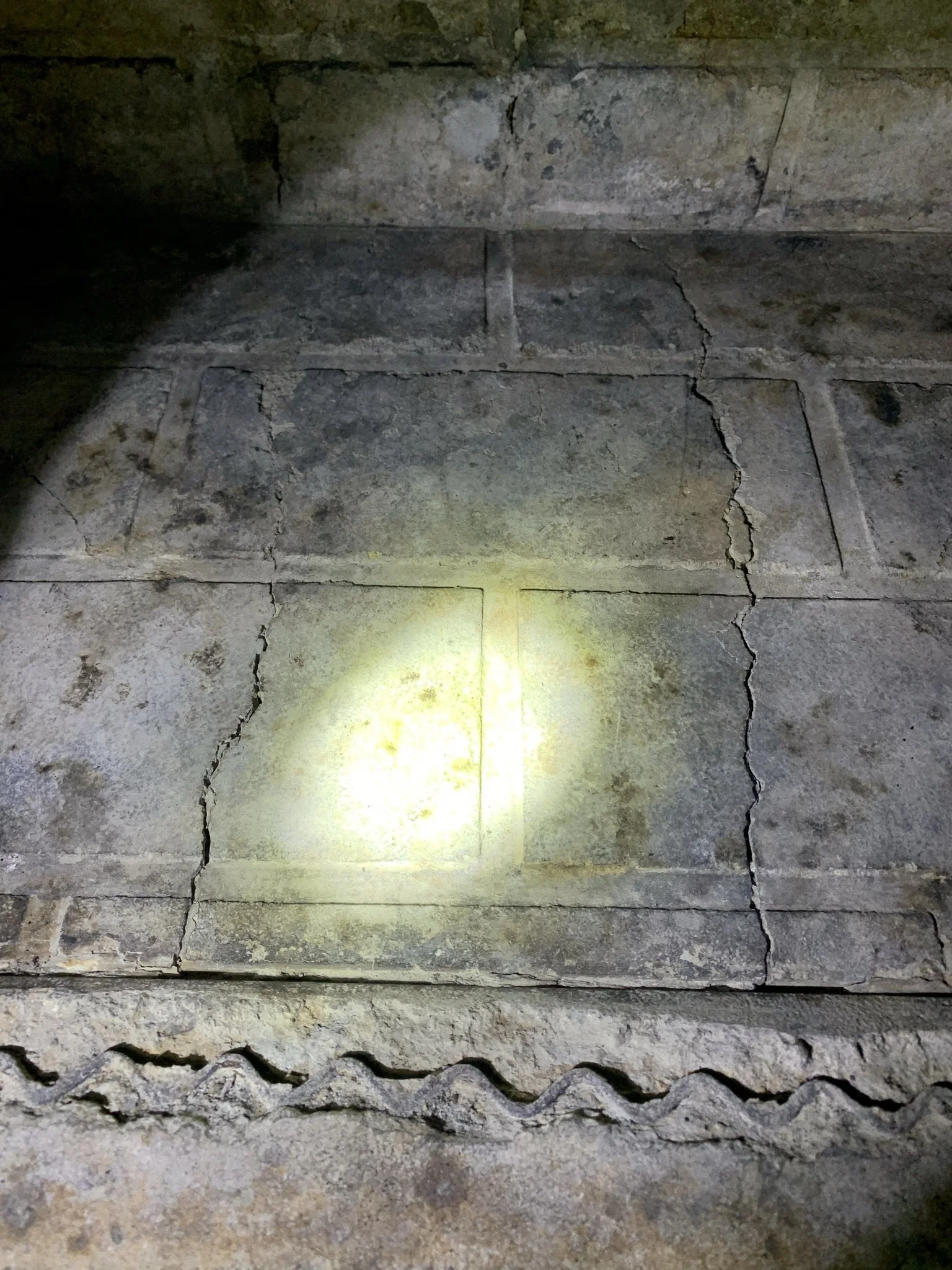
The Solution For Damaged or Missing Refractory Panels
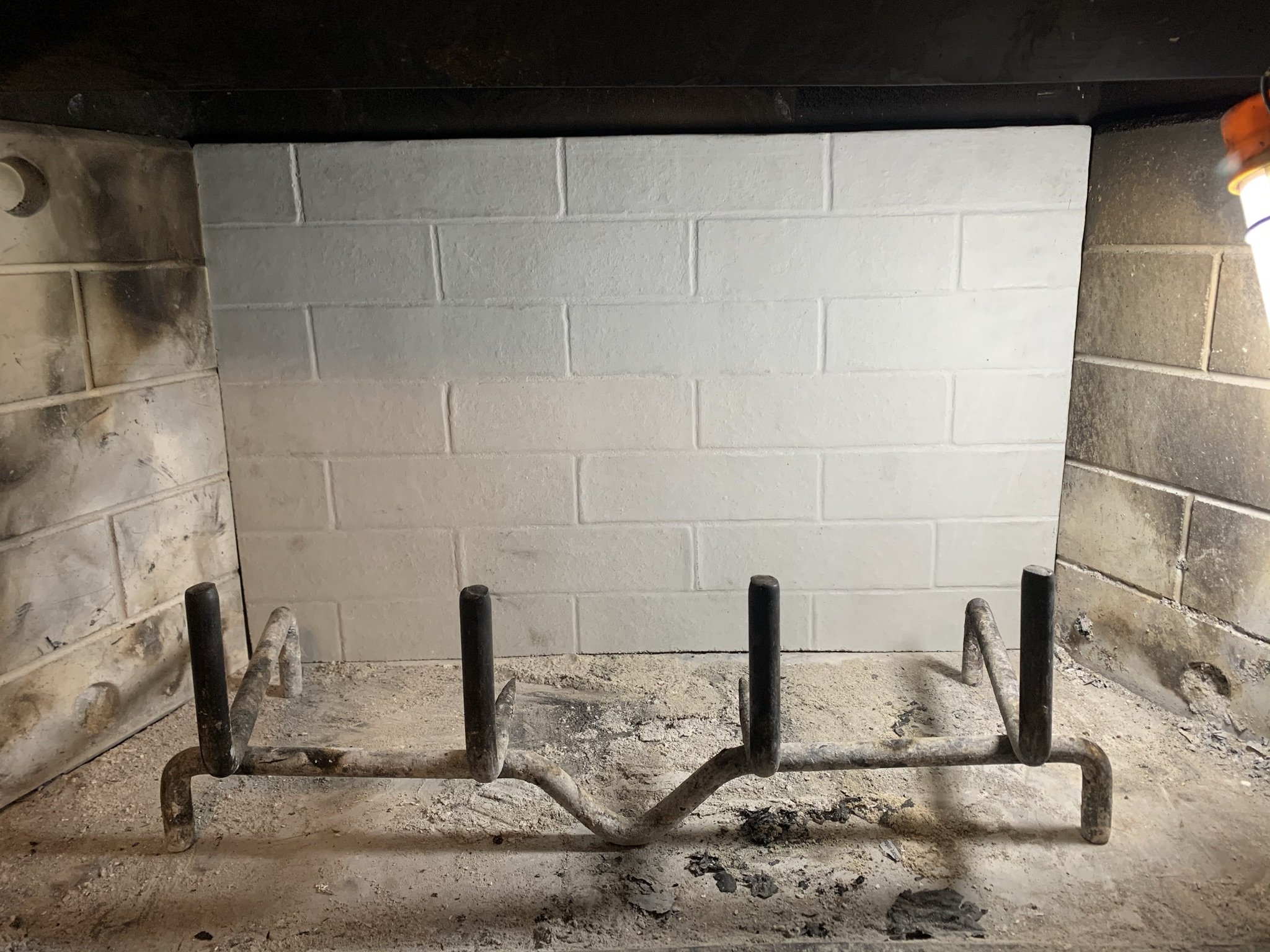
Addressing damaged refractory panels promptly is crucial for maintaining a safe and efficient fireplace. Hairline cracks may be repaired with specialized refractory cement. However, moderate-extensive damage or missing panels typically require full replacement due to satisfy UL Listing requirements. It’s advisable to consult a professional to ensure the repair or replacement is conducted safely and effectively. Regular maintenance and inspections by a qualified technician can prevent minor issues from escalating into major problems.
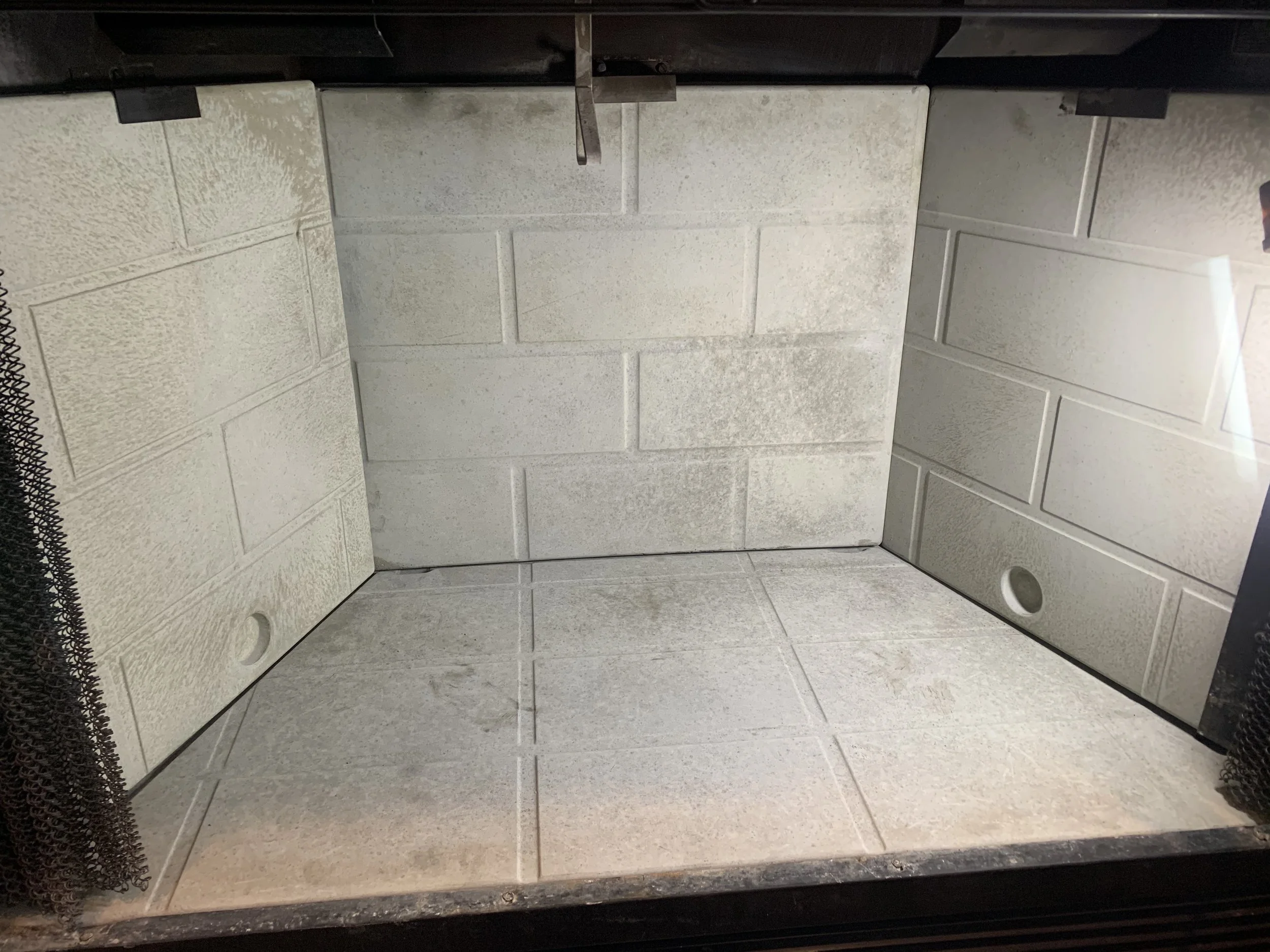
Maintaining the integrity of refractory panels is essential for the safety and efficiency of your fireplace. Being aware of the signs of damage and understanding the associated dangers is crucial for any homeowner. Timely repairs and regular maintenance can safeguard your home, ensuring that your fireplace remains a safe, warm, and cherished feature of your living space for years to come.