

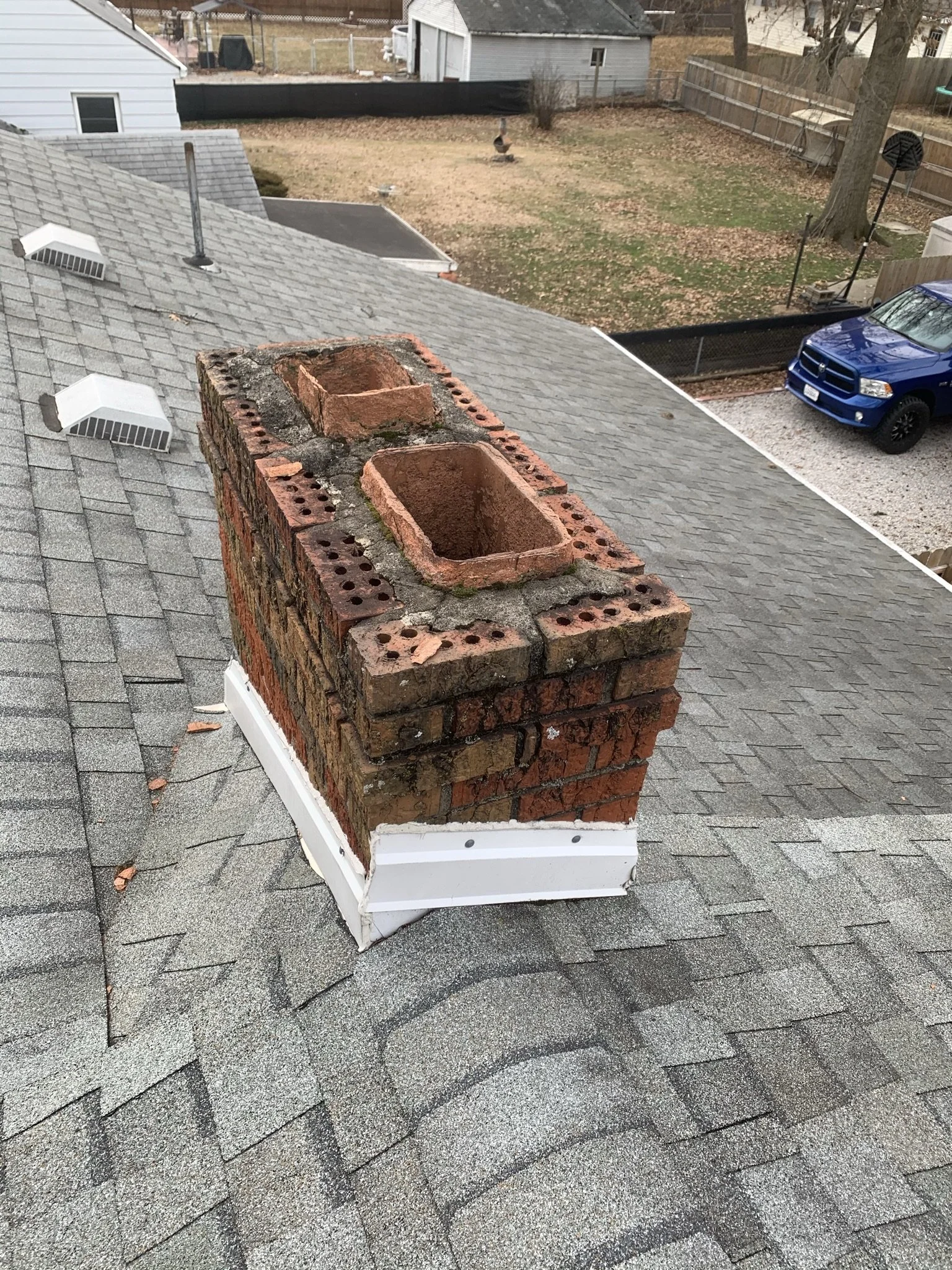
Openly Accesible Flues With Missing Cap/Covers
The Missing Piece: Understanding Capless/Coverless Chimney Flues
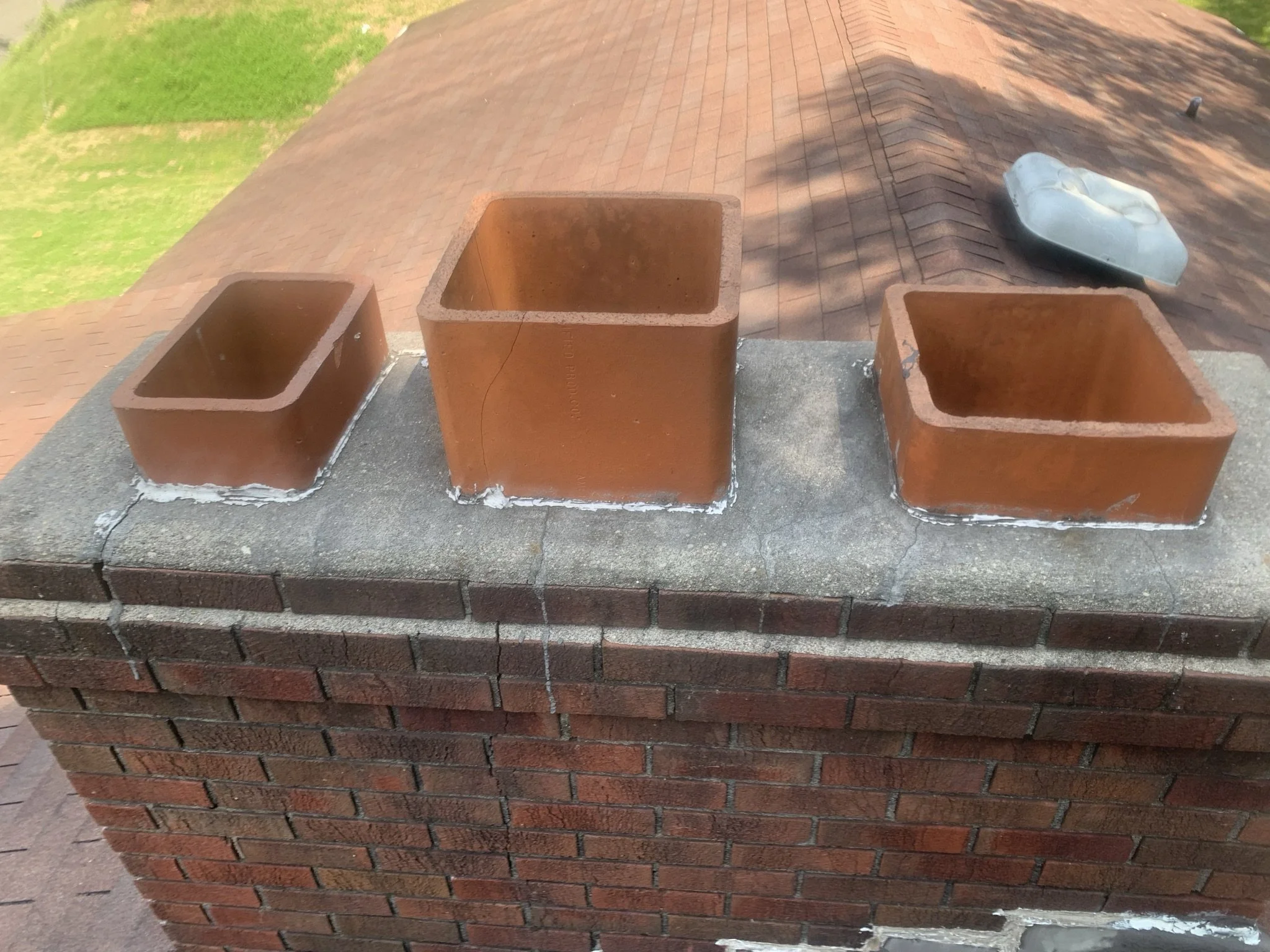
Have you taken a look up at your chimney recently? Do you notice anything missing after the last strong storm? Chimney flue covers, often referred to as caps, play a crucial role in preserving the integrity of your chimney and optimizing the performance of your fireplace. Without this protective barrier, your chimney becomes vulnerable to a host of issues. A chimney cover can be missing due to several reasons, such as poor maintenance, damage from severe weather, aesthetic reasons, or the original construction not including a cap.
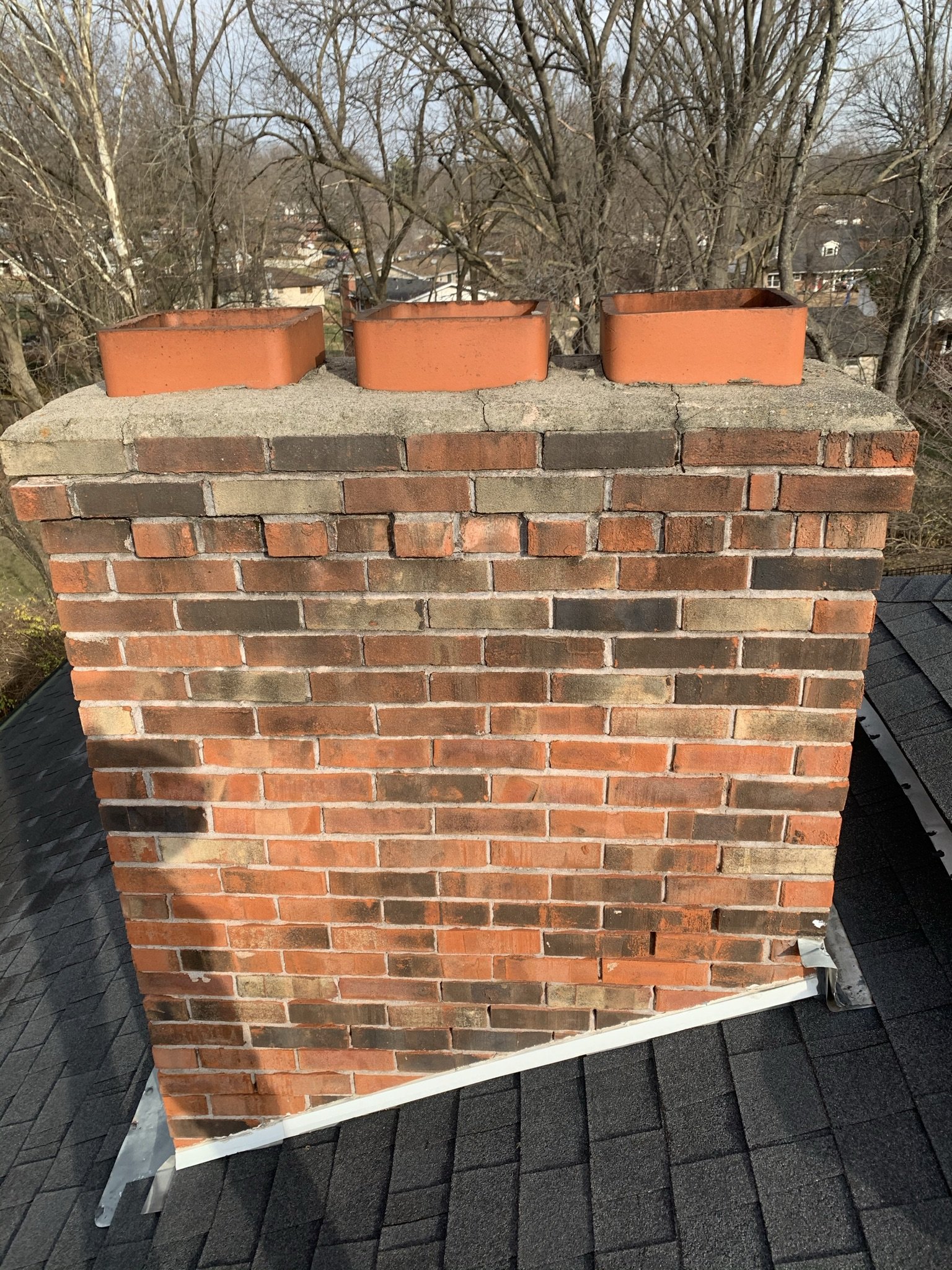
The Dangers of Open Flues
Uninvited wildlife, such as birds and squirrels, can find their way inside, creating blockages and potential fire hazards. Additionally, rain and snow can enter, leading to moisture damage and the growth of mold, which can compromise the structural integrity of your chimney. Debris like leaves and twigs further increases the risk of fires, while wind-induced downdrafts can cause smoke to spill back into your home, degrading indoor air quality.
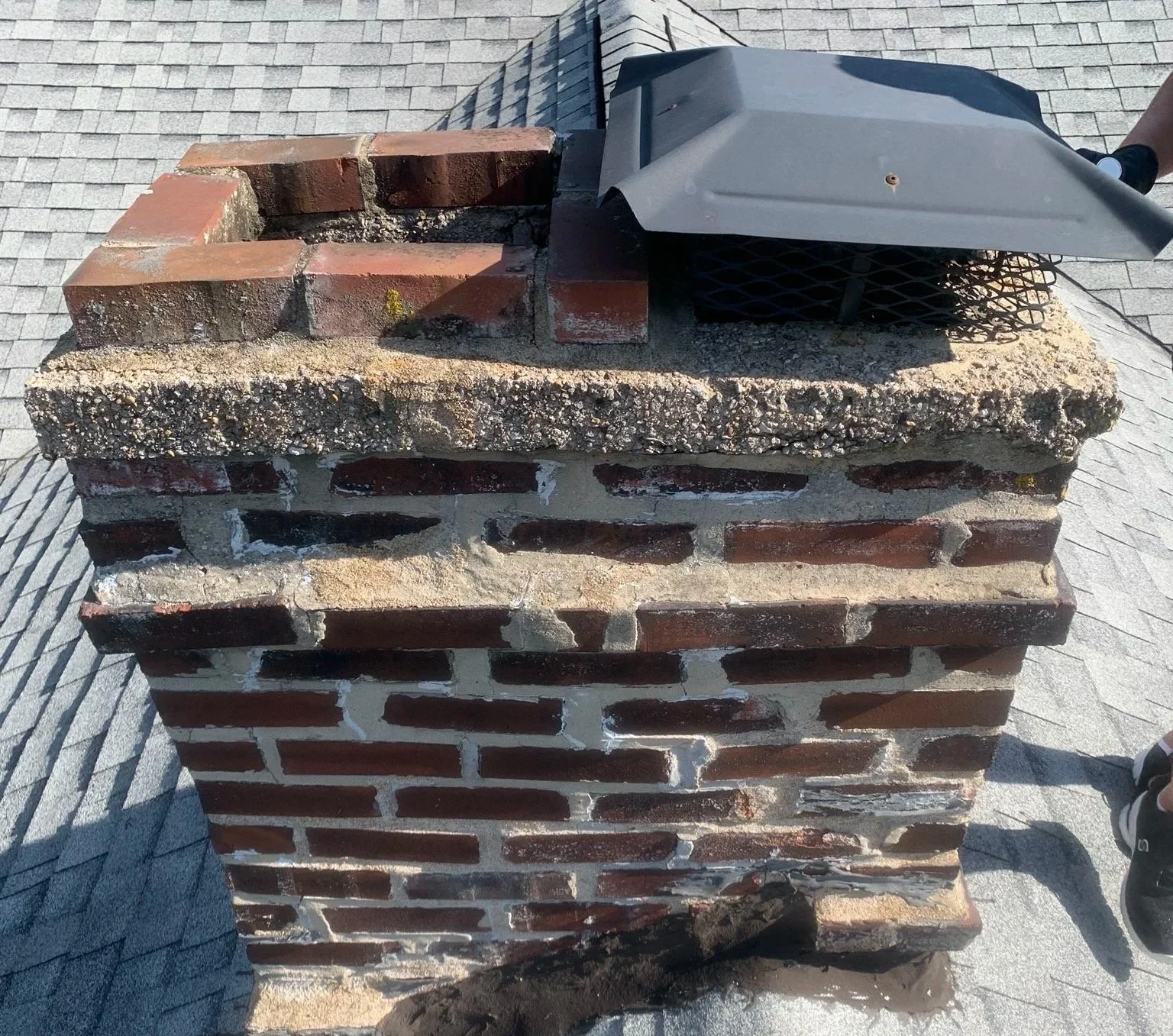
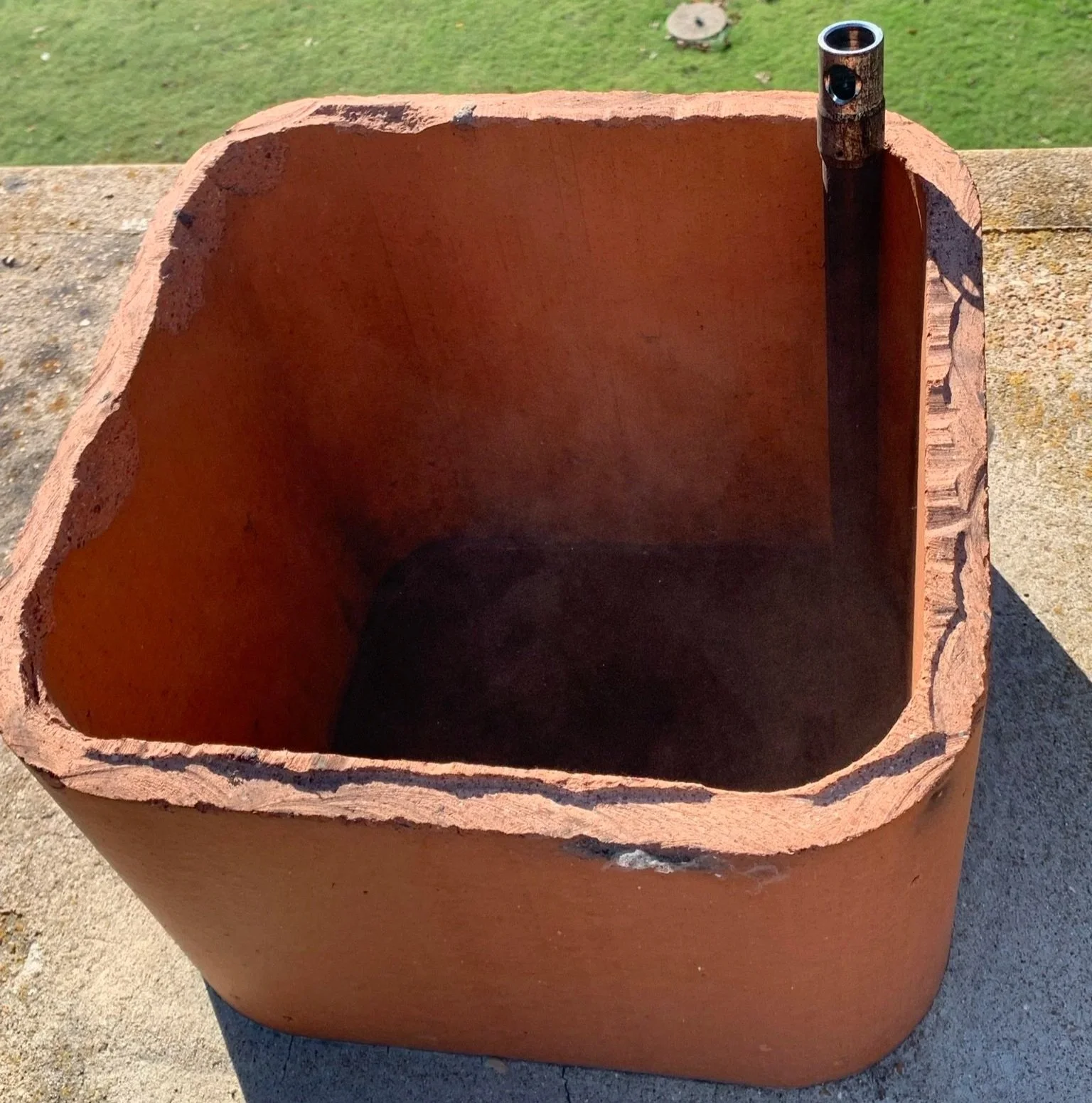
The Solution For Flue Coverings
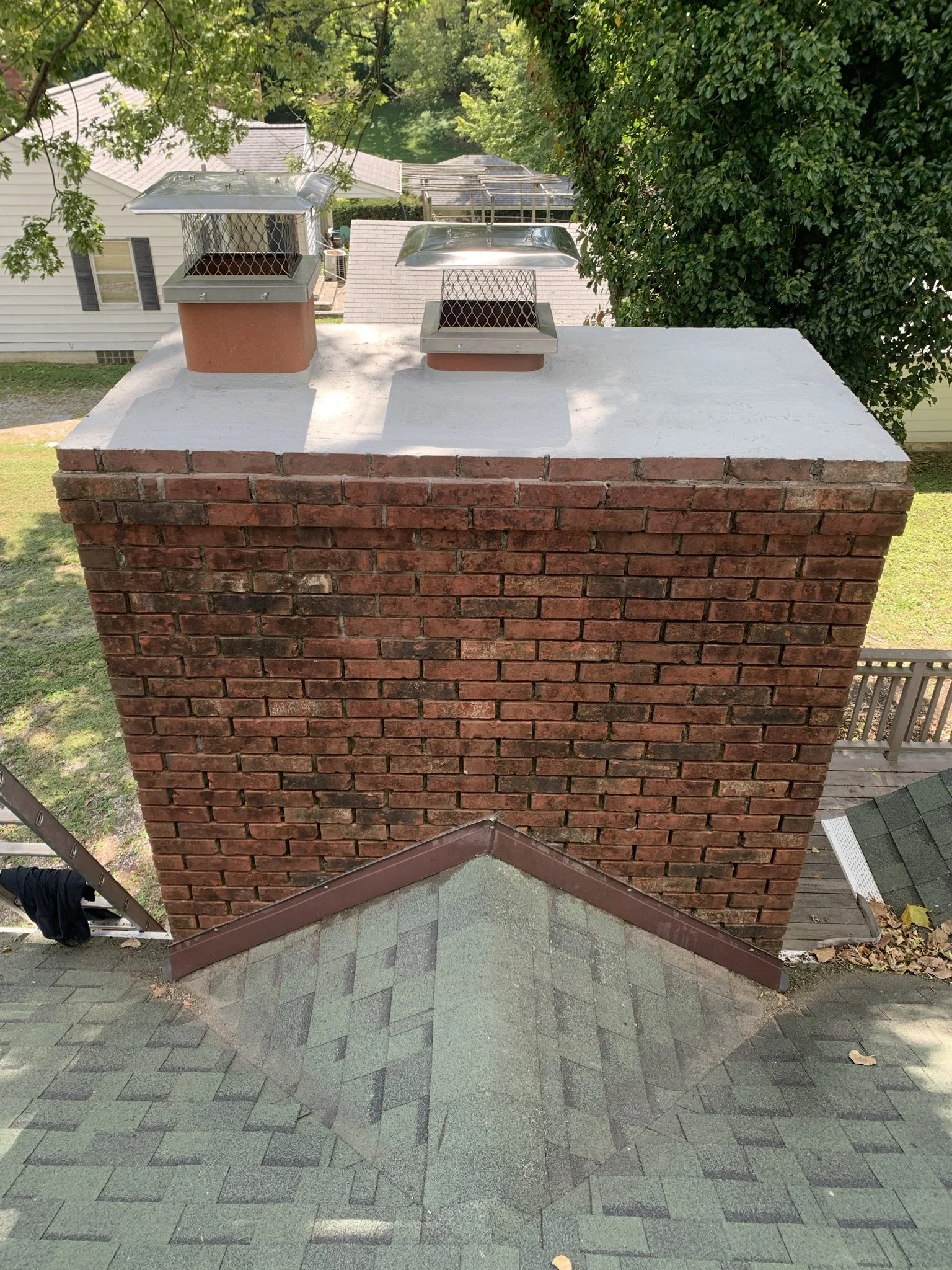
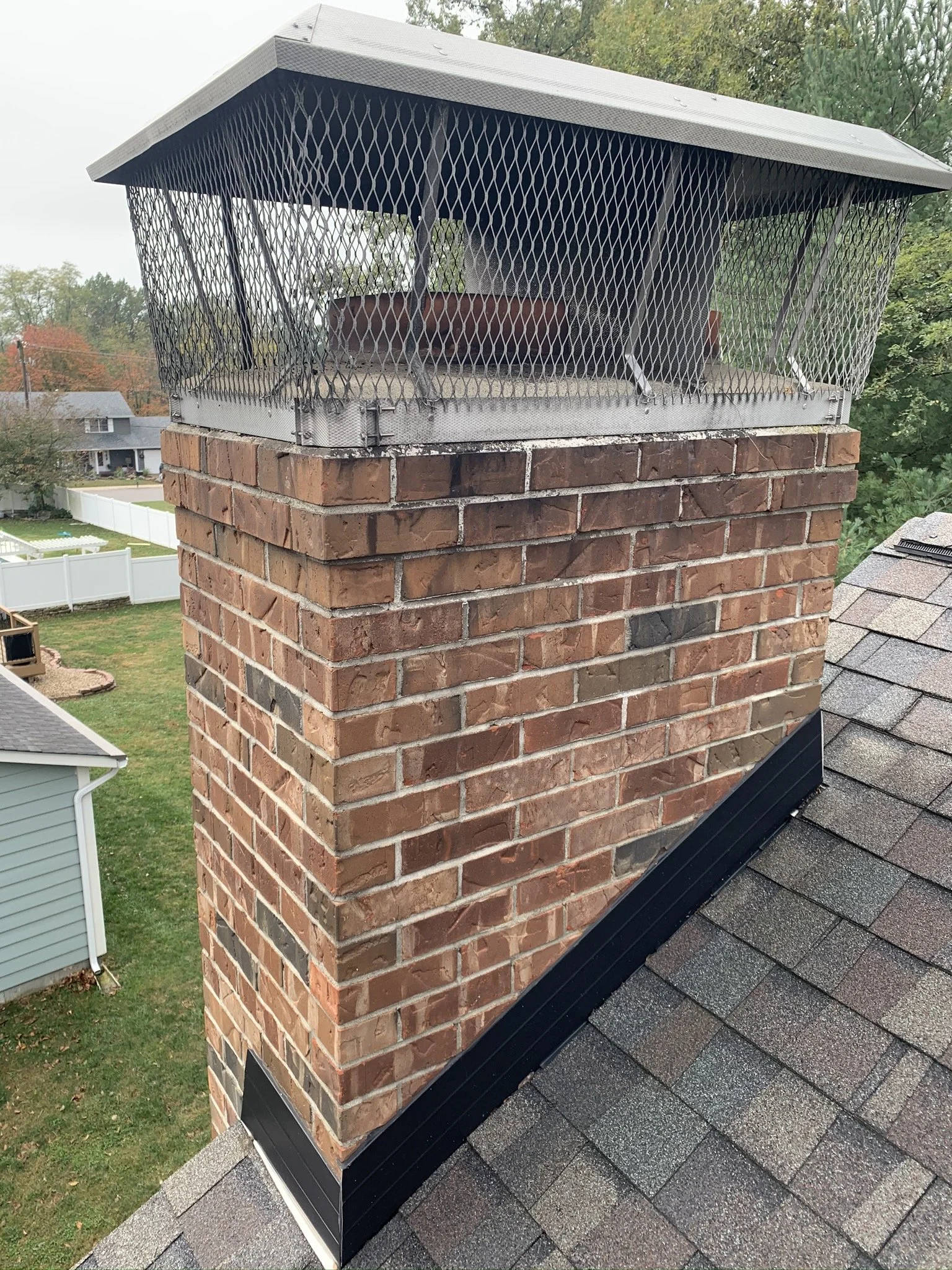
The remedy to these problems lies in a robust chimney flue cover. It acts as a shield, preventing animals, moisture, and debris from entering while ensuring that smoke can escape efficiently. Many covers are equipped with mesh screens to stop sparks and embers from escaping, adding an extra layer of safety. By investing in a quality chimney flue cover, you not only extend the lifespan of your chimney but also enhance the efficiency of your fireplace.
In summary, while it might seem like a small addition, a chimney flue cover is a key component in maintaining the health of your chimney and the safety of your home. As you enjoy the warmth of your fireplace, remember that this simple accessory provides significant peace of mind, safeguarding both your home and your comfort.