

Soft Copper Gas Line Attached To Gas Log Sets
The Importance of Proper Gas Lines in Fireplaces
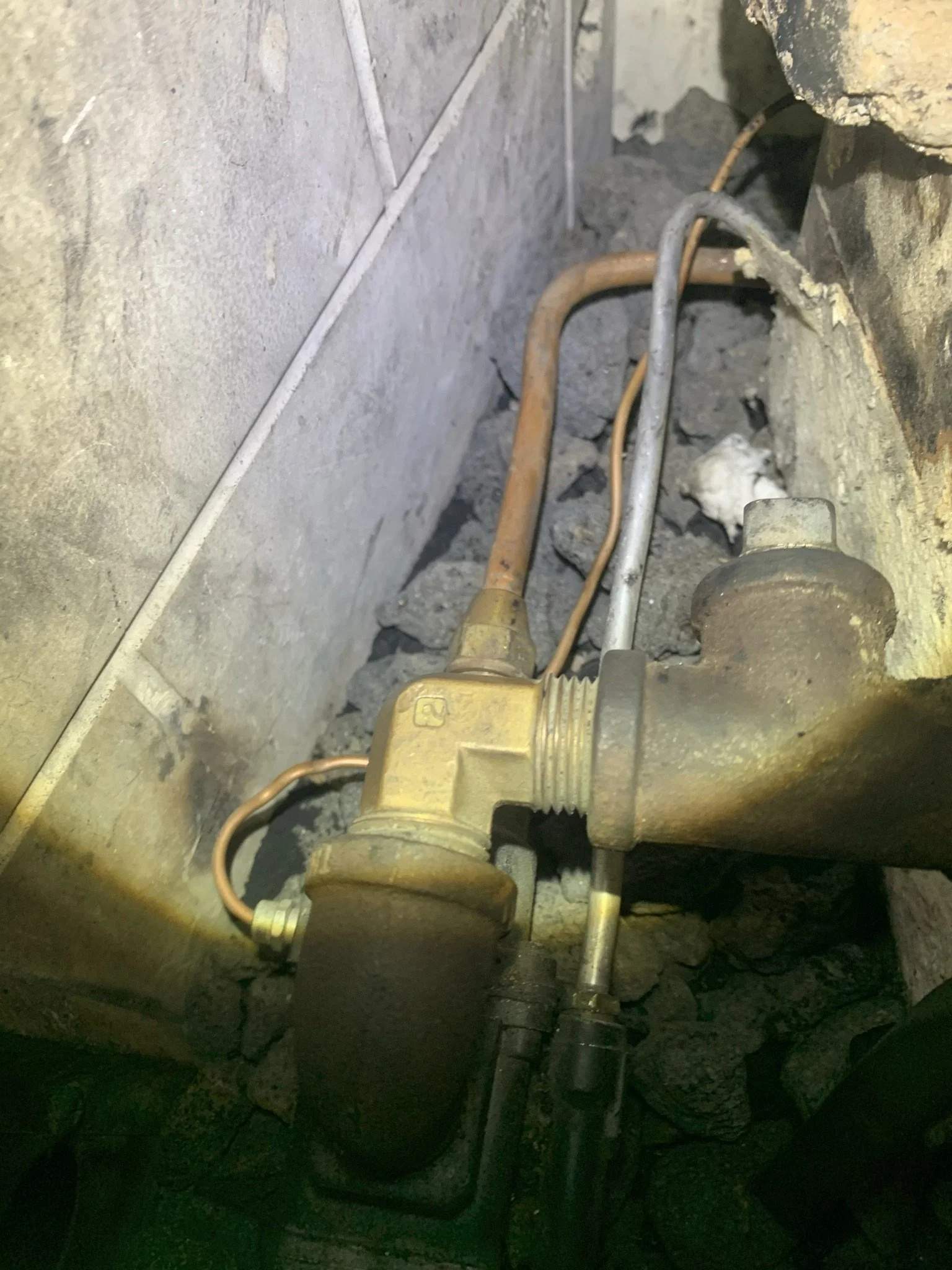
When it comes to the safety and efficiency of your home’s fireplace, the type of gas line you use is paramount. Historically, some homeowners and builders have turned to soft copper gas lines for their fireplaces due to its affordability and ease of installation. However, this can lead to significant safety hazards and inefficiencies. Understanding the dangers of copper and the benefits of alternatives like rigid black iron pipes or proper flexible gas lines can help ensure your home remains a safe haven.
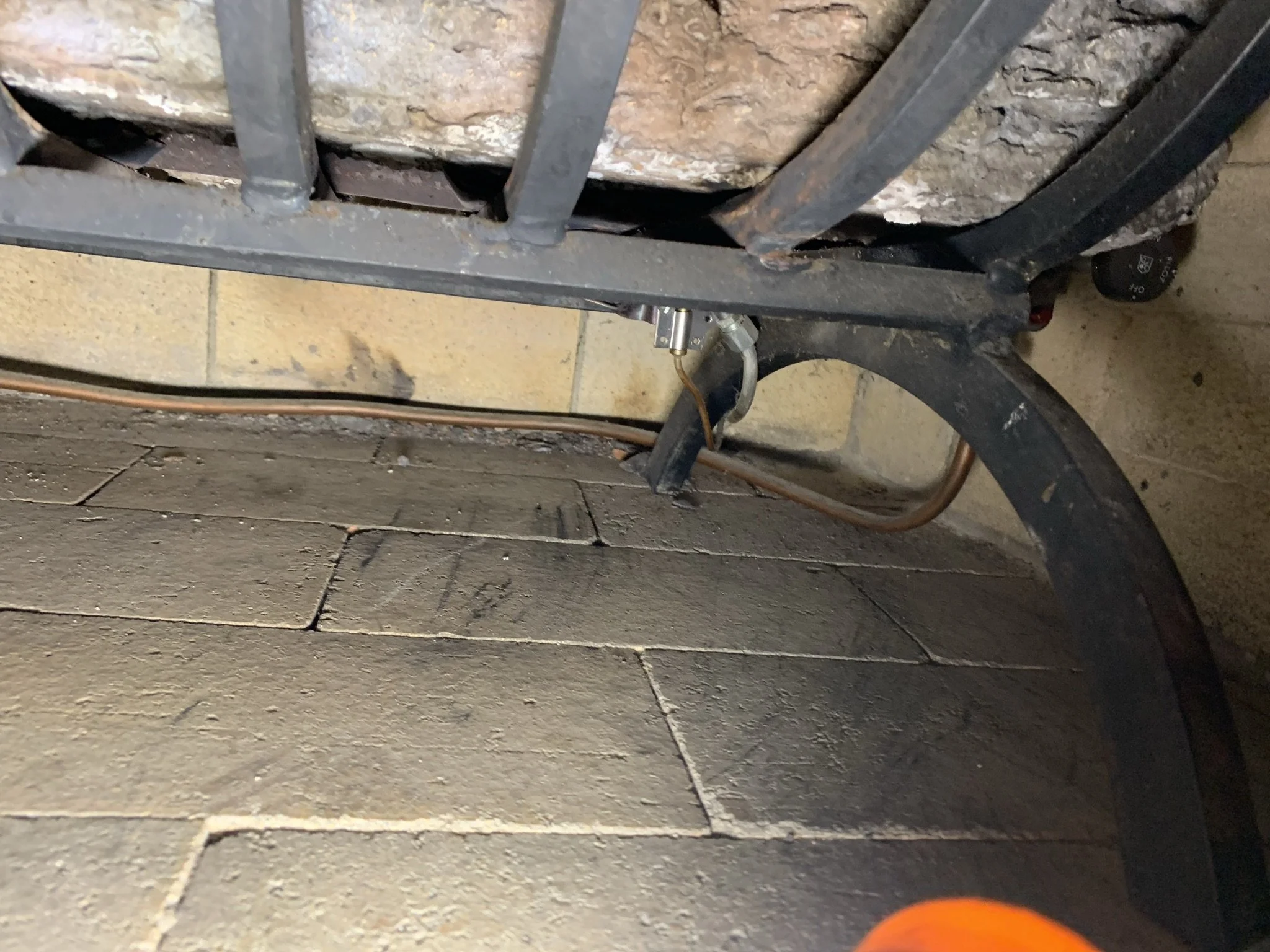
The Drawbacks of Copper Gas Lines
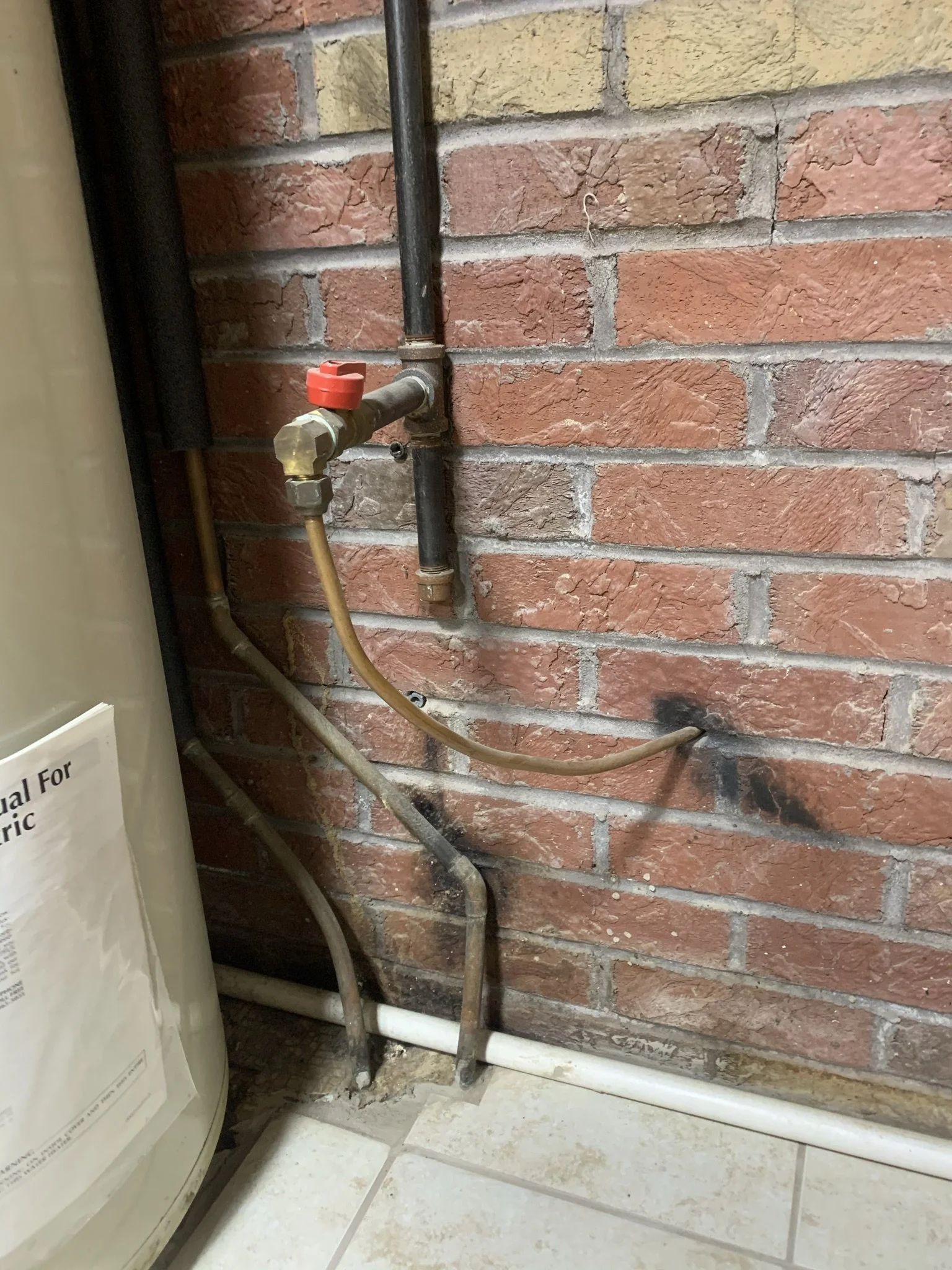
Copper gas lines, while initially appealing due to their low cost and flexibility, present several dangers. The malleability of copper makes it susceptible to damage from physical impacts or environmental factors. Over time, copper can also react with certain types of gas, leading to corrosion and potential leaks. These leaks not only waste energy but can also create dangerous situations, including the risk of gas explosions or carbon monoxide poisoning.
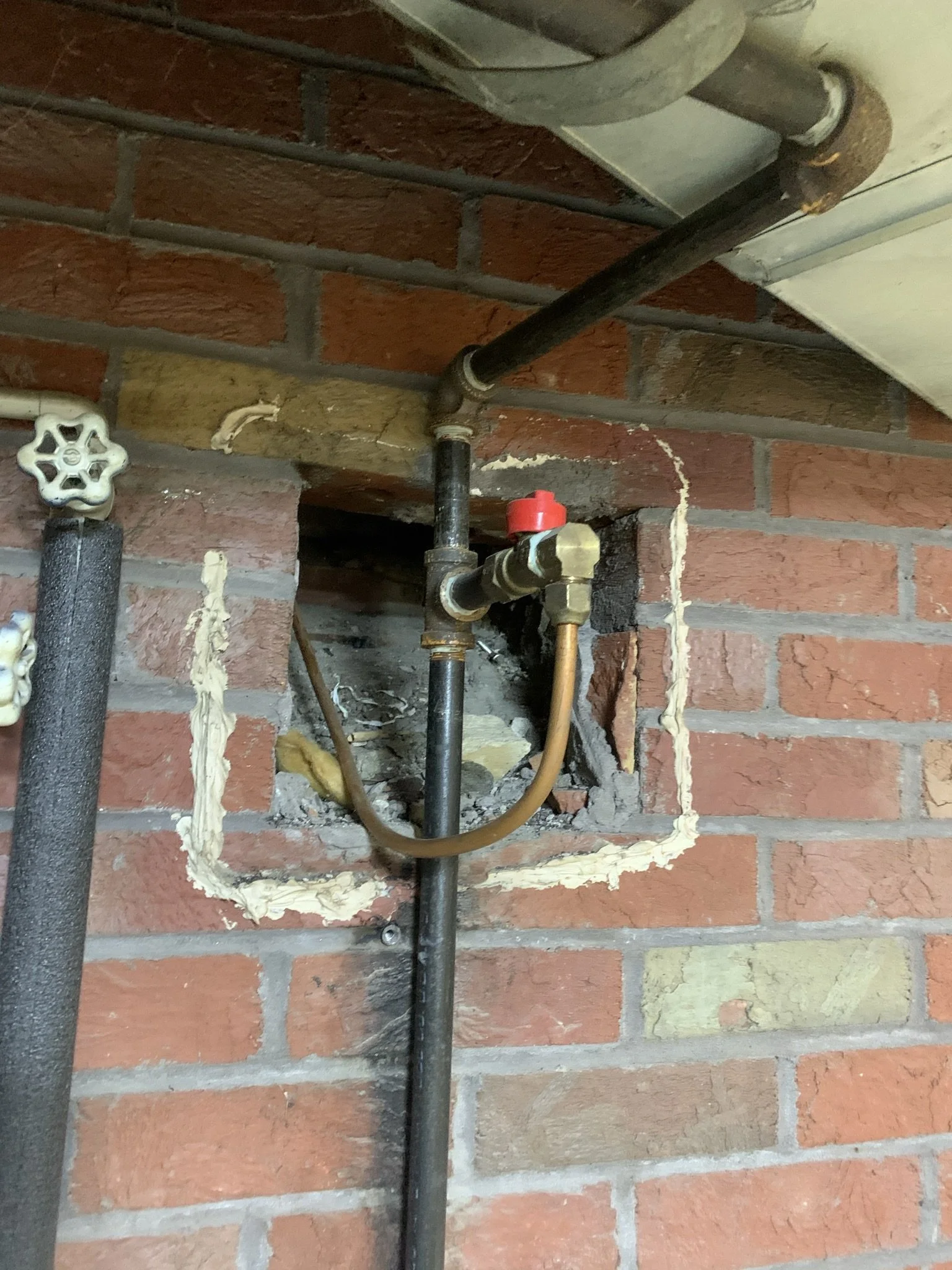
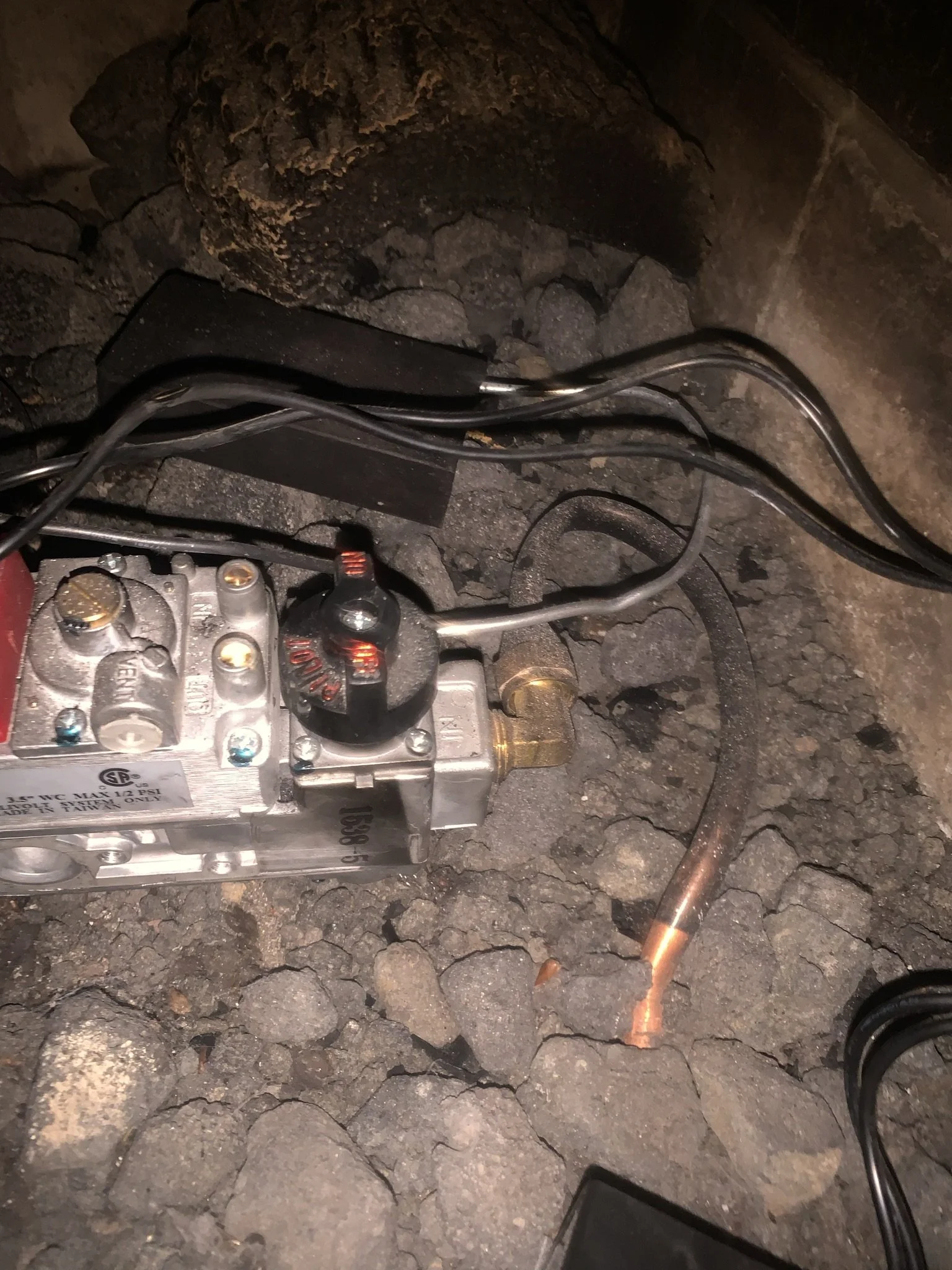
The Safer Alternatives
To mitigate these risks, it’s crucial to consider other materials for your gas lines. Rigid black iron pipes are a popular choice due to their durability and resistance to physical and chemical damage. They provide a strong, long-lasting solution that can withstand the test of time. For those who prefer flexibility without compromising safety, properly certified flexible gas lines offer a viable alternative. These lines are designed to be both flexible and robust, reducing the risk of leaks and ensuring a safer gas supply.
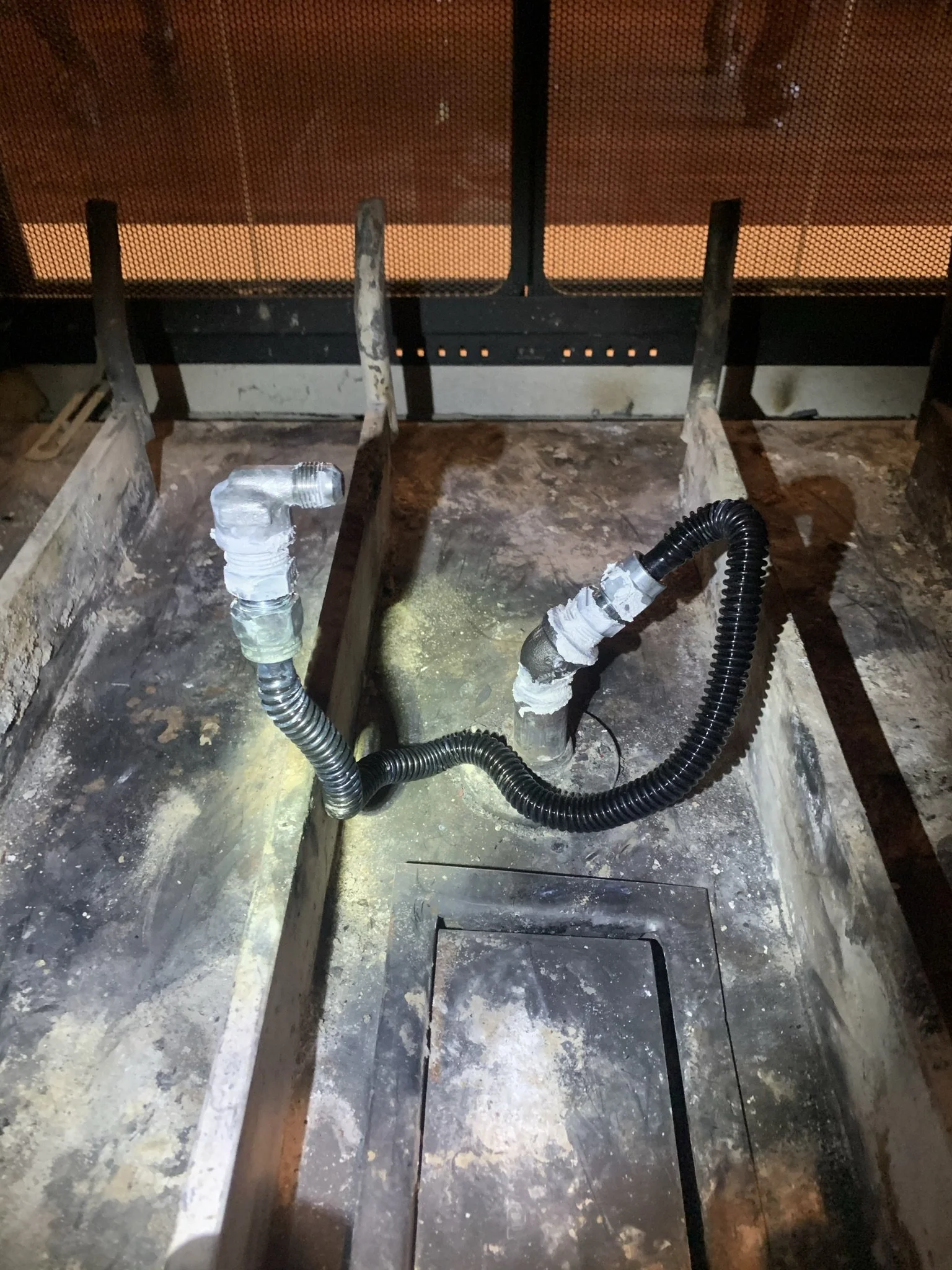
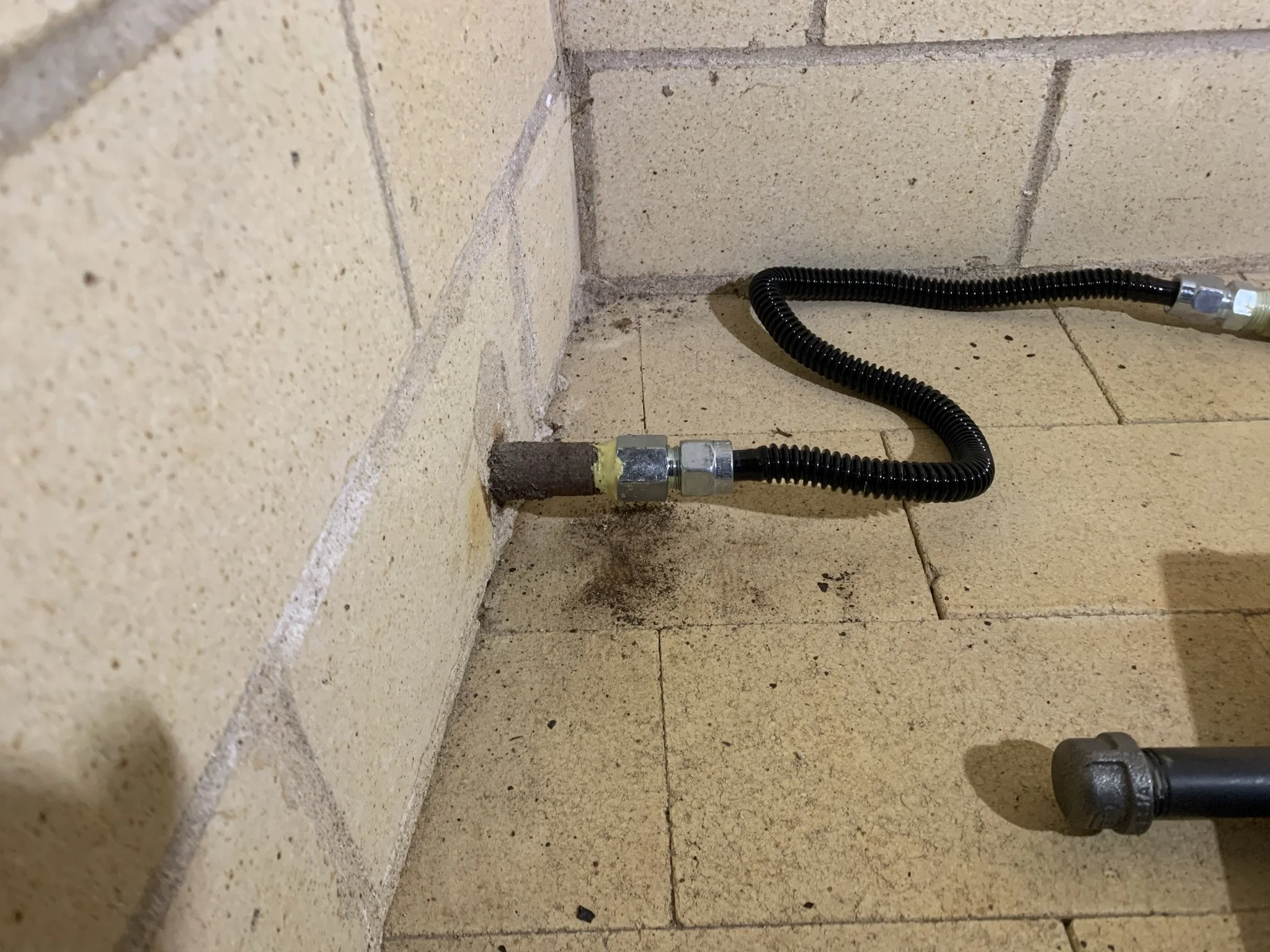
In conclusion, while copper may seem like a convenient choice for gas lines, the potential dangers it poses far outweigh the initial benefits. Opting for rigid black iron pipes or certified flexible gas lines can significantly enhance the safety and efficiency of your fireplace. It’s always wise to consult with a professional when installing or upgrading your gas lines to make sure you are choosing the best option for your home. Prioritizing safety not only protects your property but also provides peace of mind, allowing you to enjoy the warmth and ambiance of your fireplace worry-free.