

Spalling Bricks and Mortar Joint Deterioration
Understanding Chimney Spalling and Mortar Joint Deterioration: Causes, Consequences, and Solutions
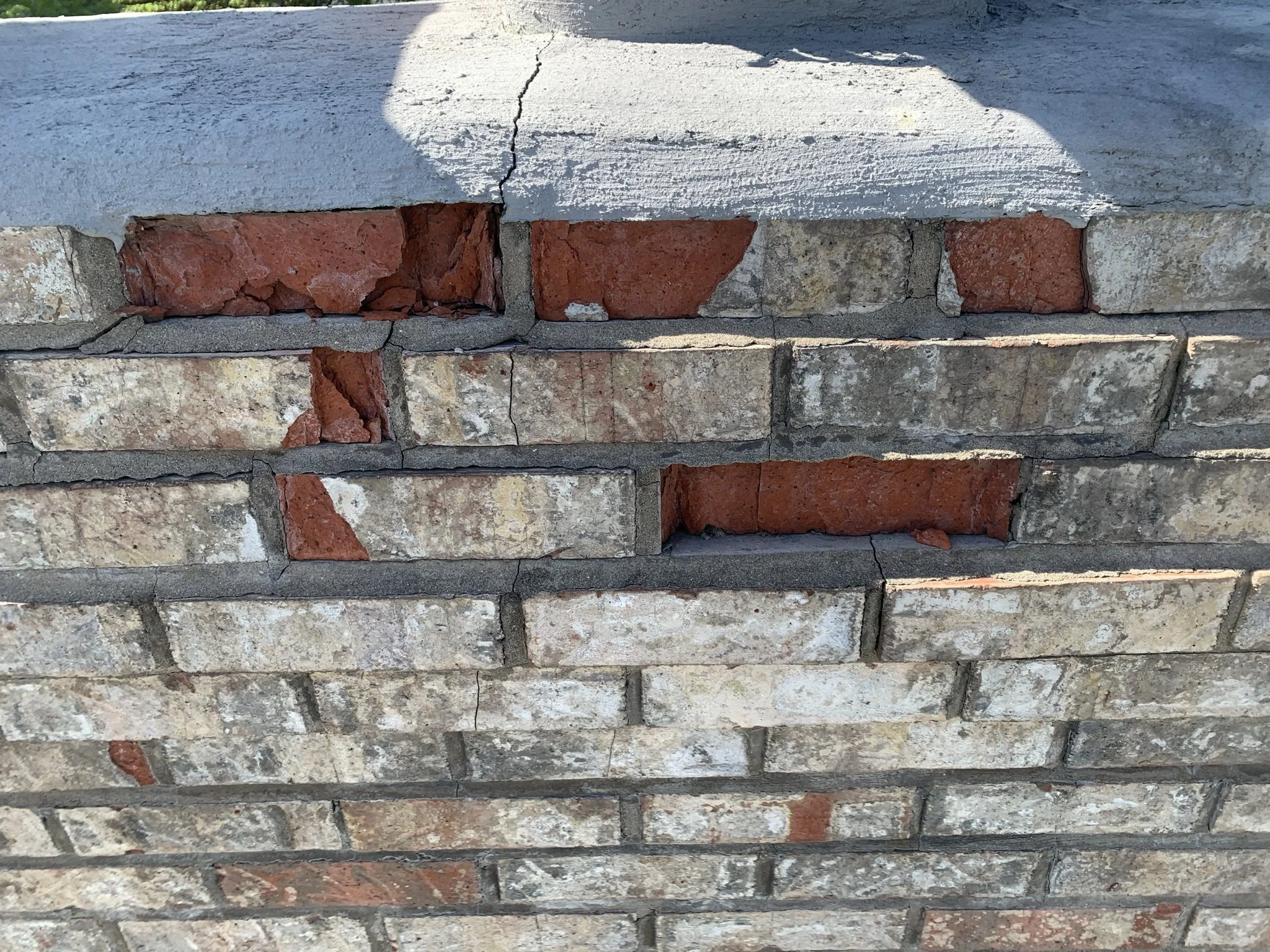
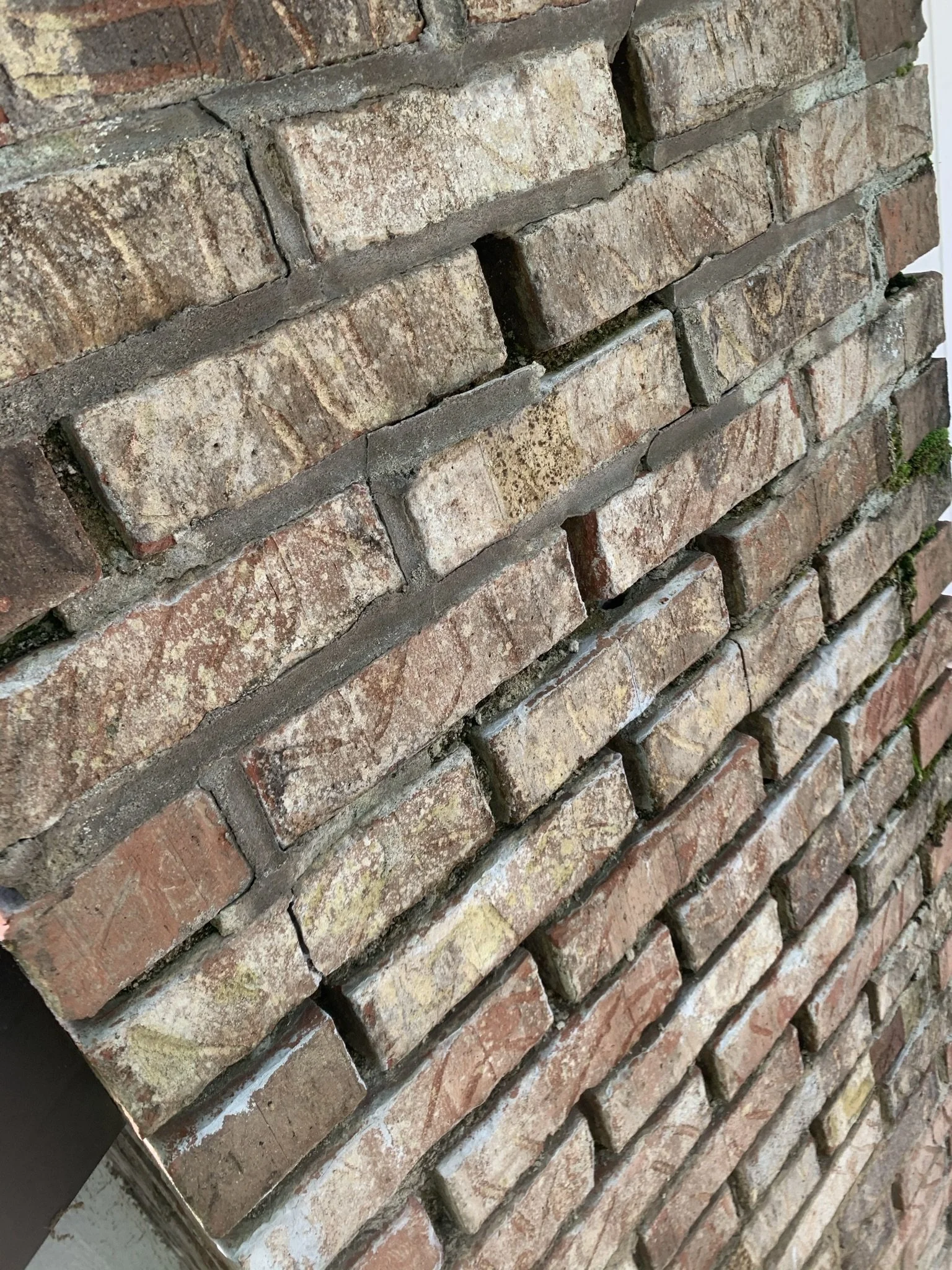
One common issue homeowners face is the spalling of chimney bricks and deterioration of mortar joints, particularly above the roofline. Spalling occurs when the surface of the brick deteriorates, causing it to flake or break away. This is often a result of moisture penetration, which can occur due to poor construction, lack of maintenance, or extreme weather conditions. Water infiltrates the brick, freezes during cold weather, and expands, leading to spalling. Similarly, mortar joint deterioration is primarily caused by water damage. Over time, the constant freeze-thaw cycles weaken the mortar, causing it to crack and crumble. Masonry that is exposed to harsh weather conditions, such as wind and rain above the roofline, is particularly vulnerable.
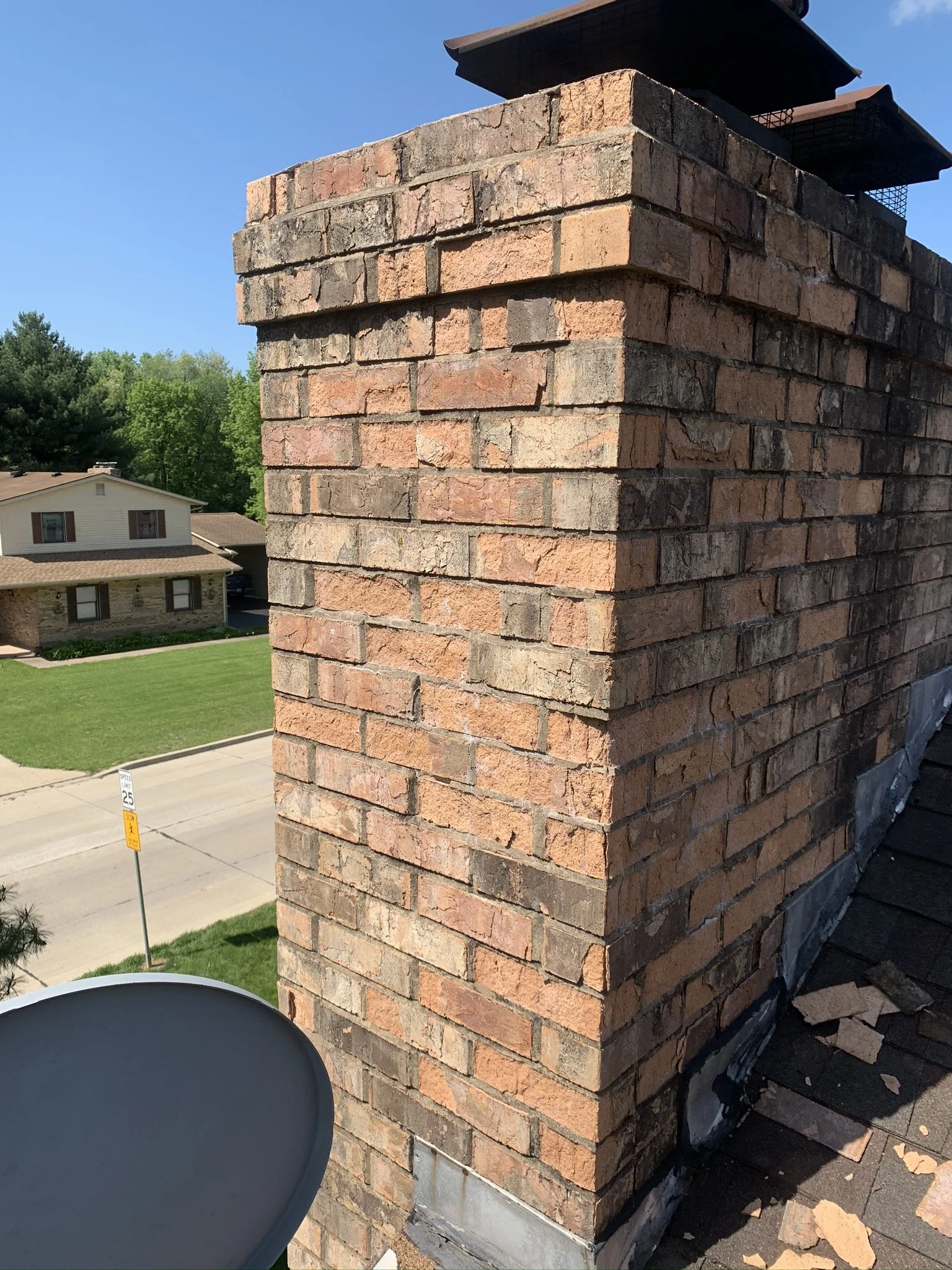
The Harm Presented From This Type Of Damage
The spalling of bricks and deterioration of mortar joints can lead to several concerning problems. Structurally, it can compromise the integrity of the chimney, making it susceptible to collapse. This poses a significant safety risk to inhabitants and can lead to costly repairs. Moreover, gaps and cracks caused by spalling and mortar deterioration can allow water and moisture to enter the home, causing damage to interior walls and ceilings. This moisture intrusion can also lead to mold growth, which poses health risks.
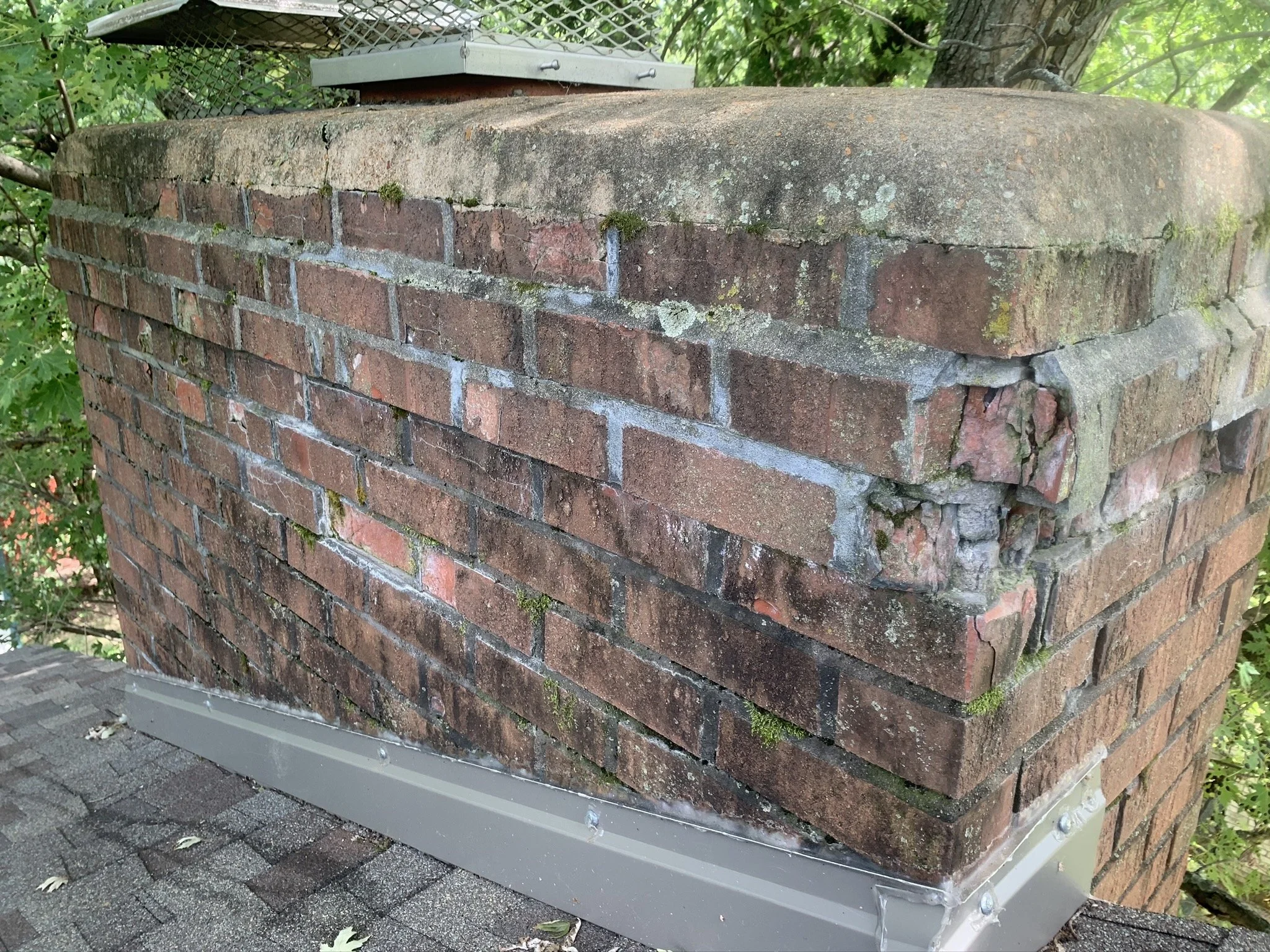
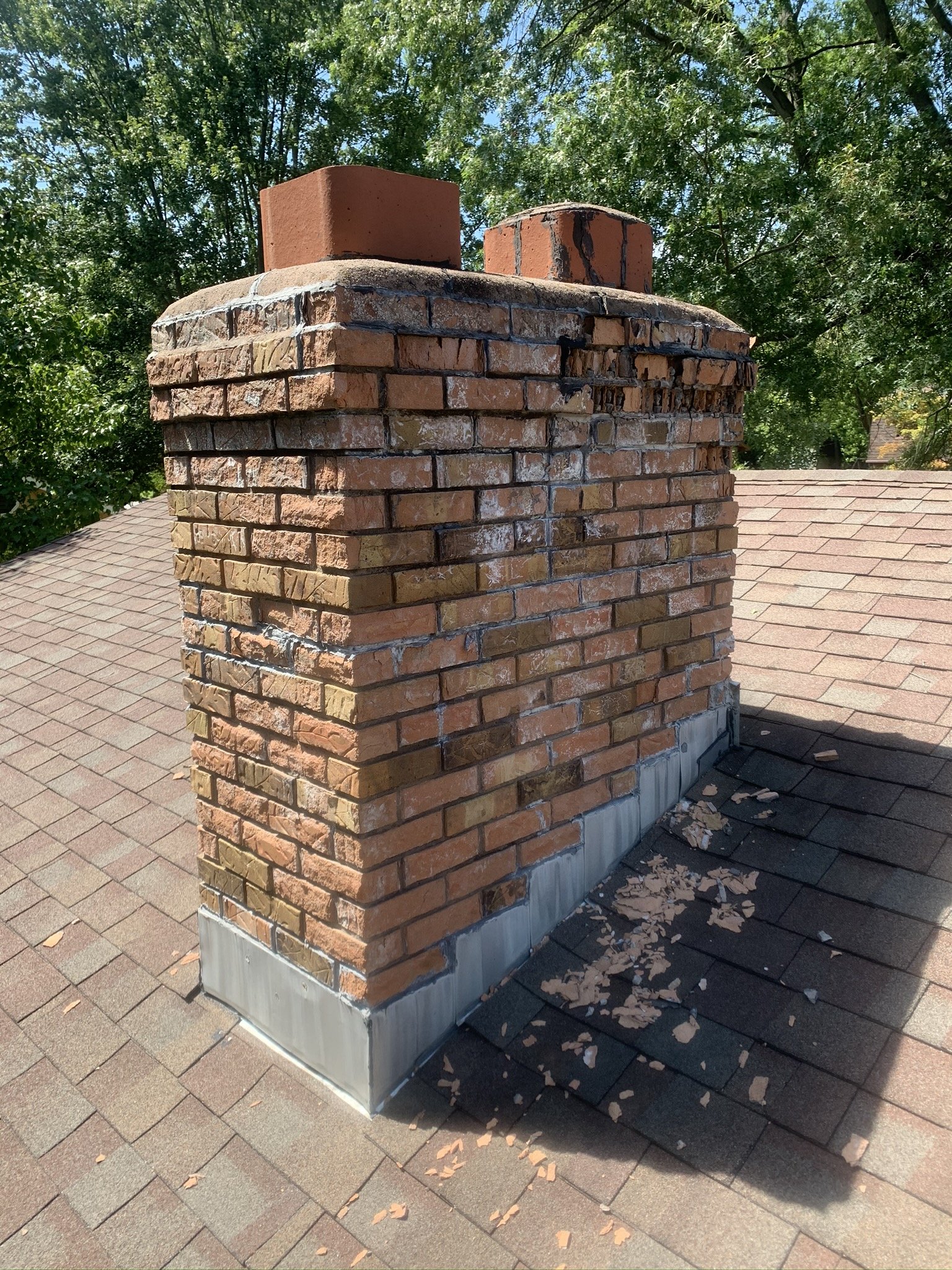
Solutions to Address Chimney Spalling and Mortar Deterioration
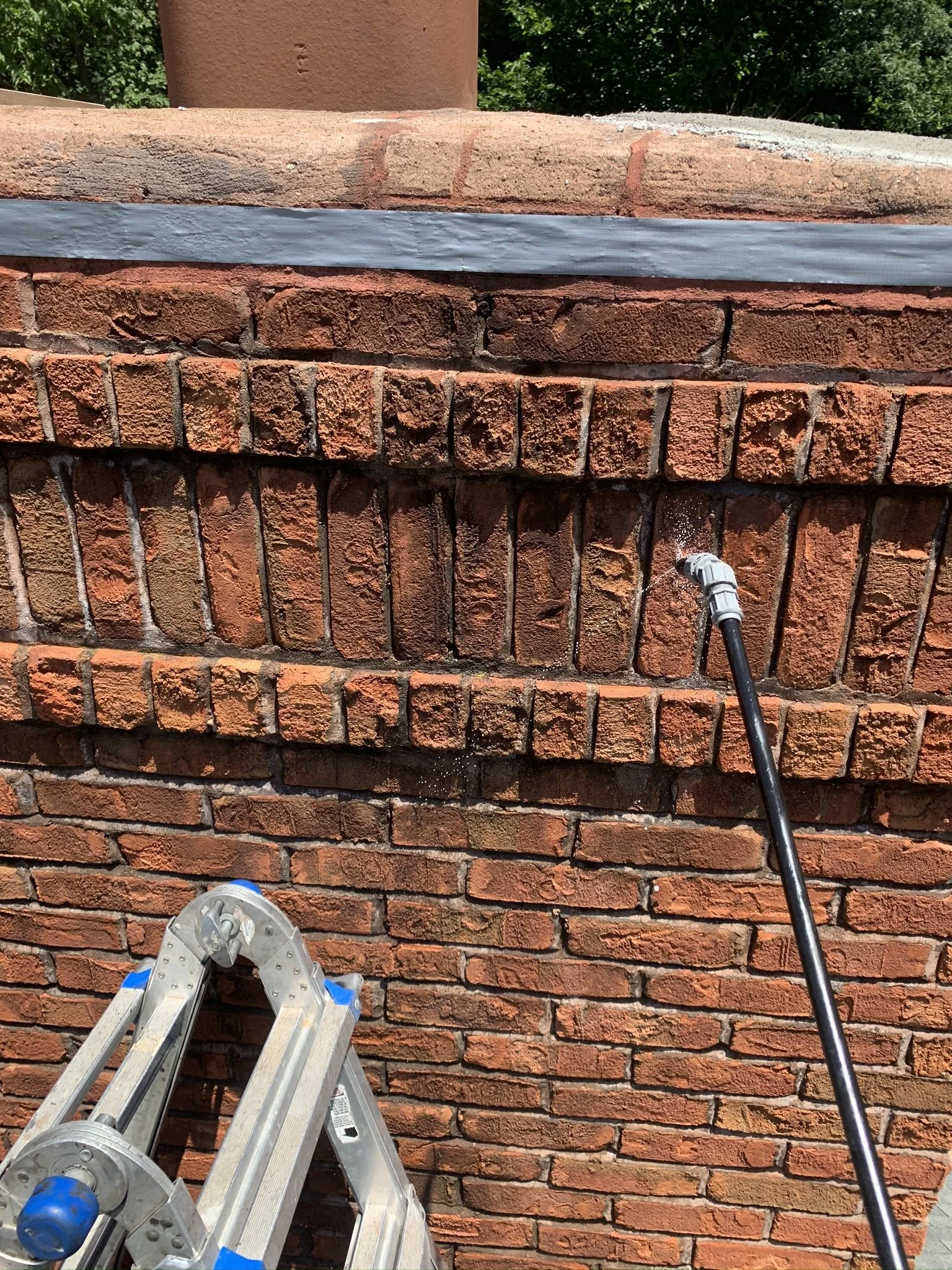
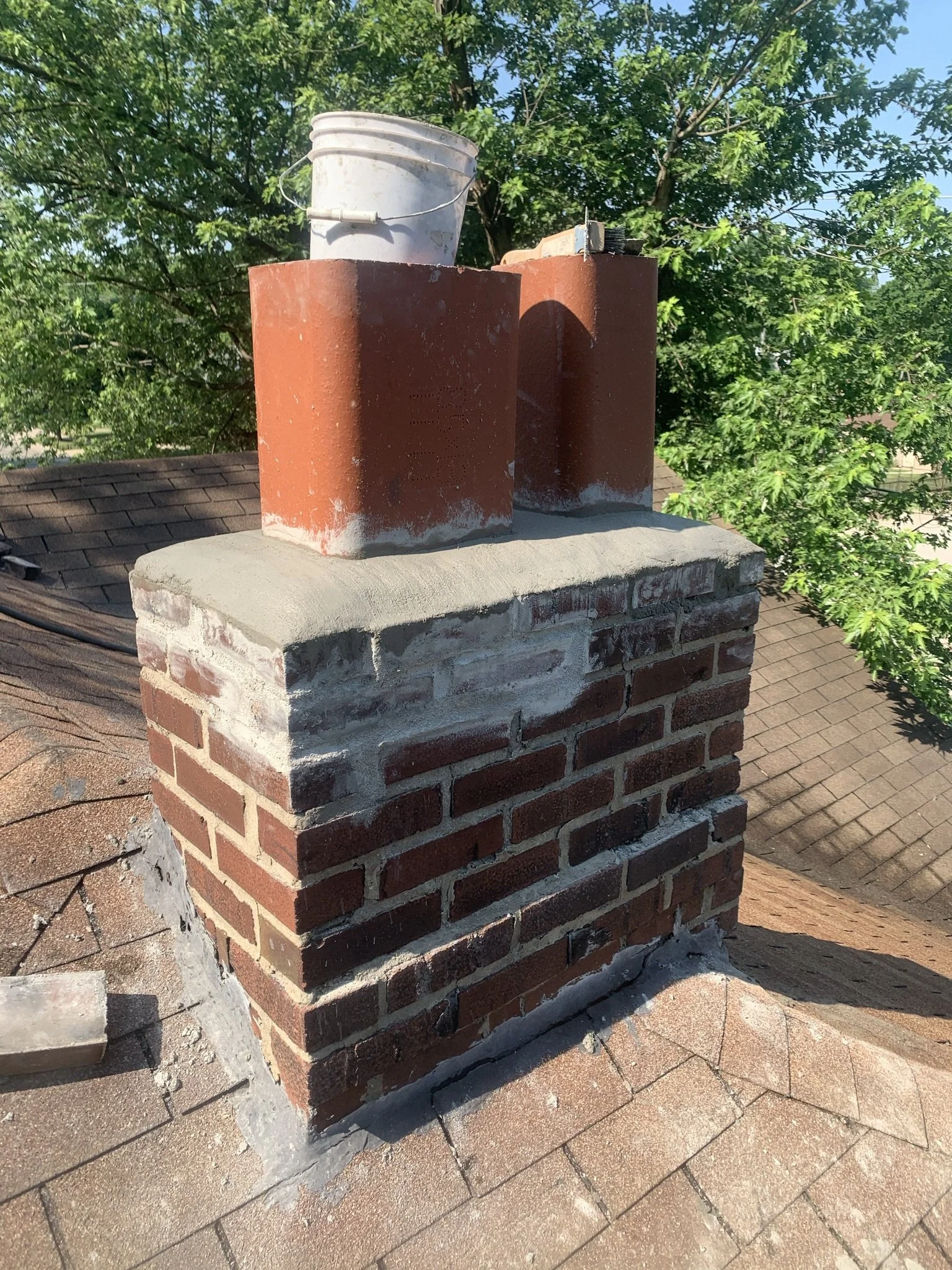
Addressing these issues promptly is essential to prevent further damage. The first step is to conduct a thorough inspection of the chimney to assess the extent of the damage. For minor spalling, replacing damaged bricks and repointing the mortar joints can restore the chimney’s integrity. Professional chimney repair services can ensure that the work is done correctly. For more severe cases, a complete rebuild of the affected area may be necessary. Applying a waterproof sealant can also help protect the chimney from future moisture damage. Regular maintenance, including inspections and cleaning, is key to preventing these issues from recurring.
Chimney spalling and mortar joint deterioration can have serious implications if left unaddressed. By understanding the causes, recognizing the harm, and implementing effective solutions, homeowners can maintain their chimneys in good condition, ensuring safety and efficiency. Regular inspections and maintenance are crucial in preventing these issues and safeguarding your home against potential damage. Remember, a proactive approach to chimney care can save you from costly repairs and ensure peace of mind.