

Understanding Unlined Chimneys: Risks and Solutions
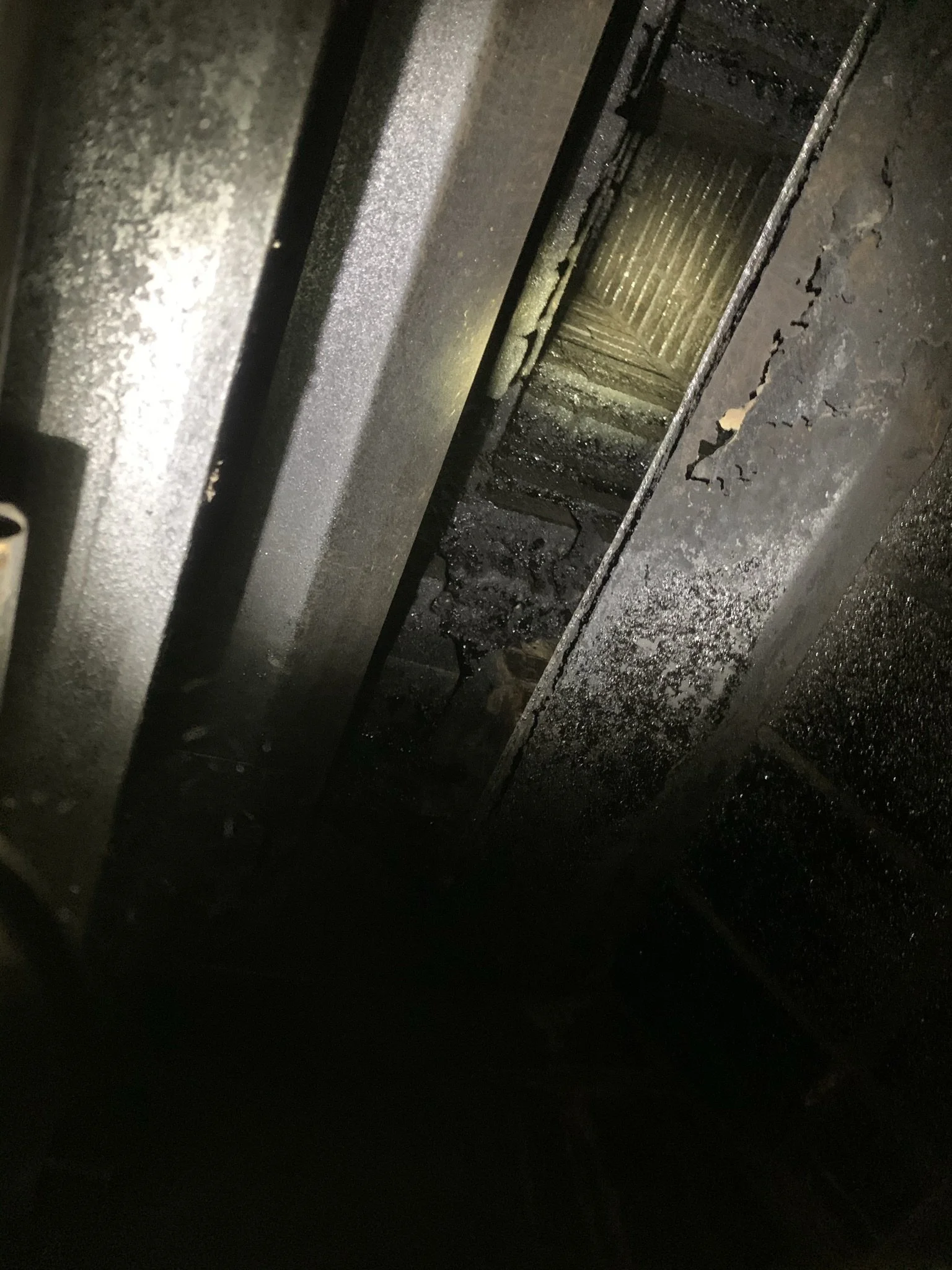
Unlined Chimney Interior & Chimney Deterioration
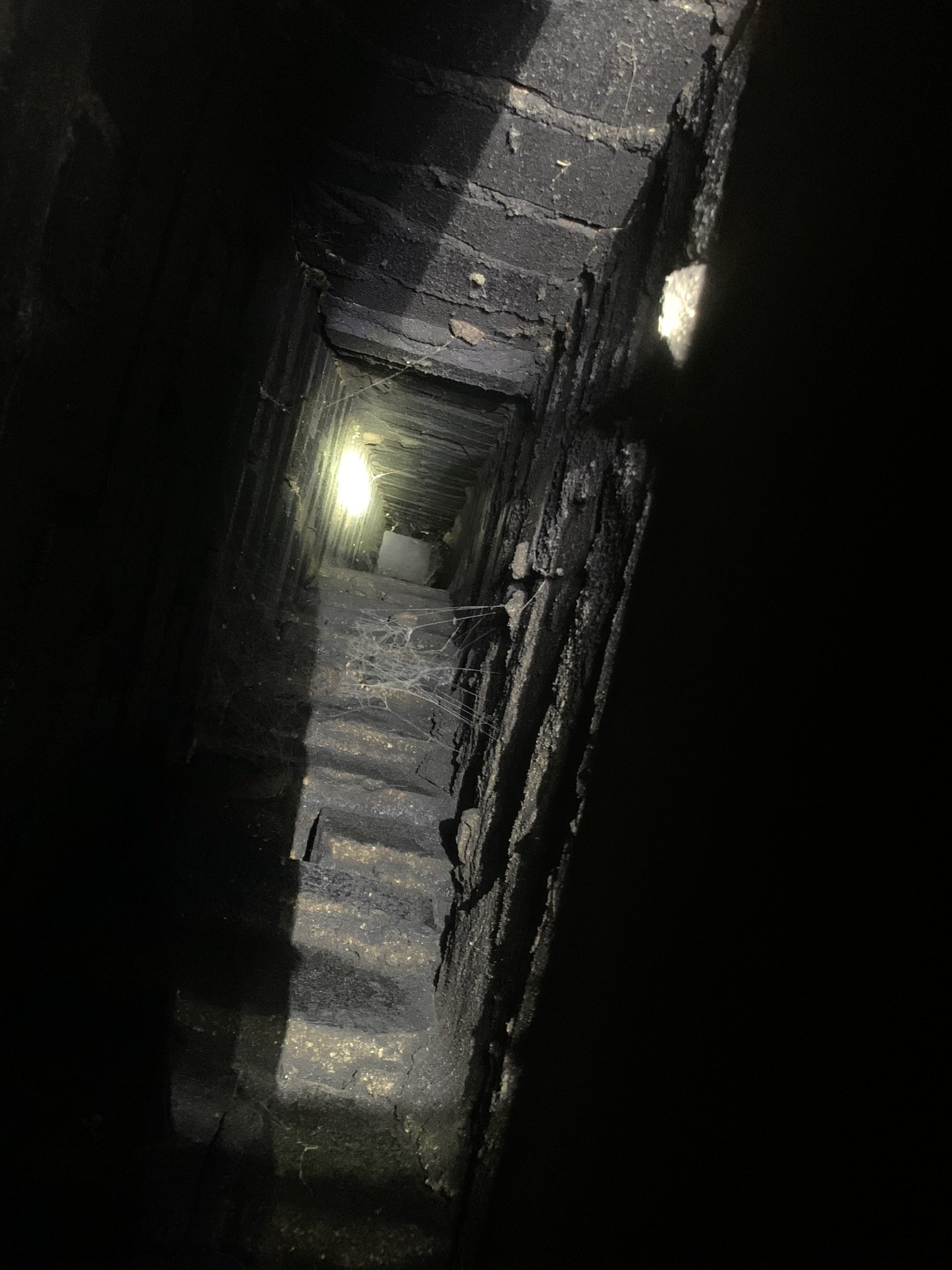
Chimneys play a vital role in ensuring the safe and efficient operation of fireplaces and heating appliances. However, not all chimneys are created equal, and some, particularly older ones, may be unlined. Unlined chimneys are essentially brick-and-mortar structures without any internal lining. Historically, many chimneys were constructed this way due to the lack of building codes or simply because linings were not deemed necessary at the time. While these unlined chimneys may have served their purpose in the past, they present several risks today.
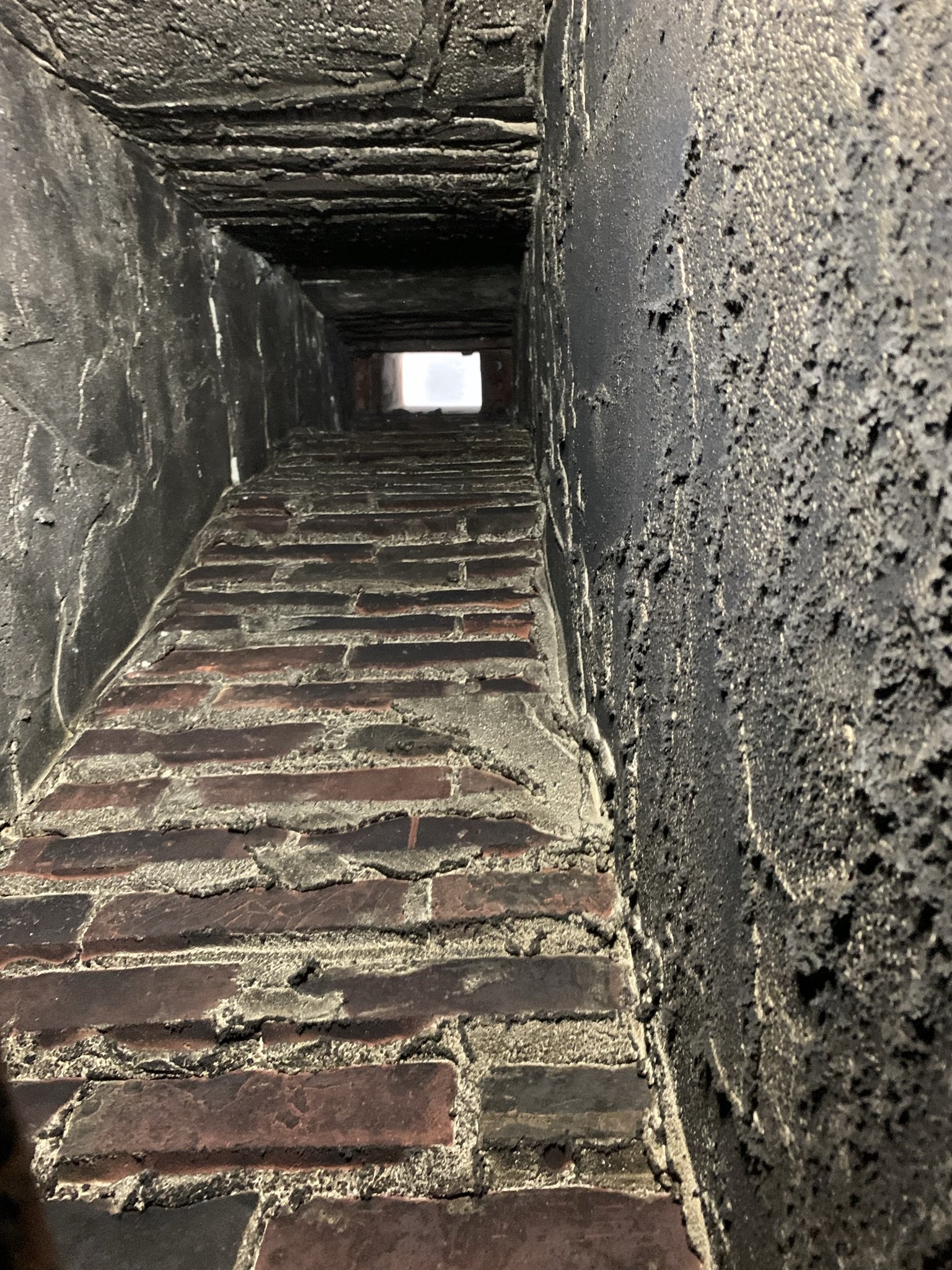
The Dangers of Unlined Chimneys
The absence of a lining in chimneys can lead to significant issues. Over time, the mortar between bricks can deteriorate due to the corrosive effects of smoke and moisture. This deterioration can result in gaps and cracks, allowing dangerous gases like carbon monoxide to seep into living spaces. Additionally, the buildup of creosote, a flammable byproduct of burning wood, can accumulate more rapidly on the rough masonry surfaces, increasing the risk of chimney fires.
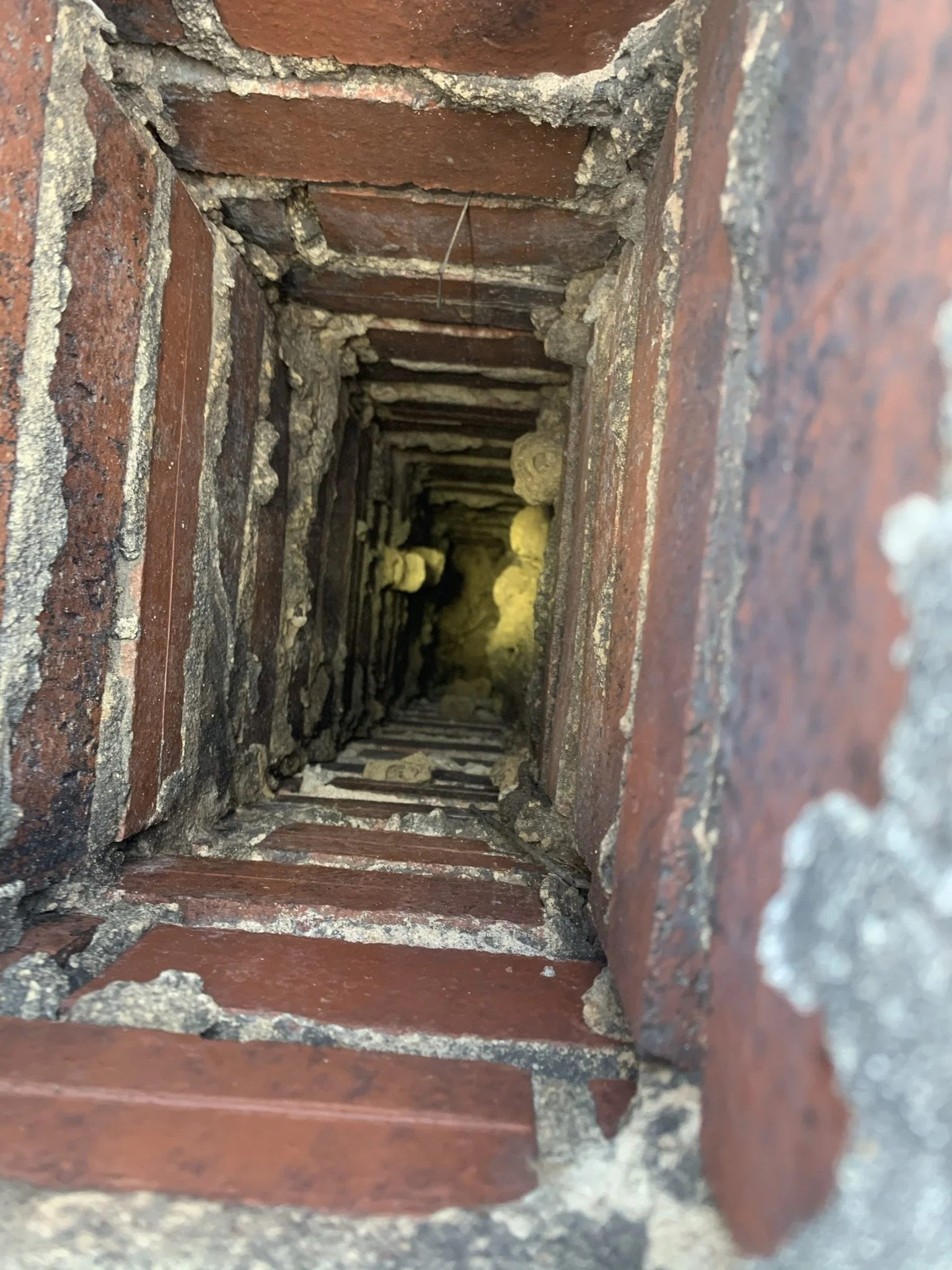
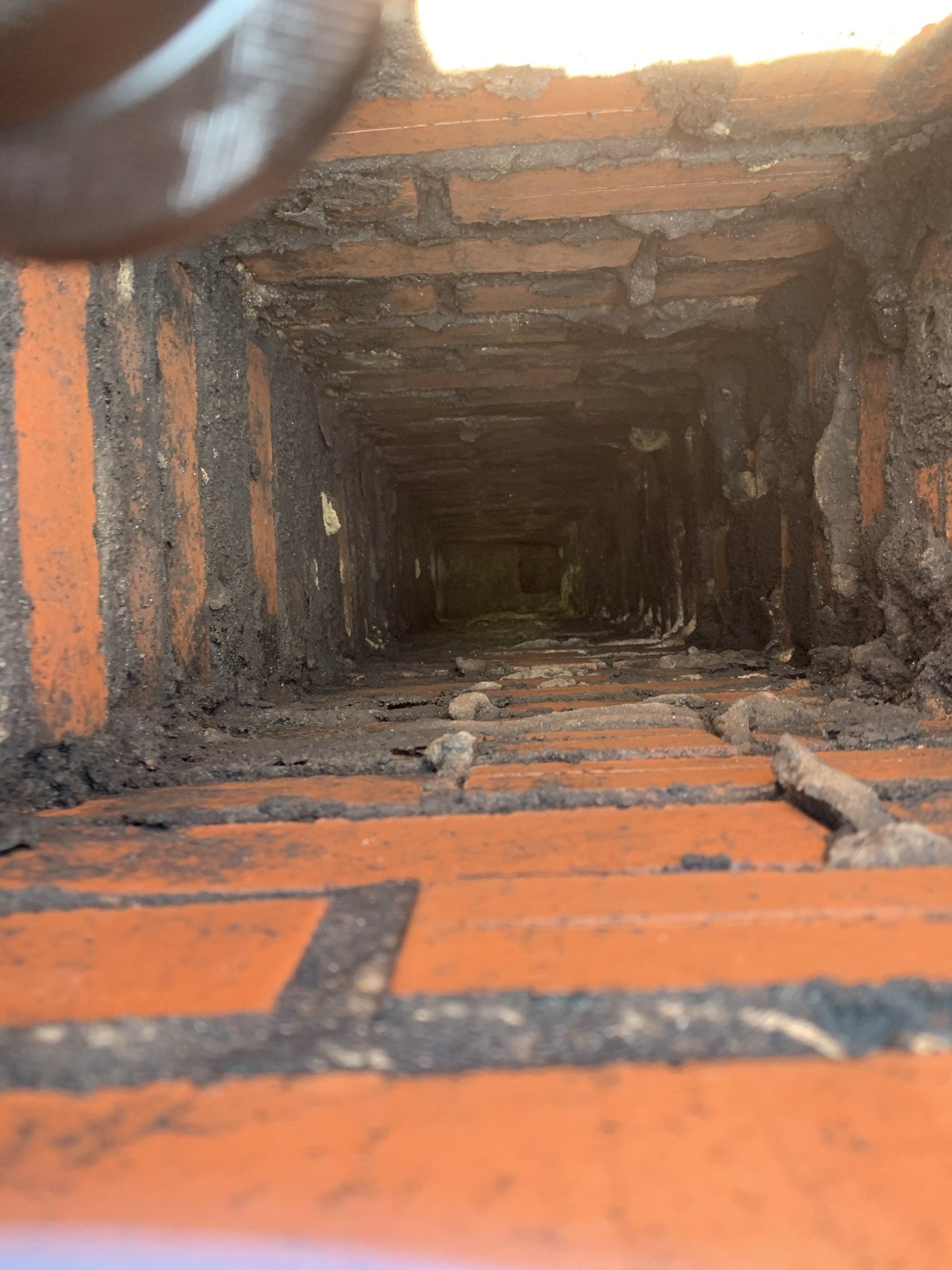
Correcting Unlined Chimney Systems
Fortunately, there are solutions to mitigate the dangers associated with unlined chimneys. Installing a chimney liner is a highly effective way to enhance safety and efficiency. Liners, which can be made from materials like stainless steel, clay, or ceramic, protect the chimney structure from corrosive byproducts and help contain heat and fire within the chimney. This not only improves the chimney's performance but also significantly reduces the risk of hazardous incidents.
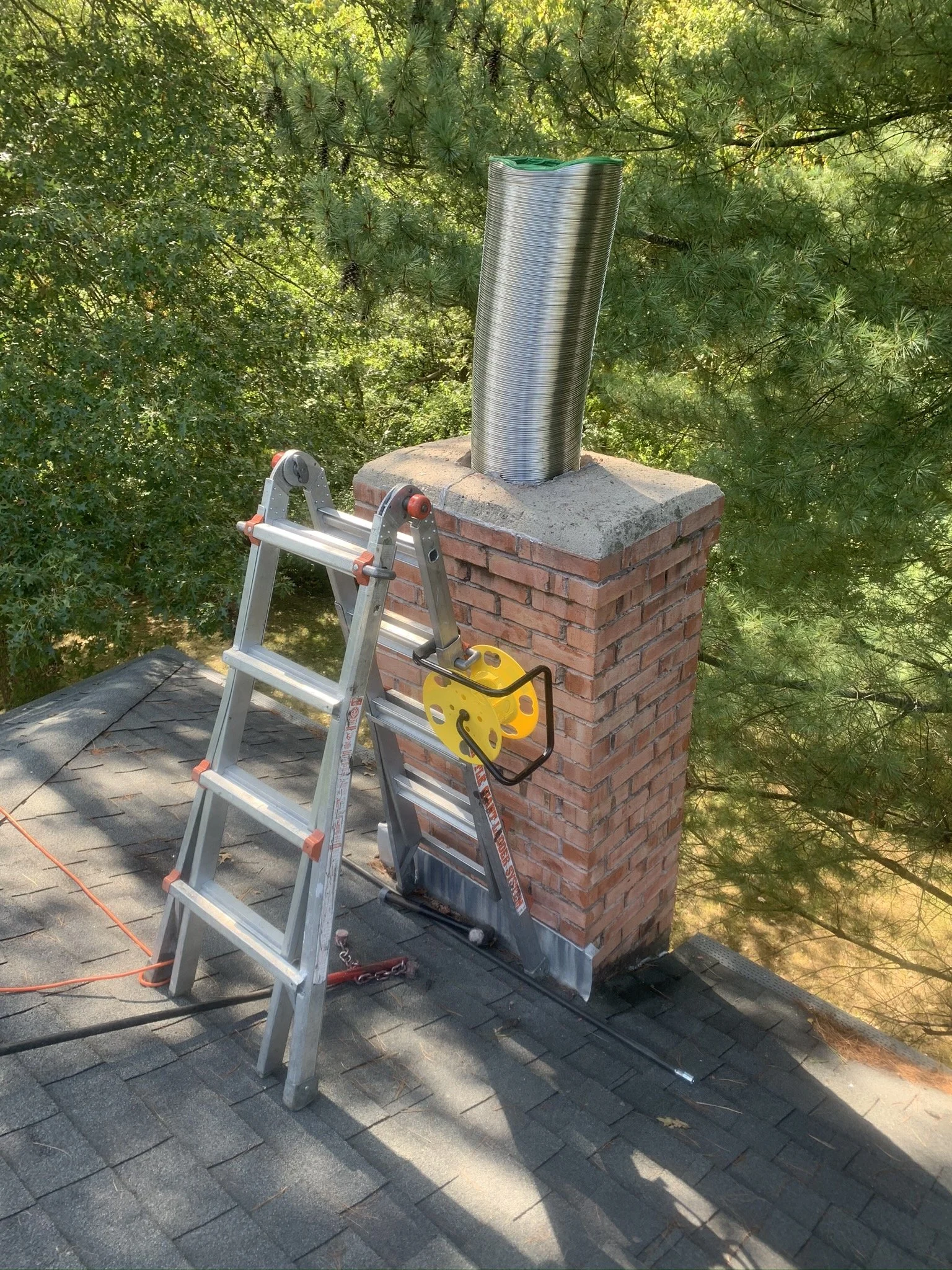
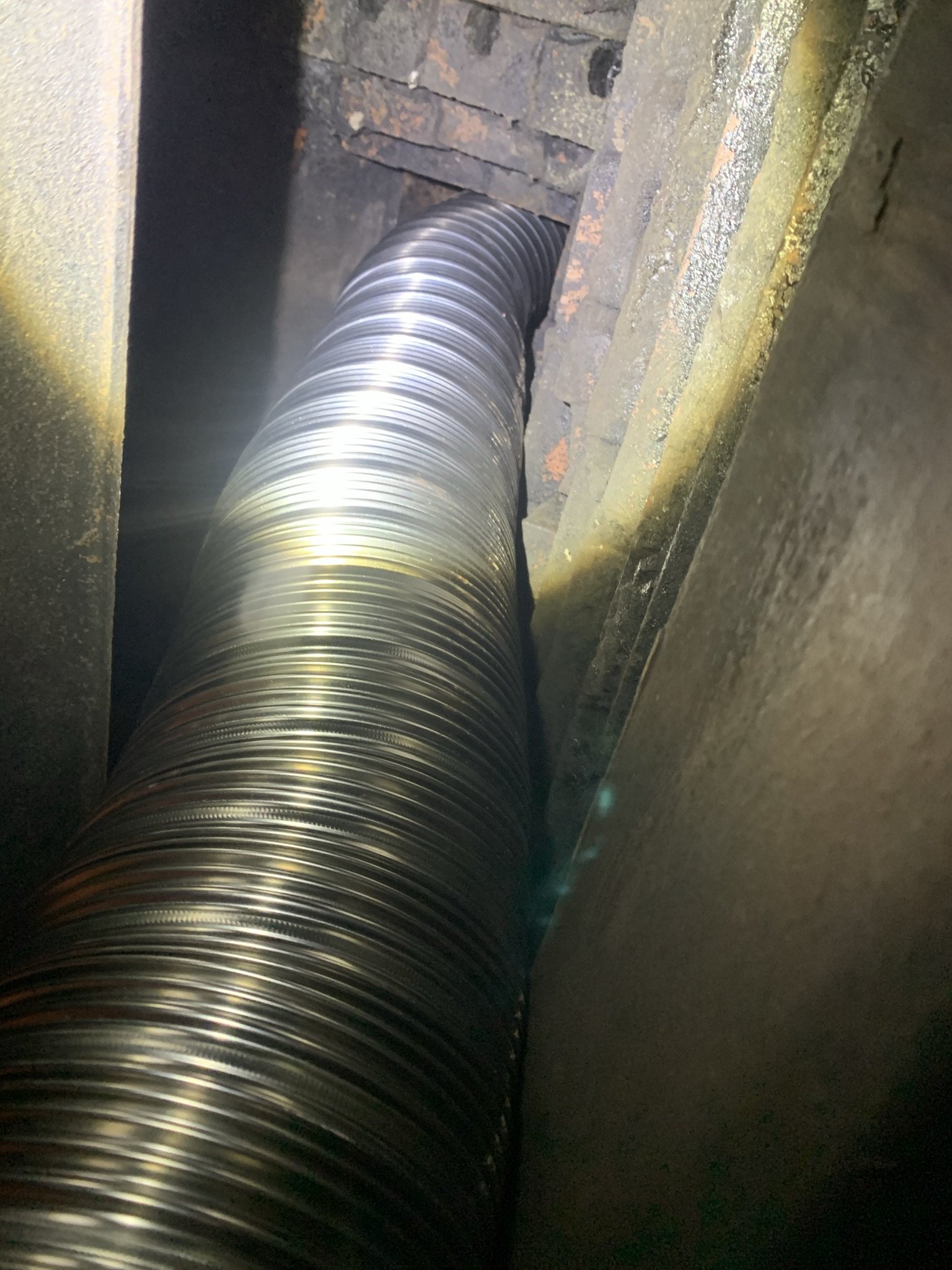
In conclusion, while unlined chimneys may still exist in older homes, they pose significant risks that should not be overlooked. By understanding the potential dangers and investing in modern solutions like chimney liners, homeowners can ensure their fireplaces remain safe and enjoyable for years to come. It’s always advisable to consult with a professional chimney service to assess and address any issues related to unlined chimneys, ensuring peace of mind and safety for your home and family.